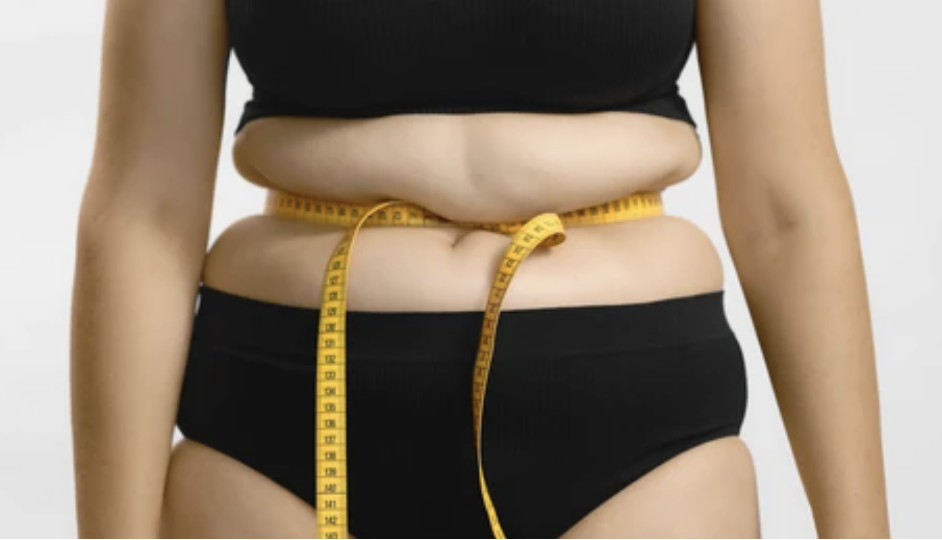
Not all body fat is created equal. While the fat sitting just beneath the skin is largely cosmetic, visceral fat is a different animal entirely. This is the fat stored deep within the abdominal cavity, wrapping around vital organs including the liver, pancreas and intestines and it has a direct line to some of the body’s most critical functions.
Unlike subcutaneous fat, visceral fat is metabolically active. It releases inflammatory compounds and hormones that can disrupt insulin signaling and interfere with the way the body processes cholesterol and blood sugar. The downstream effects are significant. Higher levels of visceral fat are strongly associated with an increased risk of type 2 diabetes, cardiovascular disease, fatty liver disease and higher overall mortality rates.
What makes it particularly difficult to manage is that it is not always visible. A person can carry dangerous levels of visceral fat without any obvious outward signs, which is part of why it tends to go unaddressed for so long.
Why alcohol tops the list of things to avoid
If there is one habit that dietitians consistently flag as a major contributor to visceral fat accumulation, it is alcohol particularly in heavy or frequent amounts. The reason goes deeper than simple calorie counting.
When alcohol enters the body, the liver treats it as a toxin and immediately prioritizes breaking it down over everything else. That means the normal metabolism of fats and carbohydrates gets pushed to the back of the line. While the liver is busy processing alcohol, the calories from both the drinks themselves and any food consumed alongside them are far more likely to end up stored as fat, especially around the organs.
This effect holds true regardless of a person’s overall body weight or body mass index. Research cited by dietitians points to a large population-based study finding that visceral fat was significantly higher in men and women who consumed larger amounts of alcohol, even when their general weight did not reflect it. Heavy drinkers in particular tend to accumulate more fat around their organs the kind most directly tied to inflammation, insulin resistance and elevated risk of heart disease and diabetes.
Over time, the damage compounds. Chronic alcohol use can lead to fatty liver disease, which further undermines the body’s ability to efficiently process both fat and alcohol, creating a cycle that becomes increasingly difficult to break.
Beer and spirits appear to be especially problematic, though dietitians are clear that excessive consumption of any form of alcohol can drive visceral fat storage.
3 strategies that can help reduce visceral fat
Cutting back on alcohol is a meaningful starting point, but it works best as part of a broader approach. Dietitians point to three additional strategies that can make a real difference.
The first is prioritizing protein. Meals built around lean protein sources such as poultry, fish, beans and Greek-style yogurt help maintain satiety and preserve muscle mass, both of which support fat loss. Pairing protein with healthy fats, fiber and complex carbohydrates creates a more balanced metabolic environment overall.
The second is consistent aerobic exercise. Activities that elevate the heart rate brisk walking, running, cycling or swimming have been shown to reduce abdominal fat stores over time. The key word is consistency. Aiming for at least 150 minutes of moderate aerobic activity per week gives the body enough of a stimulus to start drawing down on stored energy.
The third is quality sleep. This one is often underestimated. Inadequate sleep raises cortisol levels, the body’s primary stress hormone, which in turn encourages fat storage in the abdominal region. Getting seven to nine hours of restful sleep per night, supported by a consistent and calming nighttime routine, helps regulate those hormone levels and supports the body’s overall ability to manage weight.
The bigger picture on visceral fat
Losing visceral fat is not something that happens overnight, and it rarely comes down to a single change. What the research and dietitian consensus both point toward is the value of a sustained, holistic approach one that treats alcohol reduction not as a punishment but as one of the most direct levers available for improving metabolic health.
Small, steady adjustments in diet, movement, sleep and alcohol intake can collectively shift the body’s fat storage patterns in meaningful ways. The goal is not perfection but a gradual recalibration toward habits that protect long-term health from the inside out.