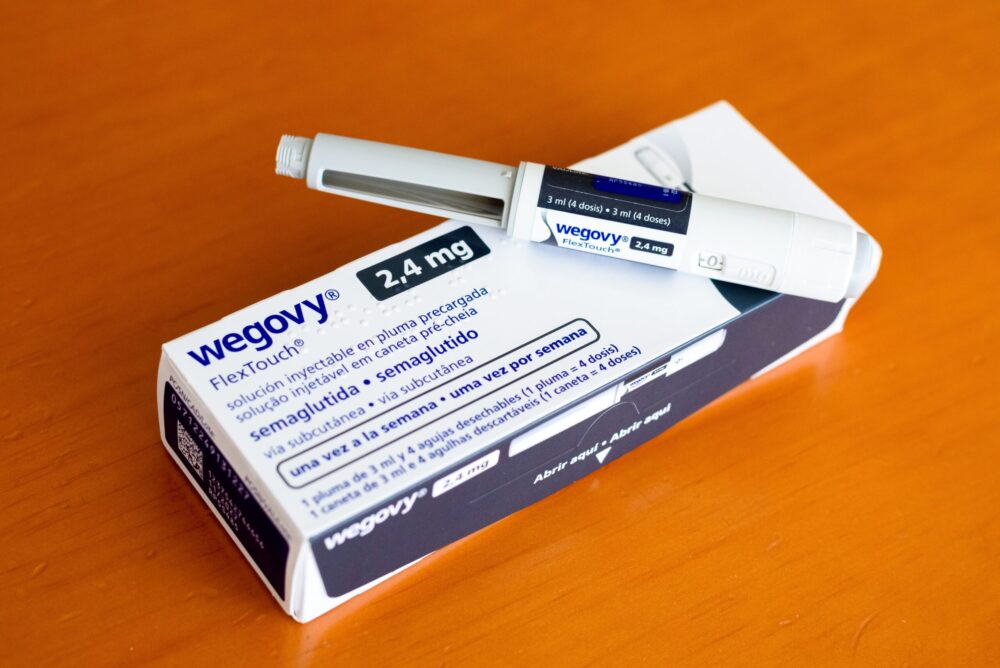
An estimated 1.6 million people in the United Kingdom are currently taking weight-loss drugs, and the numbers continue to grow. While some access these treatments through the National Health Service, the majority purchase them privately. The two most widely used options are Mounjaro and Wegovy injectable medications that have changed the conversation around obesity treatment. Here is everything you need to know about how they work, who qualifies and what the risks look like.
How the injections work in the body
Both drugs belong to a class of medications that mimic a naturally occurring hormone called GLP-1, which signals to the brain that the body is full, effectively reducing appetite. Wegovy contains semaglutide, while Mounjaro contains tirzepatide, which goes a step further by also influencing metabolism and helping regulate the body’s overall energy balance.
Both medications are administered once a week through a pre-filled injectable pen that patients can use themselves. The pen is applied to the upper arm, the thigh or the abdomen. Treatment typically begins at a low dose, which is gradually increased until a maintenance level is reached. A third injectable option, liraglutide sold under the brand name Saxenda is also available through the NHS, though it is less commonly discussed.
Experts note that results can vary from person to person, with factors such as genetics playing a role in how well individuals respond. Regardless of which drug is prescribed, the NHS requires that its use be paired with a structured programme of healthier eating and regular physical activity.
How much weight people lose and what happens when they stop
The first direct head-to-head clinical trial comparing the two drugs found that Mounjaro produced greater weight loss. Participants in that study, which involved 750 people with obesity and an average weight of around 113 kilograms, lost an average of 20% of their body weight after 72 weeks on Mounjaro, compared with 14% for those on Wegovy. The trial was funded by Eli Lilly, the manufacturer of Mounjaro.
However, stopping the medication is where many patients encounter a difficult reality. Research published in the British Medical Journal found that people who stopped taking weight-loss injections regained their lost weight four times faster than those who discontinued a conventional diet and exercise programme. Once the drug is no longer in the system, normal food cravings return and weight tends to follow. Health experts have called on the NHS to put regular check-ins, ongoing support and nutritional guidance in place to help users maintain their progress after discontinuing.
Who qualifies for the drugs through the NHS
Wegovy is currently available through the NHS in England, Wales and Scotland. To be eligible, adults must have a BMI of at least 35 and at least one obesity related health condition, such as high blood pressure. People with cardiovascular disease who are overweight but do not meet the full obesity threshold may also qualify. Prescriptions are capped at two years.
Mounjaro has been accessible through specialist NHS weight-loss clinics in England and Wales since March 2025. As of June 2025, some general practitioners in England began offering it to patients who meet stricter criteria: a BMI of 40 or above or 37.5 for patients from certain minority ethnic backgrounds along with at least four of five specific conditions, which include type 2 diabetes, high blood pressure, heart and vascular disease, high cholesterol and obstructive sleep apnea. As of April 2026, GPs in England are being incentivised to prescribe Mounjaro more broadly. It is estimated that around 3.4 million people could eventually qualify, though the National Institute for Health and Care Excellence has cautioned that full rollout could take more than a decade.
The cost of buying privately
For those who do not qualify through the NHS or choose not to wait, both drugs are available privately at supermarkets, pharmacies and high-street clinics. Estimates suggest that nine out of 10 users currently pay out of pocket. Pricing for the injectable pens typically ranges between £100 and £300 depending on the dosage. Regulators have warned against purchasing from unverified sources, and since February 2025, online pharmacies have been required to carry out stricter identity and health checks before dispensing the drugs.
Side effects and safety warnings
The most common side effects include nausea, vomiting, bloating, constipation and diarrhea. For many users these symptoms ease over time, but they are significant enough that some people stop treatment altogether. In rare cases, more serious complications can include gallbladder problems, kidney issues and depression. There have also been hundreds of reported cases of pancreatic problems among users, though none have been officially confirmed as being directly caused by the medications.
Women are advised not to take either drug during pregnancy, while trying to conceive or while breastfeeding. Both drugs may also interfere with how the contraceptive pill is absorbed, meaning additional or alternative contraception may be necessary while on treatment.