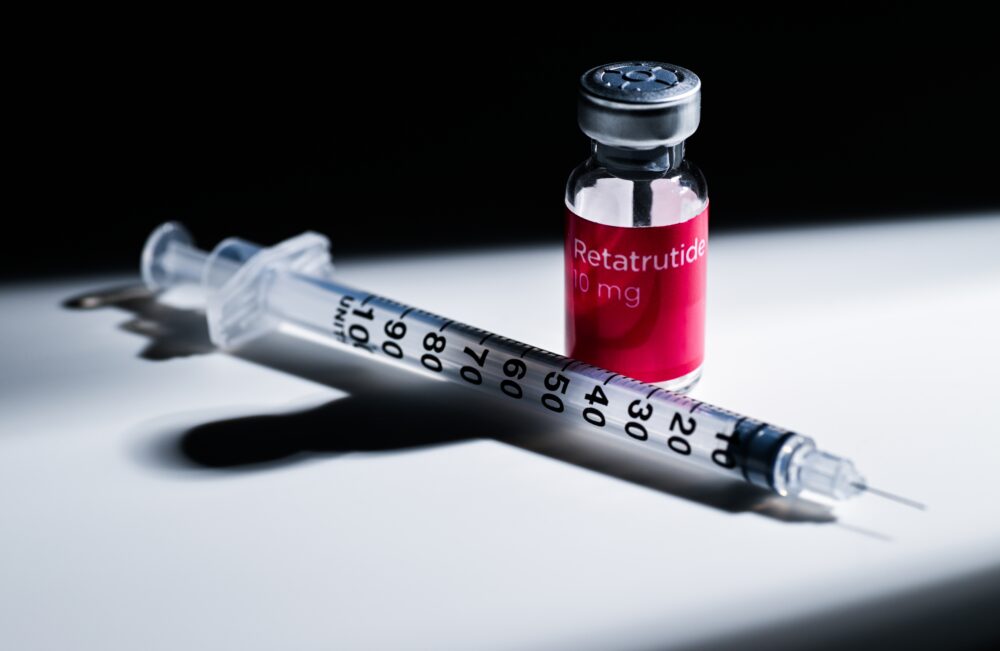
Retatrutide still experimental and not yet approved by the U.S. Food and Drug Administration, the medication is already reshaping the way researchers think about weight loss medicine. Here is what experts currently know about it. Now, a newer drug is quietly generating some of the most significant buzz in clinical research.
By now, most people are familiar with Ozempic. Originally developed to treat type 2 diabetes, the medication quickly gained widespread attention for its powerful effect on appetite and weight loss. But Ozempic is far from the only player in this space. Wegovy and Saxenda are also approved for weight management, and newer medications like tirzepatide sold under the brand names Mounjaro and Zepbound work through related hormonal pathways to similar effect.
What retatrutide is and who is developing it
Retatrutide is an injectable weight loss drug being developed by Eli Lilly, the same pharmaceutical company behind Mounjaro and Zepbound. It is classified as a triple-agonist medication, meaning it targets three separate metabolic hormone receptors involved in appetite control and energy regulation simultaneously a meaningful distinction from anything currently on the market.
The drug has already moved through early and mid-stage clinical trials and is now being evaluated in large Phase 3 studies, which represent the final stage of testing before a drug can be submitted for regulatory approval. Interest in retatrutide accelerated sharply after a 2023 clinical trial reported substantial weight loss results in adults with obesity.
Beyond weight loss itself, researchers are also examining the drug’s broader effects on metabolic health, including its potential impact on blood sugar levels, cholesterol and cardiovascular risk markers conditions that frequently accompany obesity.
How it works differently than Ozempic and Mounjaro
To understand what makes retatrutide distinct, it helps to start with how current medications function. Ozempic and Wegovy both contain semaglutide, a compound that mimics a hormone called glucagon-like peptide-1, or GLP-1. That hormone is released after eating and works by regulating blood sugar, slowing digestion and signaling to the brain that the body is full. The result is reduced hunger and, over time, fewer calories consumed.
Mounjaro and Zepbound go one step further by targeting two receptors rather than one GLP-1 and glucose-dependent insulinotropic polypeptide, known as GIP. That dual approach improves blood sugar control while also reducing appetite and may produce less nausea than single-receptor medications.
Retatrutide activates all three: GLP-1, GIP and a third receptor tied to glucagon, a hormone that influences how the body processes and burns energy. The first two receptors help suppress appetite and slow digestion so users feel full on smaller meals. The glucagon component adds another dimension by encouraging the body to burn more calories even after eating.
In practical terms, that triple-action mechanism may address both sides of the weight management equation at once reducing how much a person wants to eat while simultaneously prompting the body to use more energy. Early clinical data suggests that people taking retatrutide may experience greater overall weight loss than what has been observed with earlier GLP-1 medications, along with improvements in metabolic markers and better preservation of lean muscle mass.
That said, experts are quick to note that the drug is still under investigation, and its long-term safety and side-effect profile have not yet been fully established.
Why medication alone is never the complete answer
Even as drugs like retatrutide advance toward potential approval, experts are consistent in their message: no medication is a standalone solution. Physical activity remains one of the most important factors in lasting weight management, and resistance training in particular helps preserve muscle mass that is often lost during weight loss whether medication-assisted or not. Muscle tissue plays a direct role in metabolism, and losing it can slow the body’s ability to burn calories at rest, making it easier to regain lost weight.
Nutrition matters just as much. Prioritizing protein, whole grains, legumes, fruits, vegetables and healthy fats gives the body the nutrients it needs to function well and maintain lean mass. Sleep and stress management also have a measurable impact: chronic sleep deprivation can disrupt appetite-regulating hormones, while elevated stress levels may increase cravings and promote fat storage.
Retatrutide may represent a meaningful leap forward in medical weight loss but lasting results, experts agree, still depend on the full picture.