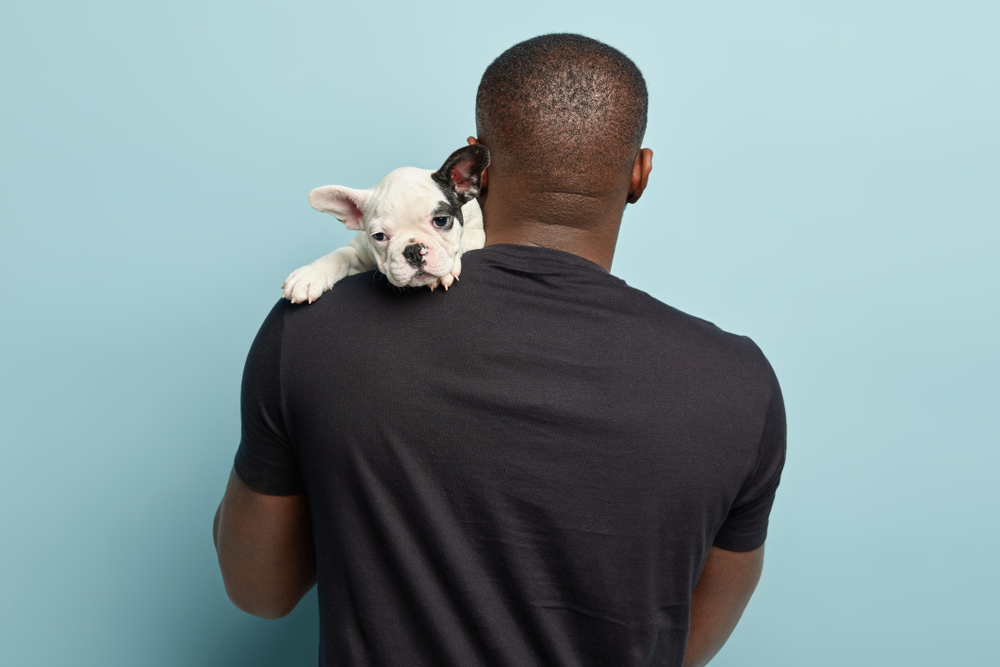
These overlooked signs reveal when your furry companion needs your help.
Dogs do not speak in words — but they never stop communicating. The problem is that most pet owners are too busy, too distracted, or simply untrained to catch what their dog is actually saying. Stress in dogs is more common than most people realize, and the signs are easy to miss if you do not know what to look for.
Here is the part that hits differently — your dog may be picking up on your energy, too. Research in animal behavior has consistently shown that dogs are emotional mirrors. When tension fills a home, dogs feel it. When their humans are overwhelmed, dogs carry that weight silently, often expressing it through behaviors that get mistaken for disobedience or quirks.
Understanding your dog’s stress is not just about your pet. It is about the health of your entire household.
Warning Signs Most Pet Owners Overlook
Before assuming your furry friend is simply acting out, consider that the behavior might be a quiet cry for help. These are the most commonly missed stress signals to watch for:
- Excessive yawning or lip licking — Not always a sign of hunger or tiredness. When repeated in non-sleepy situations, these are classic calming signals a pet uses to self-soothe.
- Whale eye — When the whites of the eyes show while the head turns slightly away, it signals discomfort or anxiety.
- Tucked tail and lowered body posture — Often misread as shyness, this is one of the clearest physical indicators of a pet feeling unsafe or overwhelmed.
- Sudden loss of appetite — Refusing food in a familiar environment may point to emotional unease rather than physical illness.
- Destructive behavior — Chewing furniture, scratching doors, or tearing objects apart is frequently a stress response, not a discipline problem.
- Excessive shedding — Pets can shed significantly more during tense situations, including loud environments or household conflict.
- Pacing or inability to settle — A companion that cannot find a comfortable spot or keeps circling may be experiencing anxiety rather than simple restlessness.
How Your Energy Directly Affects Your Dog
Pets are wired to read their humans. Studies have found that a dog can synchronize stress hormones with their owner — meaning a household running on high anxiety raises an anxious pet, regardless of how well the animal is otherwise cared for.
This is not about blame. It is about awareness. If your companion has been showing unusual behavior lately, it may be worth asking an honest question — how have you been feeling?
Pets respond to:
- Raised voices or frequent arguments in the home
- Irregular routines and unpredictable schedules
- Owner absence or sudden lifestyle changes
- Physical tension they sense through touch and body language
What French Bulldogs and Sensitive Breeds Feel Most
Not all pets process stress the same way. Breeds like the French Bulldog, known for their deeply affectionate and people-dependent nature, are especially vulnerable to emotional shifts in their environment. Their attachment to their owners makes them highly sensitive — which is part of what makes them such incredible companions, and also what makes them more susceptible to anxiety.
If you share your home with a Frenchie or a similarly bonded breed, the emotional temperature of your household matters more than you might think.
Simple Ways to Help Your Dog Feel Safe Again
The good news is that pets are resilient. With the right adjustments, most stress-related behaviors improve significantly. Start here:
- Establish a consistent daily routine — Feeding, walking, and sleeping at the same time each day gives your companion a sense of security.
- Create a safe space — A designated quiet area with familiar scents and a comfortable bed can serve as a retreat when the world feels like too much.
- Increase physical activity — Regular walks and play sessions release tension for both pets and their owners.
- Practice calm energy — Companions take cues from posture, breathing, and tone of voice. Slowing down and speaking softly can shift the mood in minutes.
- Consult a veterinarian — If stress behaviors persist or worsen, a vet can rule out underlying health issues and recommend behavioral support or, when necessary, medication.
Your dog has been showing up for you every single day. The least you can do is learn to show up for them.