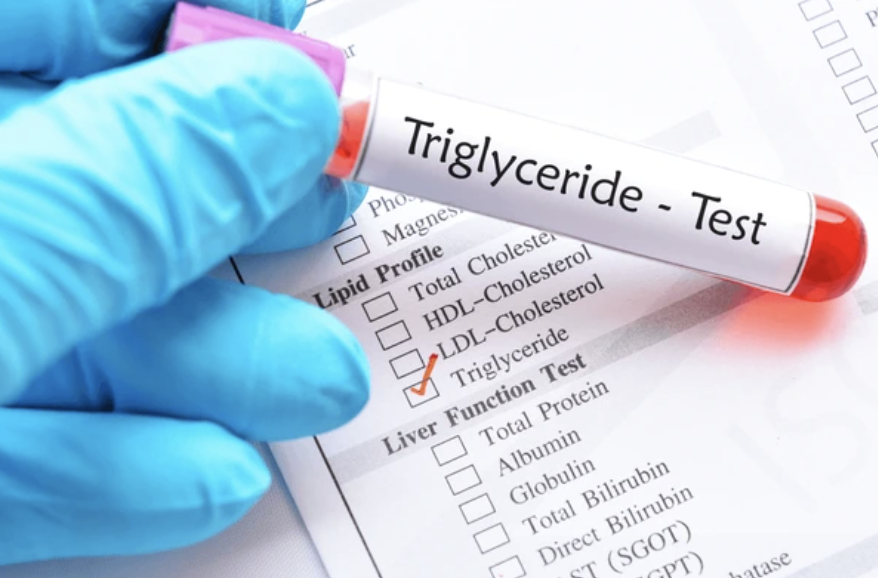
Triglycerides are a type of fat found in the blood, and while most people associate elevated levels with heart disease, there is another serious consequence that receives far less attention. When triglyceride levels climb high enough, they can set off a dangerous chain reaction inside the body that leads to acute pancreatitis, a painful and potentially life-threatening inflammation of the pancreas. For millions of people living with unmanaged lipid levels, that risk is far closer than they realize.
The pancreas plays two important roles in the body. It helps break down dietary fats through its exocrine function and regulates blood sugar levels through its endocrine function. Both roles depend on the organ remaining healthy and free from inflammation. When triglyceride levels become severely elevated, a condition known as hypertriglyceridemia, the body can convert those fats into substances that damage pancreatic tissue directly. Researchers believe this happens when triglyceride-carrying particles in the bloodstream interact with an enzyme in the small blood vessels of the pancreas, producing free fatty acids and other compounds that are directly toxic to pancreatic cells. The result can be sudden, severe, and extremely difficult to manage without medical intervention.
How triglycerides levels determine pancreatitis risk
Not all elevated triglyceride levels carry the same degree of danger. Levels between 150 and 199 milligrams per deciliter are considered mildly elevated, while levels between 200 and 499 fall into the high range. Once levels reach 500 milligrams per deciliter or above, they are classified as very high, and the risk of acute pancreatitis increases substantially.
The numbers become even more alarming at greater extremes. At 1,000 milligrams per deciliter or higher, roughly 10 percent of cases result in acute pancreatitis. At 2,000 milligrams per deciliter or above, that figure rises to around 20 percent. Hypertriglyceridemia is currently the third leading cause of acute pancreatitis overall, responsible for an estimated 5 to 25 percent of all cases.
Recognizing the symptoms of a triglycerides-related crisis
Acute pancreatitis typically presents as severe pain in the upper abdomen that can radiate to the back. The pain often intensifies with movement, coughing, or deep breathing, while leaning forward or sitting upright may provide some relief. Nausea, vomiting, low blood pressure, lightheadedness when standing, and fever are also common symptoms.
Anyone experiencing these signs should seek medical attention promptly. Pancreatitis caused by very high triglycerides almost always requires hospitalization. Treatment involves managing the acute inflammation, restricting food intake to rapidly reduce triglyceride levels, providing intravenous fluids, and addressing any related metabolic conditions such as diabetes. In some cases, medications including fibrates, omega-3 fatty acids, niacin, or statins are used to bring triglyceride levels down more aggressively.
Reducing the risk through lifestyle and triglycerides management
The encouraging news is that the risk of pancreatitis from high triglycerides is largely manageable with the right approach. Alcohol is a significant contributor to acute pancreatitis on its own, responsible for between 17 and 25 percent of all cases, and when combined with very high triglycerides, the risk compounds dramatically. Eliminating or significantly reducing alcohol intake is one of the most impactful steps a person can take toward protecting their pancreas.
Smoking also increases the risk of both acute and recurring pancreatitis and should be avoided entirely where possible. A diet low in simple carbohydrates and saturated fats, combined with smaller and more frequent meals, helps keep triglyceride levels stable and reduces ongoing strain on the pancreas. Regular physical activity further supports healthy lipid levels and improves overall metabolic function over time.
For people who have previously experienced gallstones, surgical removal of the gallbladder may be recommended to prevent future complications. Those with a family history of pancreatitis or genetic conditions such as cystic fibrosis face a higher baseline risk and may benefit from closer monitoring and more proactive management of their lipid levels.
Managing triglyceride levels is not just about protecting the heart. It is about protecting the entire body from cascading consequences that can unfold quickly and without much warning. Working closely with a healthcare provider to monitor levels, adjust diet, and explore medication options when necessary gives people the best possible chance of staying ahead of a condition that, once it strikes, demands urgent and intensive care.