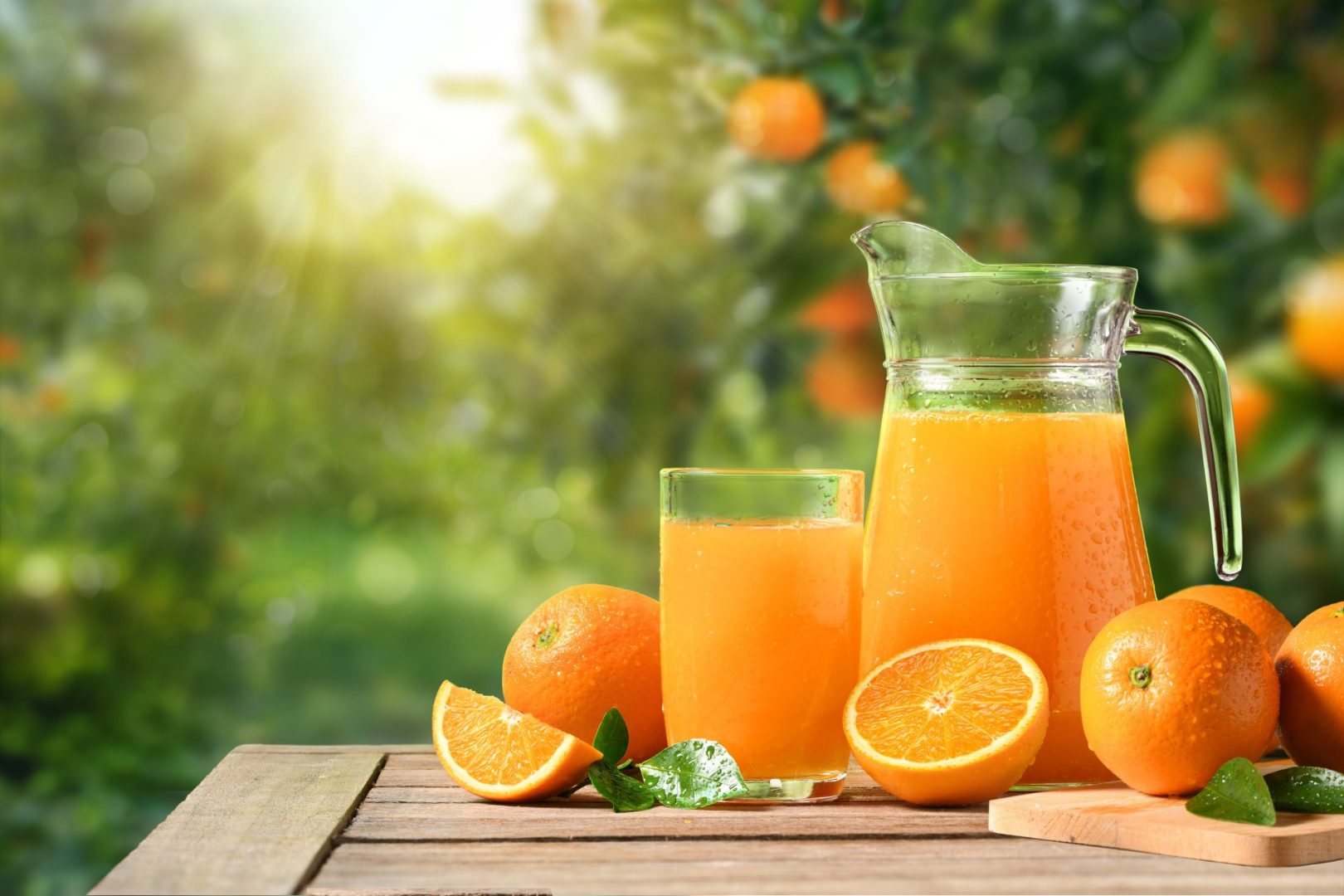
For millions of Americans, a cold glass of orange juice is as essential to the morning routine as a cup of coffee. It sits comfortably at the top of the country’s most popular juice varieties, and for good reason. But as sugar-laden drinks continue to face growing scrutiny from nutrition researchers and health advocates alike, orange juice has found itself in an uncomfortable spotlight. Is it truly a health hero or just a sugary drink dressed in vitamin C clothing?
The answer, as with most things in nutrition, is nuanced.
What orange juice actually gives your body
Orange juice is genuinely rich in nutrients that the body needs. A single eight-ounce serving delivers more than the full daily recommended intake of vitamin C for adults. Beyond that flagship nutrient, it also contains meaningful amounts of potassium, magnesium, folate, vitamin B6, and a range of beneficial plant compounds known as phytonutrients. Store-bought versions are often fortified with calcium and vitamin D, two nutrients that are notoriously difficult to get in adequate amounts through diet alone.
These micronutrients do not work in isolation. Together, they support several interconnected body systems, and collectively help reduce systemic inflammation, which is increasingly recognized as a root driver of chronic disease.
Orange juice and your heart, skin and brain
The vitamin C and plant compounds in orange juice pull double duty as both immune and heart health supporters. Potassium and magnesium contribute to healthy heart rhythms and help regulate blood pressure, making OJ a surprisingly cardiac-friendly beverage when consumed appropriately.
Skin health also gets a quiet boost. Vitamin C plays a direct role in collagen production by converting specific amino acids into the building blocks the body needs to maintain skin structure and elasticity. This is the same mechanism responsible for reducing the visible signs of aging over time.
Brain function rounds out the picture. Research has linked regular orange juice consumption to improved cognitive performance in middle-aged adults, an effect attributed largely to its high flavonoid content. Vitamin C also supports neurotransmitter production, giving the brain the chemical signals it needs to function at its best.
Fresh squeezed vs. store-bought orange juice
The ongoing debate between fresh squeezed and store-bought OJ comes down to trade-offs rather than a clear winner. Pasteurized store-bought juice is safer, longer-lasting, and can be fortified with additional nutrients. It also comes in a range of varieties, including low-acid and reduced-sugar options, offering flexibility for different dietary needs.
Fresh squeezed juice, on the other hand, contains no additives or preservatives and retains a naturally higher nutrient density, since micronutrients in produce begin degrading shortly after harvest and continue to break down through industrial processing. The downside is that fresh juice also comes loaded with pulp unless strained, and it carries a higher risk of foodborne exposure without pasteurization.
The real drawbacks worth knowing
Where orange juice stumbles is in its fiber content and calorie load. A whole orange contains roughly 4.5 grams of fiber. A cup of orange juice contains just 0.5 grams. That difference matters more than most people realize. Fiber slows digestion, softens blood sugar spikes, and keeps hunger at bay. Without it, orange juice can cause rapid rises in blood sugar followed by energy crashes, particularly when consumed in large amounts.
At 110 calories and 21 grams of naturally occurring sugar per eight ounces, portions matter enormously. Add refined sugar on top of that, as many store-bought brands do, and the anti-inflammatory benefits of the juice are quickly undermined by the pro-inflammatory effects of added sweeteners.
How to drink orange juice the smart way
The smartest approach is a simple one. Keep servings to eight ounces or less for adults and four to six ounces for children, ideally no more than once daily. Diluting OJ with still or sparkling water is an easy way to stretch the serving without sacrificing flavor.
When buying from the store, look for 100 percent orange juice with no added sugar and choose varieties fortified with calcium and vitamin D. And beyond the glass, orange juice works beautifully as an ingredient in marinades, salad dressings, smoothies, and baked goods, giving you the nutritional benefits in smaller, more controlled amounts.