The breakfast aisle can feel like a surprisingly complicated place when you are trying to make a choice that supports your health. Oatmeal and granola both originate from the same whole grain, yet they behave very differently once they reach your plate and more importantly, once they reach your bloodstream.
Keeping blood sugar steady matters for everyone, not just people managing diabetes. Stable glucose levels help prevent that familiar mid-morning energy crash, support a more balanced mood, and provide consistent fuel for both the brain and the muscles throughout the day. So when it comes to these two popular breakfast options, which one actually does a better job of keeping levels in check?
The short answer is that oatmeal has the advantage but the full story is more nuanced than a simple winner-takes-all verdict.
How oatmeal affects blood sugar
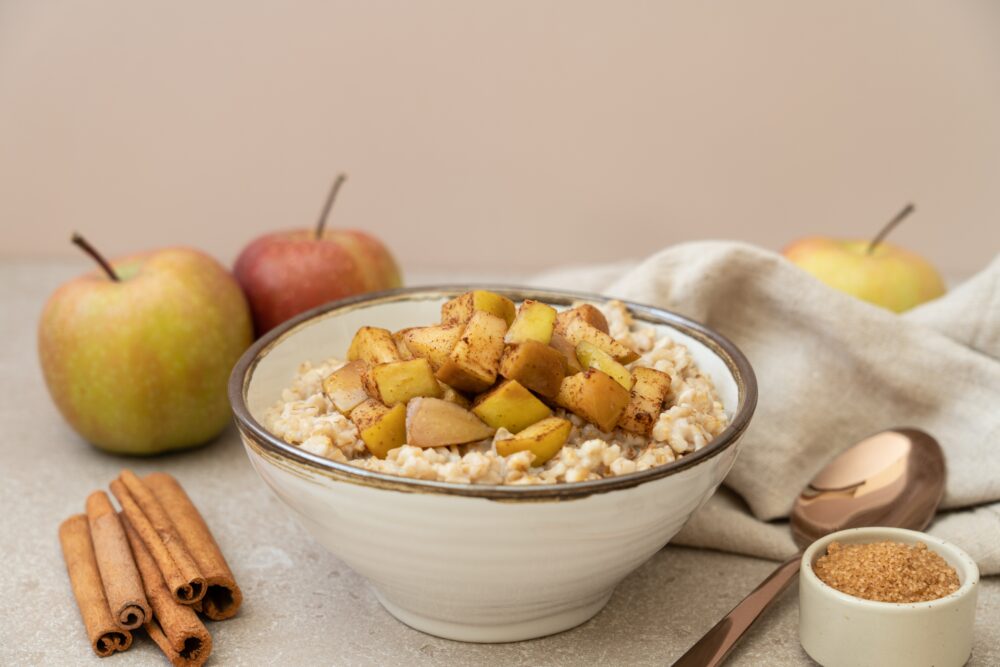
Plain oatmeal, particularly steel-cut or rolled varieties, is widely regarded by dietitians and diabetes educators as one of the more reliable breakfast choices for blood sugar management. Unlike many processed morning options, it is minimally altered from its natural state, which means its nutritional profile remains largely intact.
The key ingredient responsible for oatmeal’s blood sugar benefits is a specific type of soluble fiber called beta-glucan. When digested, beta-glucan forms a gel-like substance in the gut that slows the absorption of carbohydrates, allowing glucose to enter the bloodstream gradually rather than in a sudden surge. The result is a steadier rise and fall in blood sugar compared to many other carbohydrate-rich breakfast foods.
Oatmeal also contains several micronutrients that directly support metabolic health. Magnesium, for instance, plays a meaningful role in insulin sensitivity and glucose metabolism. Zinc is involved in insulin production, and manganese supports the way the body processes carbohydrates. Many packaged oatmeals especially instant varieties are also fortified with iron and folic acid, adding further nutritional value to what is already a well-rounded food.
How granola affects blood sugar
Granola starts with the same oats, which means it carries some of the same beneficial nutrients including beta-glucan, magnesium, and zinc. The problem is what happens during production. To achieve its characteristic clusters and crunch, oats are typically baked with oils and sweeteners, and that process introduces variables that can work against blood sugar stability.
Many commercial granola brands rely heavily on honey, maple syrup, or cane sugar to bind and flavor the mixture. For people trying to keep glucose levels steady, that added sugar load can be a real obstacle. The calorie density of granola is also considerably higher than plain oatmeal, making portion control more challenging.
That said, granola is not inherently problematic. When made with whole oats, nuts, and seeds and kept low in added sugars, it can still offer meaningful fiber, healthy fats, and some protein a combination that slows digestion and supports a more gradual blood sugar response. The difference between a blood sugar friendly granola and one that causes a spike often comes down entirely to the ingredient list on the label.
Which one should you choose?
Looking at base ingredients alone, plain oatmeal is the more consistently reliable option for blood sugar management. Its lower energy density and absence of added sugars give it a clear edge. But reducing either food to simply good or bad overlooks the bigger picture of how meals actually work in practice.
Context matters significantly here. A plain bowl of oatmeal eaten without any protein or fat may produce a faster glucose rise than a small portion of low-sugar granola paired with Greek-style yogurt and a handful of nuts. What you eat alongside either option can be just as influential as the food itself. Registered dietitians consistently emphasize that both oatmeal and granola can support stable blood sugar when they are free of added sugars and combined with adequate protein and healthy fats.
Smart ways to enjoy both
Regardless of which you prefer, the most effective strategy for blood sugar management is building a complete bowl rather than relying on a single ingredient. With oatmeal, stir in nut butter, a scoop of protein powder, or a handful of walnuts. Swapping water for dairy milk adds a natural protein boost as well.
With granola, treat it as a topping rather than the main event. A quarter-cup sprinkled over cottage cheese or plain yogurt delivers satisfying texture and flavor without an overwhelming carbohydrate load. Keeping portions measured is especially important with granola, since its calorie density makes it easy to pour more than intended.
Seasonality can also help keep breakfast from feeling repetitive. A warm bowl of oatmeal is a particularly comforting choice in cooler months, while granola paired with yogurt, berries, and seeds translates naturally into a refreshing warm-weather meal.
Ultimately, the better breakfast is the one made with quality ingredients, eaten in a sensible portion, and paired thoughtfully with protein and fat and that principle applies equally to both.