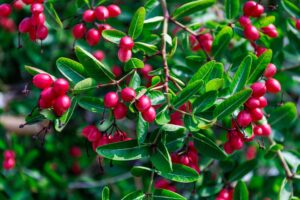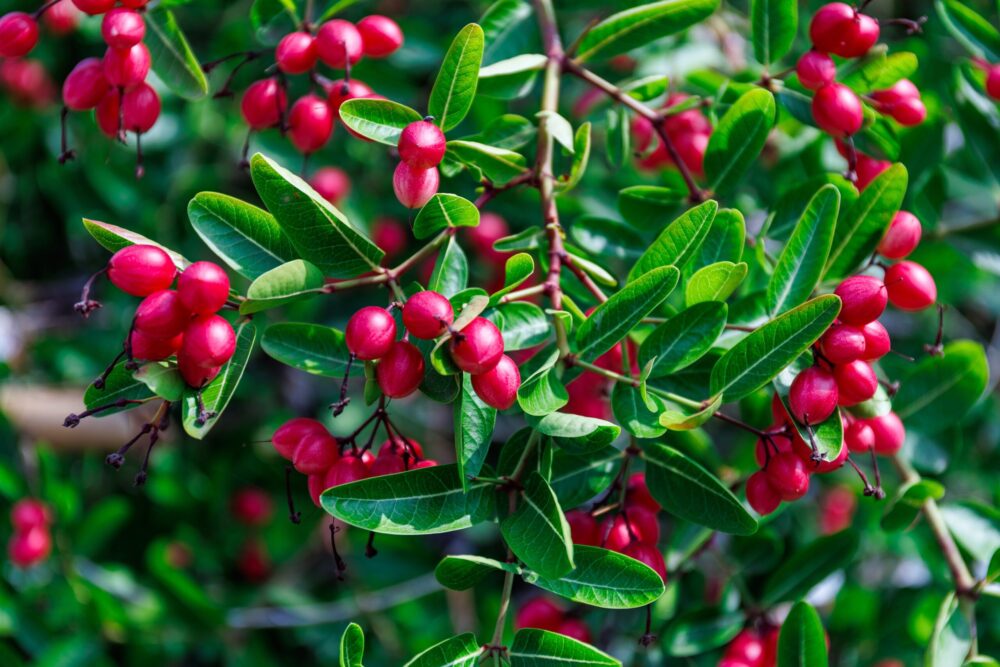
It looks almost like a coffee bean. It is small, bright red, and grows on shrubs scattered across the forests of West Africa. But place one on your tongue, and within minutes, a lemon wedge starts tasting like lemonade. A sour candy becomes dessert. Vinegar edges toward sweetness. The miracle berry has been doing this for centuries, and science is only beginning to catch up with what it can actually do.
What makes miracle berry so unusual
The fruit comes from an evergreen shrub native to Ghana, Nigeria, Cameroon, and the Ivory Coast, where local communities have relied on it for generations. Beyond its taste-altering reputation, various parts of the plant including the leaves, roots, and bark have long been used in traditional medicine to address everything from coughs to fever to diabetes and malaria.
What makes the berry itself so remarkable is a single glycoprotein locked inside its pulp called miraculin. This compound binds to the sweet taste receptors on the human tongue and stays largely inactive under normal conditions. The moment acidic food or drink enters the picture, however, everything changes.
How miracle berry rewires your sense of taste
At neutral pH, miraculin just sits quietly on the taste receptors without triggering any response. But when acidity hits, a chemical shift occurs that flips the compound from blocking sweetness to actively switching it on. The result is that sour foods register as sweet, without a single gram of added sugar involved.
The effect is not permanent. Depending on how much of the fruit was consumed and individual differences in taste sensitivity, the window of altered perception typically lasts anywhere from 30 minutes to around two hours before gradually fading as the protein detaches from the receptors. The evidence for this effect is most robust with acidic foods and drinks, though researchers are still exploring how it interacts with bitter, salty, and sweet items.
The growing list of potential miracle berry benefits
Beyond its novelty factor, the fruit is attracting genuine scientific attention for what else it might offer. Miracle berries contain a range of bioactive plant compounds including flavonoids, phenolic acids, and anthocyanins that have shown antioxidant activity in laboratory and preclinical settings. Some animal studies have pointed to possible benefits related to cholesterol levels and metabolic health, though those findings have not yet been replicated in large-scale human trials.
One of the more promising areas of current research involves cancer care. Chemotherapy frequently disrupts taste perception, leaving patients unable to enjoy food and struggling to maintain adequate nutrition throughout treatment. Small clinical studies have found that miracle berry supplementation may help restore sweet taste sensitivity, improve caloric intake, and support overall nutritional status in patients undergoing treatment. These studies are still limited in size, but the direction of the findings has generated real interest among clinicians looking for low-risk supportive tools.
Preclinical research has also explored potential anticancer properties in laboratory models, with certain extracts showing effects on colorectal cancer cells. As promising as those early results are, researchers are careful to note that what happens in a lab dish does not automatically translate into outcomes in the human body.
Where miracle berry stands today
For people looking to cut sugar without sacrificing sweetness, the berry has found a natural home. It has been used in low-calorie diet strategies, as a way to make bitter vegetables and fermented foods more palatable, and as a potential natural alternative to artificial sweeteners. Its long history of safe traditional use in West Africa adds a layer of reassurance, though concentrated supplement forms have not been studied extensively in long-term human trials.
The miracle berry is not a cure, a treatment, or a magic fix. What it is, increasingly, is a functional food with a rare and well-documented ability to reshape how we experience eating, and possibly, how we heal.