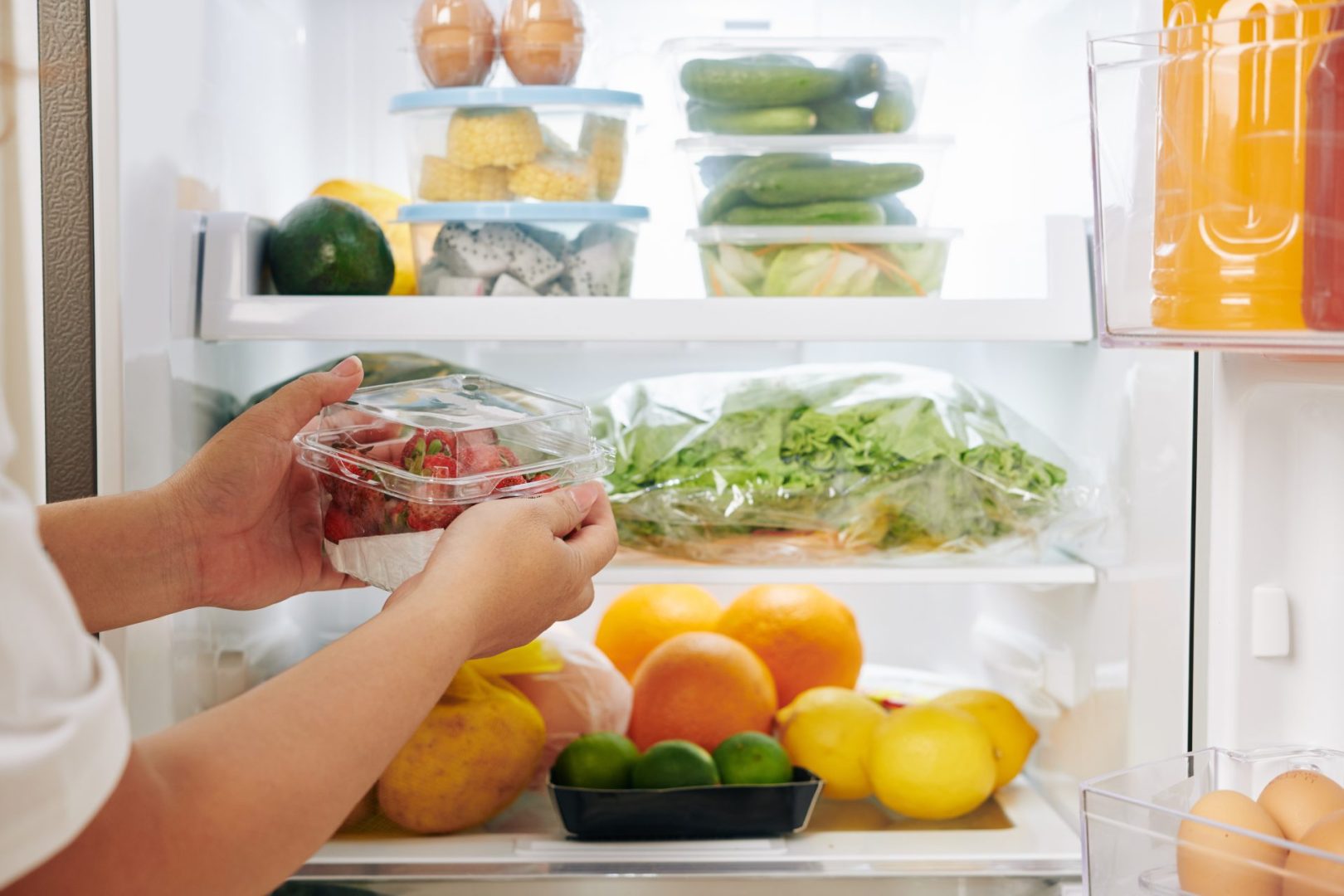
Most people assume the refrigerator is the safest place for anything perishable, and for eggs, meat and dairy that logic holds up. But the cold, humid air inside a fridge actively works against a surprising number of everyday ingredients, stripping flavor, altering texture and in some cases speeding up the very spoilage you were trying to prevent. These seven foods belong on your counter or in a cool, dark cupboard, not on a refrigerator shelf.
1. Tomatoes
Cold temperatures break down the membranes inside tomatoes, diluting their natural sweetness and turning a firm, juicy fruit into something mealy and flat. The counter is a far better home, where they can continue to ripen and hold onto the flavor that makes them worth eating in the first place.
2. Potatoes
Refrigerating potatoes causes the starches inside them to convert to sugar more rapidly than they would at room temperature. That conversion affects both flavor and how the potato behaves when cooked, often leading to unexpected sweetness and uneven texture. A cool, dark pantry keeps them stable and cooking-ready for far longer.
3. Onions
Onions absorb moisture readily, and the humid air inside a refrigerator accelerates that process, making them soft and prone to mold. They also release a strong odor that neighboring foods absorb easily, which can subtly alter the taste of whatever is stored nearby. Keeping onions in a pantry or on the counter in a dry spot preserves both their structure and the flavor of everything around them.
4. Garlic
The refrigerator shortens garlic’s shelf life rather than extending it. Cold, damp conditions cause garlic to sprout quickly and eventually become rubbery and difficult to use. Stored in a dry, well-ventilated container at room temperature, whole heads and individual cloves stay firm, flavorful and ready to use for considerably longer.
5. Bread
Bread goes stale faster in the refrigerator than it does at room temperature because the cold air draws out moisture from the loaf at an accelerated rate. A bread box or a spot on the counter is the better option for a loaf you plan to finish within a few days. If you need to extend its life beyond that window, the freezer preserves texture and flavor far more effectively than the fridge ever will.
6. Honey
Honey does not require refrigeration under any circumstances. It contains natural preservatives that allow it to remain stable at room temperature for an extraordinarily long time. Storing it in the fridge causes the sugars to crystallize, transforming the texture into something thick, grainy and difficult to work with. A sealed jar in the pantry is all it needs and will remain usable for years.
7. Olive oil
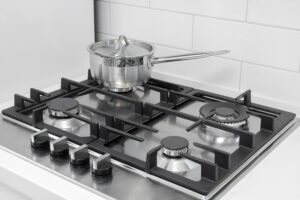
Olive oil solidifies and turns cloudy when refrigerated, which compromises both its consistency and its flavor profile. While the oil returns to its normal state after warming back up to room temperature, repeated cycles of chilling and warming degrade its quality over time. A sealed bottle stored in a cool, dark cupboard away from the stove maintains its flavor and pours cleanly every time.
The common thread across all seven is that the fridge creates conditions, primarily cold and humidity, that work against these particular ingredients in ways that are easy to overlook until the quality is already gone. Rethinking where a few of these items live in your kitchen takes almost no effort and makes a noticeable difference in how your food tastes and how long it actually lasts.