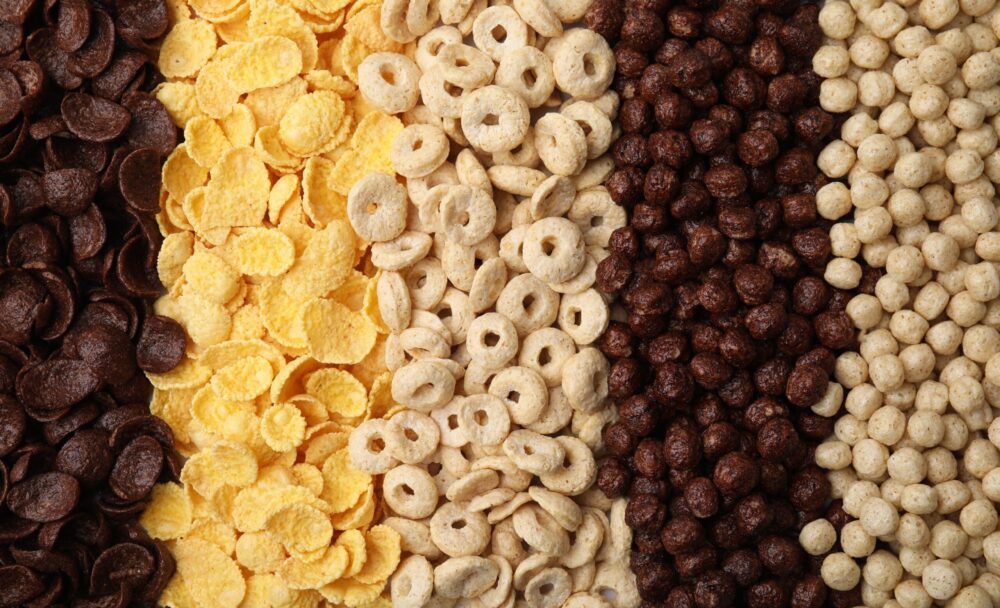
The breakfast habit your heart is paying for. Starting the day with a good breakfast has long been associated with better heart health. A 2019 study in the Journal of Cardiovascular Development and Disease linked regular breakfast consumption to improved cardiovascular outcomes, and cardiologists widely support the habit. But the type of breakfast consumed matters enormously and one category of morning staple is drawing serious concern from heart specialists.
Sugary breakfast cereals, a fixture in households for generations, are now being flagged by multiple cardiologists as a consistent contributor to arterial damage. The problem is not a single bowl on a Sunday morning. It is the daily habit, repeated over months and years, that quietly shifts the body toward conditions that raise heart disease risk in ways most people never see coming.
What sugary cereal actually does inside the body
The chain reaction begins the moment a high-sugar cereal is consumed. Blood sugar spikes rapidly, particularly in cereals containing high fructose. The liver responds by converting that fructose into fat, producing dense LDL particles, triglycerides and VLDL particles that then move through the bloodstream. Over time, this process contributes directly to atherosclerosis the medical term for the buildup of plaque inside the arteries that narrows and stiffens blood vessels.
Elevated blood sugar also triggers a cascade of vascular damage that operates independently of weight. It causes dysfunction in the endothelium, the delicate lining of blood vessels, while simultaneously promoting oxidative stress and inflammation throughout the circulatory system. Together, those three factors create conditions that make arterial blockages and blood clots significantly more likely even in people who appear otherwise healthy.
Habitual blood sugar spikes from high-sugar, low-fiber breakfasts can also impair glucose tolerance over time, eventually contributing to type 2 diabetes. And diabetes, once developed, further damages blood vessels and accelerates the very arterial clogging the sugary breakfast helped set in motion.
The American Heart Association recommends that women limit added sugar to no more than 25 grams per day and men to no more than 36 grams. Many popular breakfast cereals contain a significant portion of that daily limit in a single serving before any additional toppings or juice are added.
3 heart healthy breakfasts that are nearly as easy to prepare
Cardiologists flag this everyday breakfast food as a serious artery threat. Giving up a familiar morning routine feels difficult, but cardiology dietitian Michelle Routhenstein points out that heart-friendly breakfasts do not require elaborate cooking skills or significant extra time. Here are three options she recommends:
Steel-cut oats with berries, walnuts and cinnamon. This combination delivers soluble fiber that lowers LDL cholesterol and slows blood sugar spikes, anti-inflammatory compounds from the berries and heart-healthy fats and protein from the walnuts. It supports steady energy and vascular health throughout the morning.
Greek yogurt parfait with chia seeds, berries and unsweetened cereal or nuts. This option brings together protein, fiber and healthy fats in a combination that stabilizes blood sugar at the start of the day. Eaten regularly, it supports healthy cholesterol and triglyceride levels over the long term.
Vegetable omelet with whole-grain toast and avocado. Protein, fiber and unsaturated fat work together here to promote satiety and support blood vessel health in the hours after eating. It is also one of the most nutrient-dense ways to begin the day.
None of these require much more effort than pouring cereal into a bowl. And unlike that bowl of cereal, each one is actively working in favor of the heart rather than quietly working against it.
The convenience of processed breakfast foods is part of their appeal, but cardiologists are clear: the long-term cost to cardiovascular health is not a trade-off worth making every single morning.