Most Americans get more than half of their daily calories from ultra-processed foods things like fast food, packaged chips, frozen dinners and commercially baked goods. That matters because high consumption of these products has been directly linked to a pro-inflammatory state in the body, a condition tied to the development and progression of serious chronic diseases including heart disease, cancer and dementia.
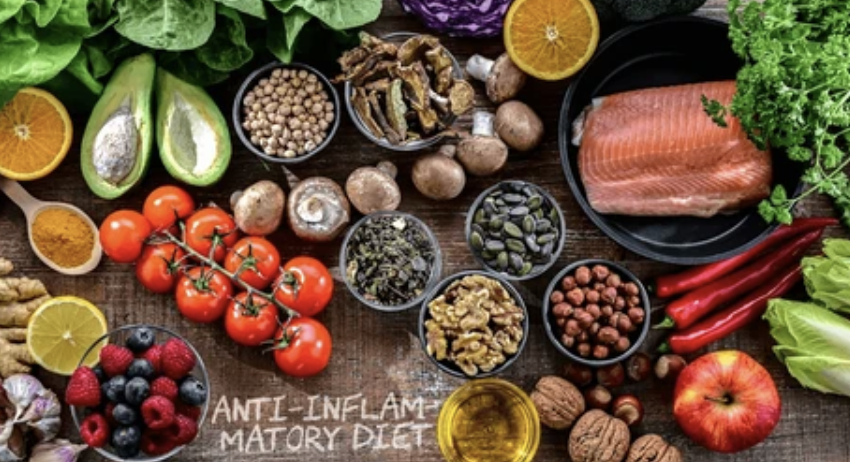
The good news is that food choices can work in the opposite direction just as effectively. A diet built around whole, minimally processed ingredients particularly those with known anti-inflammatory properties can measurably reduce chronic cellular inflammation and lower disease risk over time. Below are seven foods that earn a place in the cart week after week, along with the research that explains why they are worth the consistent investment.
Coffee
Coffee occupies a complicated space in nutrition conversations, but current evidence leans clearly toward its benefits when consumed in moderation. It is one of the primary sources of antioxidants in the average American diet, and those compounds actively combat free radicals molecules that contribute to cellular inflammation. Research has found that people who drink coffee regularly tend to have lower levels of systemic inflammation and a reduced incidence of age-related diseases such as certain cancers, heart disease and stroke. A morning espresso or a standard drip coffee, without excessive added sugar, is a reasonable daily habit with a meaningful upside.
Garlic
Fresh garlic is one of the most versatile and well-studied anti-inflammatory ingredients in the kitchen. Its beneficial compounds, however, are sensitive to both heat and preparation method. Researchers have found that crushing or finely chopping garlic cloves activates allicin, the primary antioxidant responsible for many of garlic’s health benefits. Grating it raw into salad dressings, sauces or stir-fries preserves more of that activity than high-heat cooking alone. Raw garlic on toast with a drizzle of olive oil and a pinch of salt is a simple way to get the most out of it, though people with sensitive digestive systems may want to start with small amounts and see how their body responds.
Extra-virgin olive oil
Extra-virgin olive oil is the cornerstone of the Mediterranean diet and one of the most researched anti-inflammatory fats available. It is rich in polyphenols plant-based antioxidants that work against inflammation-causing compounds in the bloodstream. When shopping for it, an opaque bottle helps protect the oil from light degradation, and checking the harvest date ensures freshness. It works well as a primary cooking oil, a base for homemade dressings and dips, or as a finishing drizzle over cooked vegetables and grains.
Walnuts
Among all nuts, walnuts contain the highest concentration of antioxidants, making them a particularly strong choice for anyone looking to reduce inflammation through diet. They are a notable source of alpha-linolenic acid, an omega-3 fatty acid that has been shown to lower inflammatory markers and play a protective role against cardiovascular and neurocognitive disease. Beyond snacking on them raw, chopped walnuts integrate easily into oatmeal, yogurt, salads and baked goods, making it straightforward to work them into most meals without much effort.
Plain Greek-style yogurt
Fermented dairy products like yogurt have a well-documented relationship with inflammation reduction. A large scale study found that regular yogurt consumers show fewer biomarkers of chronic inflammation compared to those who do not eat it. Yogurt’s probiotic content also supports a healthy gut environment relevant because roughly 80% of the body’s immune cells are located in the gastrointestinal tract. Strained Greek-style yogurt offers a thicker texture and a higher protein content than regular yogurt, and it works equally well as a base for breakfast bowls, a marinade for proteins or a substitute for sour cream and mayonnaise in everyday recipes.
Canned or pouched salmon
Fatty fish is one of the most concentrated dietary sources of anti-inflammatory omega-3 fatty acids, yet most Americans fall consistently short of recommended seafood intake. Research involving women between the ages of 35 and 70 found that eating around 80 grams of salmon or similar fatty fish daily for eight weeks produced measurable reductions in inflammatory markers a meaningful finding for anyone with a family history of heart disease. Canned and pouched salmon solve the accessibility problem entirely: shelf-stable, affordable and ready to use in fish cakes, salads, grain bowls or simply spread over crackers for a protein-rich snack.
Oats
Oats are a whole grain rich in phenolic compounds, which carry direct anti-inflammatory effects. One study found that regular oat consumption reduced systemic chronic inflammation in adults at elevated cardiovascular risk in as little as two weeks. Their versatility also makes them easy to incorporate consistently as a warm breakfast porridge, blended into smoothies, stirred into homemade granola or used as a binding ingredient in baked goods. Few pantry staples offer that combination of affordability, flexibility and evidence-backed health benefit in equal measure.
Building the habit
No single food reverses chronic inflammation on its own, but the cumulative effect of consistently choosing ingredients like these while reducing reliance on ultra-processed alternatives adds up in ways the research continues to support. Keeping these seven items stocked makes it far easier to cook and eat in a way that works with the body rather than against it, week after week.