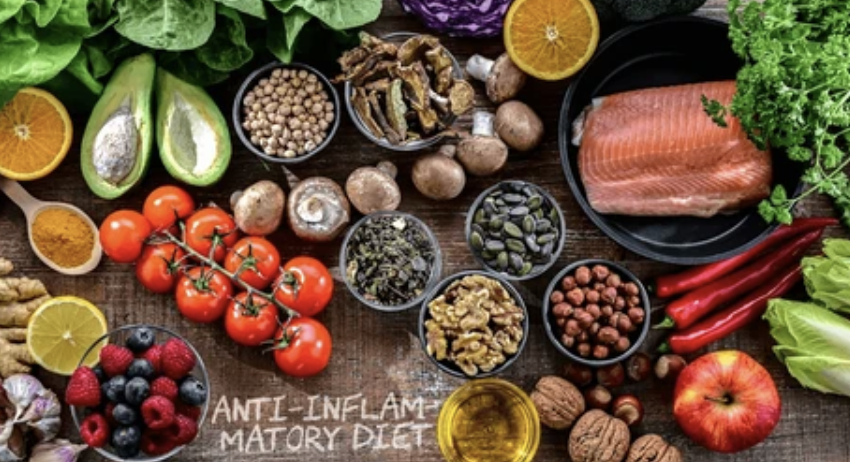
Anti-inflammatory diet is a term that has circulated in wellness culture long enough to have acquired a slightly exhausted quality. It appears on meal plans, cookbook covers, and the advice columns of every health publication that has ever needed a dietary framework to write about. The familiarity, however, has not diminished what the clinical research is finding. If anything, the evidence base for anti-inflammatory eating patterns as a chronic disease prevention tool has strengthened significantly in recent research cycles.
New nutritional research synthesizing outcomes from multiple large dietary intervention studies confirmed five specific health outcomes where consistent anti-inflammatory dietary patterns produce results that standard healthy eating guidance does not reliably achieve. The findings are prompting a meaningful update in how clinical dietitians and preventive medicine physicians frame dietary recommendations for adults at risk of chronic conditions.
Anti-inflammatory diet and cardiovascular disease risk reduction
The cardiovascular benefit of anti-inflammatory eating patterns is the most extensively researched and most consistently confirmed finding in the literature. The dietary pattern, which emphasizes fatty fish, olive oil, leafy greens, berries, nuts, and legumes while minimizing ultra-processed foods, refined carbohydrates, and seed oils, reduces cardiovascular risk through multiple simultaneous mechanisms. It lowers triglycerides, improves HDL function, reduces arterial inflammation, and improves endothelial function in ways that standard low-fat dietary guidance does not consistently produce.
Research found that adults following anti-inflammatory dietary patterns showed cardiovascular disease event rates significantly lower than those following standard healthy eating guidelines at matched caloric intakes, with the differential attributable to the specific inflammatory pathway interventions of the anti-inflammatory approach rather than caloric effects alone.
Anti-inflammatory diet and joint pain and mobility improvement
The joint health benefits of anti-inflammatory eating represent one of the most practically experienced outcomes reported by adults who make the dietary shift.
Chronic joint inflammation, whether from osteoarthritis, rheumatoid arthritis, or generalized inflammatory joint conditions, responds measurably to the reduction in dietary pro-inflammatory inputs that the anti-inflammatory pattern achieves. Research found that adults with confirmed inflammatory joint conditions who adopted anti-inflammatory dietary patterns showed significant reductions in pain scores, morning stiffness duration, and inflammatory marker levels over 12-week intervention periods.
The effect was most pronounced in adults who simultaneously reduced their consumption of the dietary components most strongly associated with inflammatory signaling, including refined sugar, seed oils high in omega 6 fatty acids, and ultra-processed food, alongside increasing their intake of omega 3-rich foods and polyphenol-dense plant foods.
Anti-inflammatory diet and gut microbiome diversity and health
The gut microbiome research examining dietary pattern effects has consistently found anti-inflammatory dietary patterns among the most microbiome-supportive eating approaches available.
The high fiber content, diverse plant food variety, and fermented food inclusion common to anti-inflammatory dietary patterns collectively provide the substrate diversity, prebiotic feeding, and live culture delivery that gut microbiome research identifies as the primary drivers of microbial diversity and resilience. Research found that adults who adopted anti-inflammatory dietary patterns showed measurable improvements in microbiome diversity scores within six weeks, with the diversity improvements translating into downstream reductions in gut permeability markers and systemic inflammatory indicators.
Anti-inflammatory diet and cognitive function and brain health
The neurological benefits of anti-inflammatory eating are among the most recently confirmed and most clinically significant findings in the current research cycle.
Neuroinflammation is increasingly understood as a primary driver of cognitive decline, depression, and neurodegenerative disease risk, and the dietary modulation of inflammatory pathways through anti-inflammatory eating produces measurable effects on neurological health markers. Research found that adults following anti-inflammatory dietary patterns showed better cognitive performance scores, lower depression symptom severity, and reduced neuroinflammatory biomarkers than matched adults following standard dietary patterns at the same follow-up periods.
Anti-inflammatory diet and blood sugar regulation and metabolic health
The metabolic health benefits of anti-inflammatory eating extend well beyond the cardiovascular system into glucose regulation and insulin sensitivity.
The dietary pattern’s emphasis on fiber-rich whole foods that slow glucose absorption, combined with the reduction in ultra-processed foods that spike blood sugar, produces a consistently improved glycemic profile in adults who adopt it. Research found that adults following anti-inflammatory dietary patterns showed significantly better fasting glucose, insulin sensitivity, and HbA1c scores than those following standard healthy eating advice, with the metabolic improvements appearing independently of weight change and persisting at 12-month follow-up assessments.