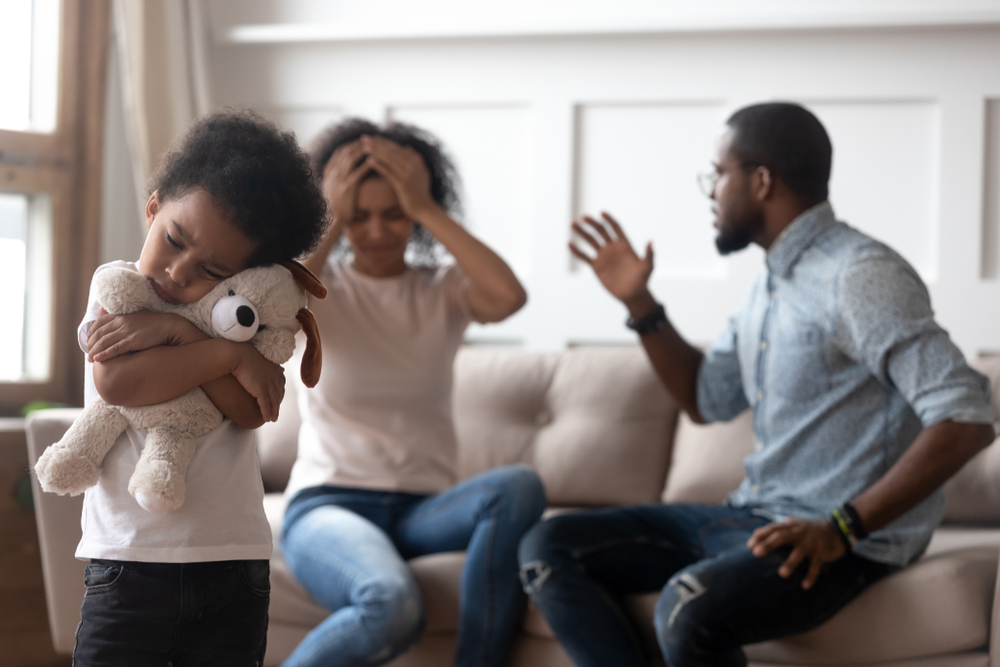
The arguments parents think their kids are ignoring may be the ones doing the most lasting harm
Every family has conflict. Disagreements happen. Tension rises. Voices get louder. But for the child sitting in the next room — or worse, standing right there in the middle of it — none of that feels ordinary. It feels like the foundation of their world is cracking.
What parents often underestimate is just how deeply their conflict registers in a child’s developing mind and body. Research continues to confirm what many adults carry silently from their own childhoods— growing up inside a home full of unresolved tension does not just feel bad in the moment. It reshapes how a child thinks, feels, relates to others, and eventually how they show up in the world as an adult.
This is not about blame. It is about awareness — and the power of knowing better so we can do better.
The Emotional Toll Is Real and Measurable
Children are far more perceptive than most parents realize. Research consistently shows that high frequency and intensity of parental conflict has a significant negative impact on children’s mental health, causing both parents to focus on their conflict and reducing their sensitivity to their children’s emotional needs.
That reduction in sensitivity creates a gap — and children feel it even when nothing is said directly to them. When children are repeatedly exposed to inter-parental conflict accompanied by hostility and unresolved tension, their fundamental goal of feeling safe and secure within the family environment is placed at serious risk.
The results show up quickly. Anxiety increases. Sleep is disrupted. Concentration fades. Children as young as eight have been found to experience emotional detachment, chronic stress, and difficulty focusing in school as a direct result of ongoing conflict in the home. These are not small inconveniences — they are warning signs.
How It Shapes the Way Children See Themselves and Others
The damage does not stop at emotions. Repeated exposure to parental conflict can lead children to develop distorted ways of thinking — including the belief that conflict is unavoidable or that expressing emotions causes harm. These patterns can shape how they approach relationships and problem-solving well into adulthood.
Children who grow up watching chronic conflict between their parents often struggle with social connection. Parental conflict is a significant contributing factor to feelings of loneliness, shyness, and social anxiety in children and adolescents — conditions that, left unaddressed, follow them long after they leave home.
The social ripple effects are just as concerning. Research shows that increased parental conflict is strongly linked to decreased emotional warmth between parents and their children, more negative communication patterns, and greater difficulty forming healthy peer relationships. Kids who witness parents fighting learn from that dynamic — and they take those lessons into every relationship they build.
What the Research Says About Long-Term Risk
The long game is where the stakes get highest. A study tracking over 1,000 families found that chronic parental conflict increased parenting stress over time, eroding psychological flexibility in parents — a sequential pattern that predicted rises in aggression and behavioral difficulties in adolescents years later.
The pathway is clear— conflict creates stress, stress erodes parenting quality, and eroded parenting quality produces measurable harm in children. It is a cycle — and it does not break on its own.
Here is what parents should watch for in their children
- Sudden changes in behavior, mood, or school performance
- Increased clinginess, withdrawal, or difficulty sleeping
- Physical complaints like stomachaches or headaches with no clear medical cause
- Heightened sensitivity to tension or raised voices
- Trouble making or keeping friendships
These signs often appear before a child ever puts their feelings into words.
What Parents Can Actually Do
Awareness is the starting point, not the finish line. Many parents are simply unaware of the impact their conflicts have on their children’s mental health — which is why education and community-based support are critical tools for helping families navigate disagreement in healthier ways.
That does not mean eliminating all conflict. It means changing how conflict happens. Disagreements handled with respect, resolved without prolonged tension, and kept away from children as much as possible produce far less damage than those that drag on, escalate, or pull kids into the middle.
A consistent, emotionally available parent — even in the midst of family difficulty — plays a powerful protective role for a child’s development. That stability helps build the resilience children need to navigate stress both inside and outside the home.
Therapy, co-parenting counseling, and honest communication with children about their feelings are all meaningful steps. The goal is not perfection. The goal is safety — emotional safety — for the children who are watching, absorbing, and growing through everything that happens inside those four walls.
They deserve to feel that the home is a soft place to land. And that starts with the adults deciding to do the work.