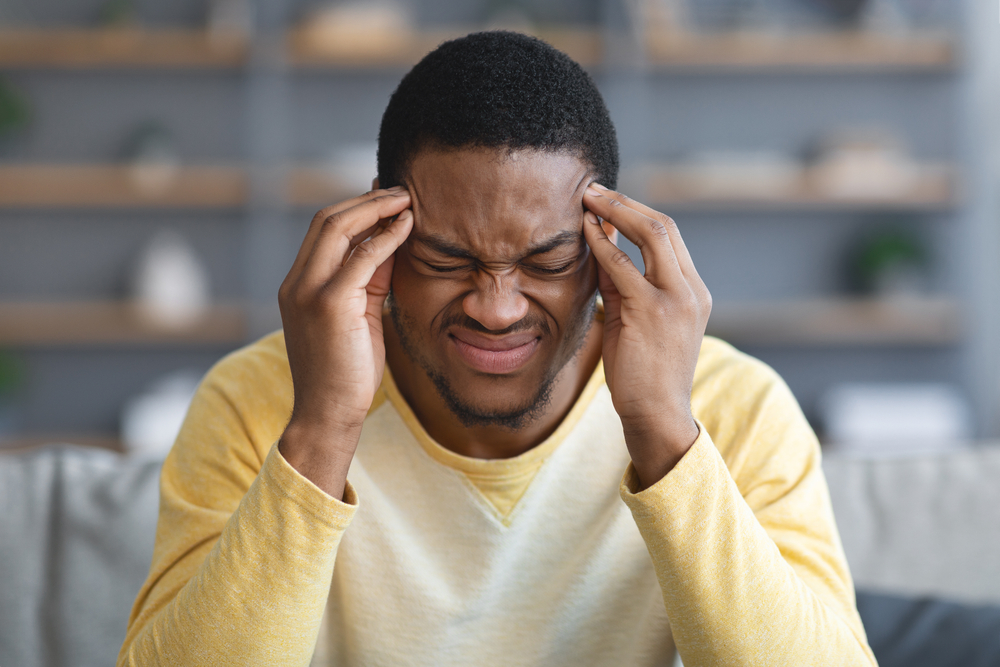
It starts innocently enough. A satisfying meal, a comfortable seat, and the pleasant weight of a full stomach. Then, within an hour, a dull throb settles in behind the eyes or wraps around the forehead like a tightening band. For people who experience headaches after eating, this sequence is painfully familiar.
The good news is that post-meal headaches are rarely a sign of anything dangerous. They are, however, the body’s way of flagging that something in that last meal did not sit well with its internal chemistry. Understanding the pattern is the first step toward breaking it.
What is happening inside the body
As food is broken down in the stomach, its components enter the bloodstream and travel throughout the body, including to the brain. The brain is particularly sensitive to shifts in blood chemistry, and certain foods can trigger rapid changes in the blood vessels surrounding it.
Some compounds found in everyday foods cause those vessels to expand or contract quickly. That sudden change in pressure is often what produces the characteristic throbbing of a post-meal headache. In other cases, eating a very large meal redirects significant blood flow toward the digestive system, temporarily reducing circulation to the brain and triggering discomfort in the process.
The most common food triggers
Sugar and blood sugar crashes
One of the most frequent culprits is sugar. A large dessert or a sweetened drink causes blood sugar to spike rapidly. The body responds by releasing insulin to bring levels back down, but sometimes that correction goes too far. The resulting drop in blood sugar, known as reactive hypoglycemia, leaves the brain starved for fuel and produces a dull, heavy headache often paired with shakiness, fatigue, and irritability.
Aged and fermented foods
Certain foods are naturally high in a compound called tyramine, which has a well-documented connection to headaches and migraines in people with sensitive nervous systems. Aged cheeses, processed meats, and red wine are among the most commonly reported triggers. The reaction does not always happen immediately and can appear several hours after eating, making the connection harder to spot without careful tracking.
Dehydration during digestion
A headache after eating does not always trace back to a specific food. Digestion is a water-intensive process, and eating a large or salty meal without drinking enough fluids can leave the body mildly dehydrated. That dehydration alone is enough to trigger a pounding headache, particularly in people who are already running low on fluids before the meal.
How to find your personal trigger
The most effective tool for identifying a food-related headache trigger is a simple journal. Writing down what was eaten, how much water was consumed, and when the headache appeared can reveal patterns that would otherwise go unnoticed. Over the course of a few weeks, consistent connections often emerge, pointing clearly toward one or two specific foods or habits.
Once a trigger is identified, avoiding it is usually enough to stop the headaches. For moments when a headache does strike, resting in a quiet, dimly lit room and applying a cool cloth to the forehead can ease the discomfort. Over-the-counter pain relievers are also an option for more persistent pain.
When a headache after eating needs medical attention
The vast majority of post-meal headaches resolve on their own with rest and hydration. However, certain accompanying symptoms warrant prompt medical evaluation. A headache that arrives with sudden visual disturbances, numbness in the limbs, confusion, or vomiting may not be food-related and should be assessed by a doctor without delay. A headache described as the most severe pain ever experienced also requires immediate attention regardless of when it appears.
The bottom line
Post-meal headaches are common, manageable, and almost always tied to something specific. Whether it is a sugar crash, a tyramine-rich food, or simply not drinking enough water, the trigger is usually identifiable with a little patience and observation. Keeping track of what ends up on the plate and how the body responds afterward is often all it takes to reclaim a pain-free afternoon.