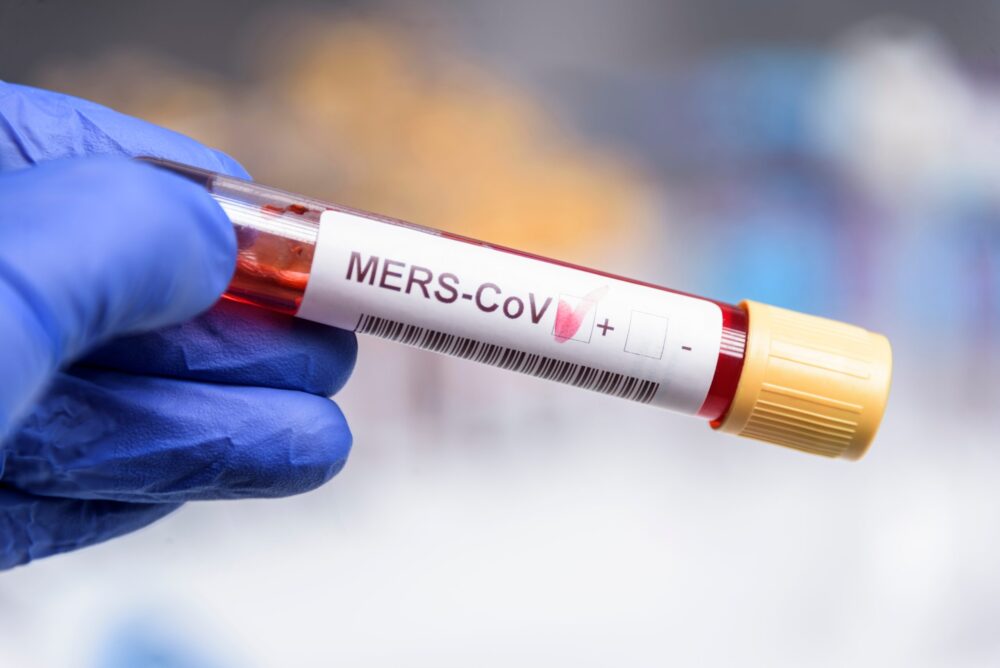
More than a decade after it was first identified, Middle East Respiratory Syndrome commonly known as MERS remains an active global health concern. With no vaccine available and no specific antiviral treatment approved, the disease continues to pose a serious threat, particularly in regions of the Arabian Peninsula where the virus is most prevalent.
As of May 2025, MERS has been confirmed in 2,638 people worldwide, resulting in 957 deaths. That translates to a case fatality rate that health officials consider alarmingly high and a disease that demands continued public awareness.
What is MERS and where did it come from?
MERS is a viral respiratory illness caused by a coronavirus known as MERS CoV. It was first identified in Saudi Arabia in 2012 and belongs to the same family of viruses responsible for the common cold and, more recently, COVID-19.
The virus is classified as zoonotic, meaning it can pass between animals and humans. Dromedary camels are the primary known animal reservoir, and direct contact with these animals is considered a key transmission route. However, scientists have not yet fully determined exactly how the virus makes the jump from camels to people.
The vast majority of confirmed cases roughly 80% have been reported in Saudi Arabia, with most others occurring in countries in or near the Arabian Peninsula. That said, MERS has been carried into other regions by travelers, leading to localized outbreaks outside the Middle East, including a significant cluster in South Korea.
How does MERS spread between people?
Human to human transmission of MERS is possible, though it occurs less easily than some other respiratory illnesses. It has been documented most frequently among close household contacts and, more notably, in healthcare settings.
The largest recorded outbreaks have taken place in hospitals and medical facilities in Saudi Arabia, the United Arab Emirates and South Korea, where the virus spread among patients, healthcare workers and visitors before being contained. This pattern makes MERS particularly dangerous in clinical environments, where vulnerable people are already concentrated.
What are the symptoms?
Symptoms of MERS typically appear five to six days after exposure, though the incubation period can range from as few as two days to as many as 14. In some cases, infected individuals experience no symptoms at all. In others, the disease progresses rapidly to life threatening illness.
The most common symptoms include:
- A high fever
- Persistent cough
- Shortness of breath or difficulty breathing
- Diarrhea
- Nausea or vomiting
- Muscle aches and shivering
Who is most at risk?
While anyone can contract MERS, certain groups face a significantly higher risk of developing severe disease. Older adults are particularly vulnerable, as are people with weakened immune systems or underlying chronic conditions. These include diabetes, cardiovascular disease, chronic lung disease, chronic kidney disease and cancer.
For these individuals, a MERS infection is far more likely to progress beyond mild respiratory symptoms. Pneumonia is a frequent complication, and some patients develop kidney failure a serious secondary condition that can be fatal on its own.
Is there any treatment?
There is currently no specific antiviral treatment approved for MERS. Care is largely supportive, focused on managing symptoms as they arise. This can include medication to lower fever, pain relief and assisted breathing in more severe cases. Patients confirmed or suspected to have MERS are typically treated in isolation within a hospital setting to prevent further transmission.
Research into potential treatments is ongoing, but as of now, medical teams are limited to supportive care while the body fights the infection.
Can MERS be prevented?
There is no licensed vaccine for MERS, though several candidates are currently in development. In the absence of a vaccine, prevention relies on behavioral precautions particularly for those traveling to areas where camels are common.
The World Health Organization advises thorough handwashing before and after any contact with camels, and recommends avoiding contact with animals that appear sick. People in high risk groups including older adults and those with chronic illnesses are advised to avoid all contact with camels entirely.
In healthcare settings, strict infection control protocols are essential. Workers in facilities treating MERS patients are advised to follow rigorous hygiene and protective equipment procedures to reduce the risk of nosocomial spread.
While MERS has not triggered the kind of global emergency seen with other coronaviruses, its high fatality rate and continued presence make it a virus that public health officials are watching closely and one the public should remain informed about.