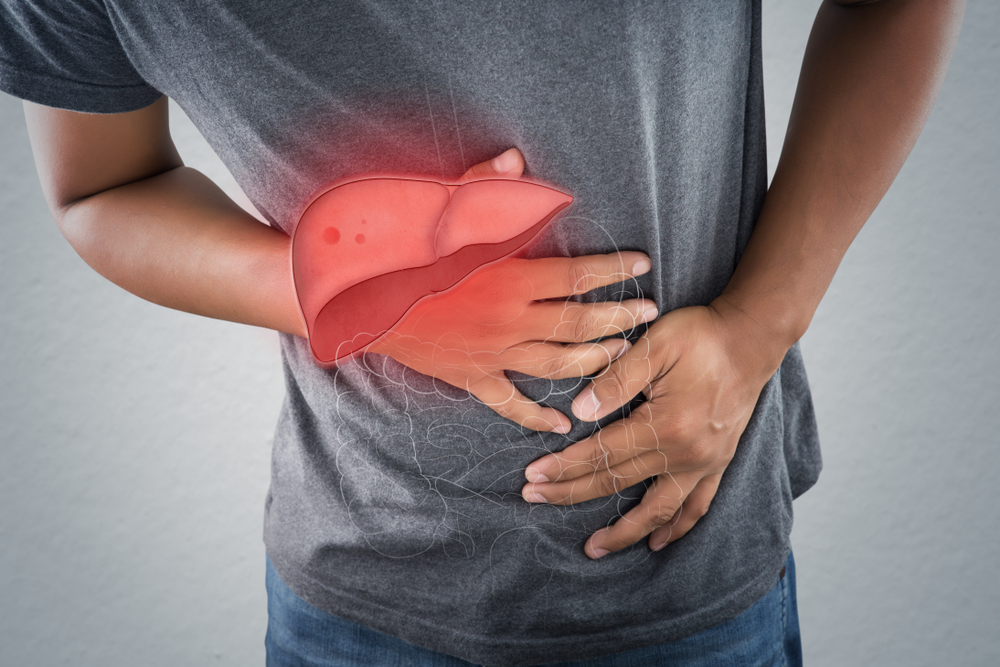
Most people can rattle off their cholesterol numbers or recall their last blood pressure reading without much effort. Ask those same people about their liver health and the conversation tends to go quiet. That gap in awareness has real consequences. Research published in the journal Hepatology Communications found that roughly 96 percent of adults with nonalcoholic fatty liver disease had no idea they had it. The liver tends to deteriorate quietly, and by the time a diagnosis arrives, it can feel sudden even when the damage has been building for years.
Understanding what liver disease is, what it looks like, and how to support liver function is a meaningful step toward closing that gap.
What liver disease actually means
Liver disease is an umbrella term that covers any condition causing ongoing injury or damage to the liver. The liver performs a remarkable range of functions, including filtering toxins from the blood, metabolizing proteins, carbohydrates and fats, producing proteins that support the immune system and blood clotting, generating bile to help the body process fat and fat-soluble vitamins, and storing energy in the form of glycogen. When the liver is compromised, all of those processes are affected to varying degrees.
There are five broad categories of liver disease. Alcohol-related liver disease is caused by the cumulative damage alcohol inflicts on liver tissue. Metabolic dysfunction-associated steatotic liver disease, also known as fatty liver disease, is linked to obesity, diabetes, and related metabolic conditions. Viral hepatitis develops when infections such as hepatitis B or C damage the liver over time. Autoimmune liver diseases occur when the immune system mistakenly targets the liver itself. And genetic liver diseases are inherited conditions that cause a harmful buildup of substances like iron or copper within liver tissue.
Liver symptoms that deserve attention
Many forms of liver disease share a common set of symptoms, which can make early identification challenging. Fatigue is among the most frequently reported, stemming from the liver’s reduced ability to convert nutrients into usable energy and clear toxins efficiently. Yellowing of the skin or eyes, known as jaundice, occurs when a waste product called bilirubin accumulates because the liver can no longer process it properly.
Abdominal swelling can develop when fluid builds up due to increased pressure in the liver’s blood vessels combined with reduced protein production. Nausea and a diminished appetite often follow disruptions in bile flow and toxin removal. Persistent itching can signal a buildup of bile components in the skin. Easy bruising or bleeding may indicate that the liver is no longer producing adequate clotting proteins.
Liver disease and its more subtle signals
Some symptoms are easier to dismiss because they resemble other common conditions. Cognitive fog, for instance, can accompany fatty liver disease as a result of underlying inflammation and metabolic shifts, and is frequently attributed to stress or poor sleep. Sleep disturbances linked to alcohol-related liver disease are often blamed on lifestyle. Joint pain associated with chronic viral hepatitis can be mistaken for arthritis. Intermittent fatigue connected to autoimmune liver conditions is routinely written off as burnout.
What you can do to support your liver
Supporting liver health does not require dramatic intervention. A low-sugar, low-fat diet aligned with Mediterranean principles, emphasizing vegetables, legumes, whole grains, fruits, lean proteins, and fish, provides a strong nutritional foundation. Around 150 minutes of moderate physical activity per week, supplemented by resistance training, can meaningfully reduce metabolic strain on the liver.
Limiting or eliminating alcohol reduces one of the most direct sources of liver damage. And before reaching for any supplement marketed as a liver support product, it is worth consulting a physician, since certain herbal remedies carry a real risk of liver toxicity.
If any of the symptoms described here feel familiar, a conversation with a doctor is a reasonable next step. Early detection changes outcomes in liver disease more than almost any other factor.