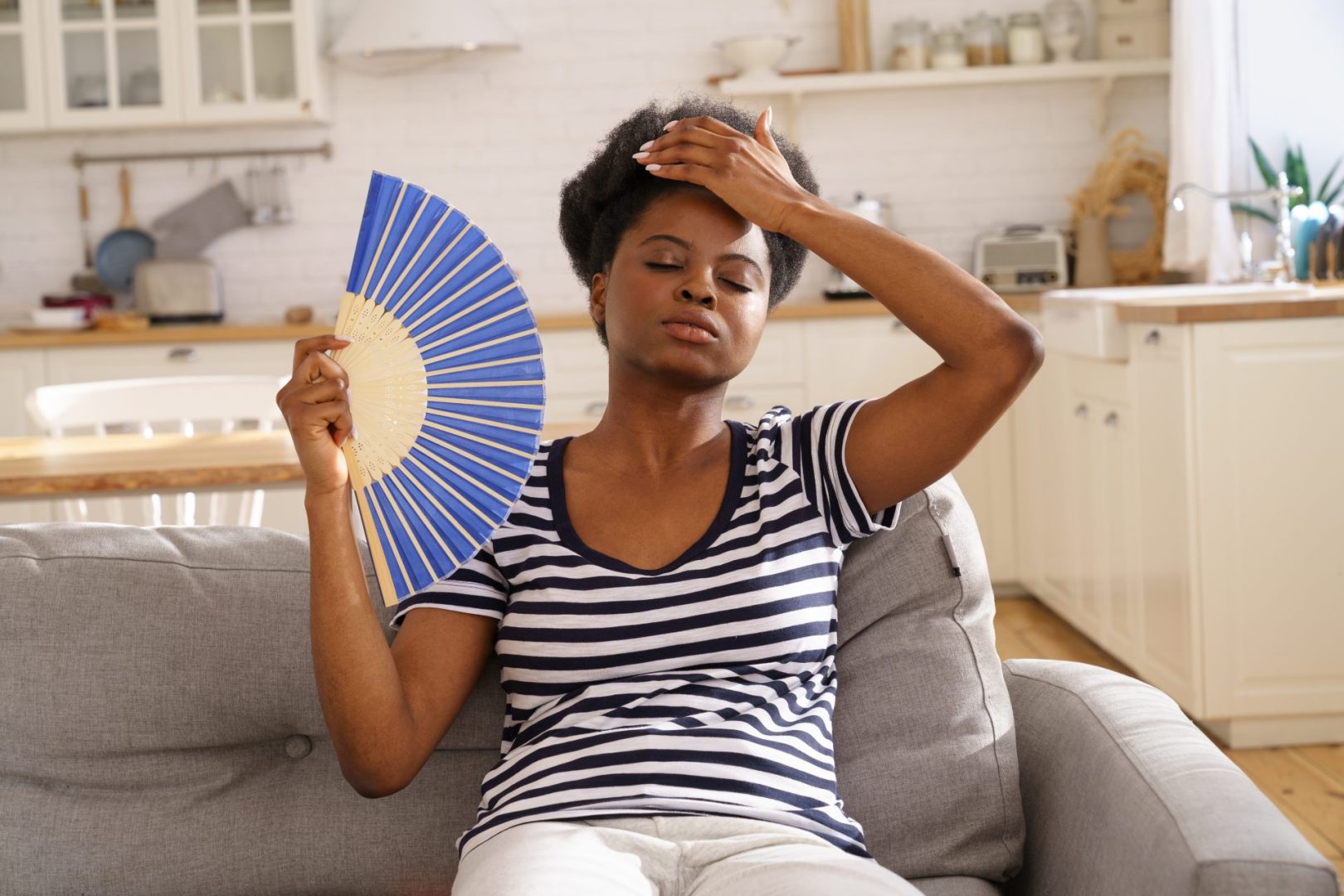
When the heat builds and the body starts to lose its ability to regulate temperature, the first warning system it sends is heat exhaustion. It is uncomfortable, disorienting and easy to dismiss, but it is also the body’s way of signaling that something needs to change immediately.
The most recognizable sign is heavy sweating, which is the body’s primary cooling mechanism working in overdrive. But it rarely stops there. A pounding headache, dizziness, nausea, muscle cramps in the arms, legs or stomach, rapid breathing and a body temperature of 38 degrees Celsius or higher are all part of the picture. An intense thirst is also common. In young children who cannot yet describe how they feel, the clearest sign may simply be unusual floppiness or sleepiness.
Heat exhaustion does not discriminate. Even fit, healthy people can be affected, particularly after strenuous activity in high temperatures or prolonged time in the sun. It can develop within minutes or creep in gradually over several hours. Certain medications can also interfere with the body’s ability to regulate temperature, increasing susceptibility to overheating, dehydration and dizziness in the heat.
When heat exhaustion becomes a medical emergency
Left unaddressed, heat exhaustion can escalate into heatstroke, and that escalation changes everything. Heatstroke means the body can no longer manage the rising core temperature on its own, and it requires urgent medical attention.
The warning signs of heatstroke are distinct and demand immediate action. If someone still feels unwell after 30 minutes of rest in a cool space with water, that is a serious red flag. Other indicators include the absence of sweating despite feeling overheated, a body temperature of 40 degrees Celsius or above, shortness of breath, confusion, seizures, loss of consciousness or an inability to respond. Any one of these signs means it is time to call emergency services without delay.
Older adults, young children and people managing long-term health conditions are especially vulnerable and should be monitored closely during periods of intense heat.
How to help someone with heat exhaustion
The approach is straightforward and the goal is to bring the body temperature down as quickly as possible. Move the person to a cool environment, ideally somewhere with air conditioning or at minimum a shaded area away from direct sun. Remove any unnecessary clothing to expose as much skin as possible.
From there, use whatever cooling tools are available. A damp cloth or sponge, a mist of cool water, cold packs placed at the neck and armpits, or a cool wet sheet wrapped around the body all help bring the temperature down. Fanning the skin while it is still moist accelerates the cooling process by aiding evaporation. Encourage the person to drink water steadily, and sports or rehydration drinks are equally effective.
Stay with them throughout. Most people begin to feel noticeably better within 30 minutes of starting this process.
When to call for emergency help
If symptoms do not improve after 30 minutes of rest and active cooling, do not wait any longer. Call emergency services immediately. Heatstroke is not a condition that resolves on its own, and every minute matters once the body has lost the ability to cool itself.
The difference between a full recovery and a life-threatening crisis often comes down to how quickly someone recognizes what is happening and acts on it. In the heat of summer, that awareness is not just useful, it is essential.