Flu season may be winding down across much of the United States, but respiratory syncytial virus more commonly known as RSV is still making its presence felt in a significant portion of the country. What makes this season particularly notable is not just where the virus is hitting hardest, but how unusually late it has held on.
The 2025–2026 RSV season started later than normal in most parts of the country and has stretched further into spring than health experts typically see. According to the Centers for Disease Control and Prevention, elevated RSV activity could continue as late as April in some states a pattern that has caught the attention of infectious disease specialists nationwide.
Nationally, RSV viral activity measured through wastewater surveillance is currently rated as moderate, but nine states are still reporting high or very high levels as of March 20, per the CDC.
The 9 states still reporting critical RSV levels
According to the latest CDC wastewater data, the following states are currently experiencing high or very high RSV activity:
- Hawaii
- Iowa
- Michigan
- Minnesota
- Nebraska
- Nevada
- New Hampshire
- South Dakota
- Wyoming
Among these, Minnesota is being hit particularly hard. RSV wastewater concentrations in the state have reached their highest point since the start of the respiratory disease season, according to the Minnesota Department of Health though officials noted that this year’s peak remains lower than the previous two seasons.
The Mountain West region is also seeing some of the highest RSV test positivity rates in the country right now. Elevated levels are also being reported across much of the middle part of the country, the Great Plains and parts of the Northeast, while the Southeast and Mid-Atlantic have begun to see a meaningful decline.
Why children under 4 are most at risk
Emergency room visits and hospitalizations tied to RSV are beginning to ease nationally, but children under the age of 4 continue to account for the highest rates. Hospitalization rates appear to have peaked in late February or early March, according to infectious disease experts, but parents of young children should remain alert.
RSV is the leading cause of hospitalization among infants under one year old in the United States, according to the National Foundation for Infectious Diseases. Young infants, children with underlying health conditions, adults over 75 and people with weakened immune systems or chronic heart or lung disease face the greatest risk of severe illness.
What RSV symptoms look like
For most healthy people, RSV presents much like a bad cold and typically resolves within one to two weeks. According to the CDC, common symptoms include runny nose, coughing, congestion, fever, decreased appetite and wheezing.
In young infants, symptoms can also include unusual irritability, lethargy and reduced interest in feeding. Because RSV symptoms closely overlap with those of the flu, the common cold and COVID-19, testing is the most reliable way to confirm a diagnosis.
In more severe cases, particularly in young children and older adults, RSV can progress to serious complications such as bronchiolitis or pneumonia.
How to protect your family
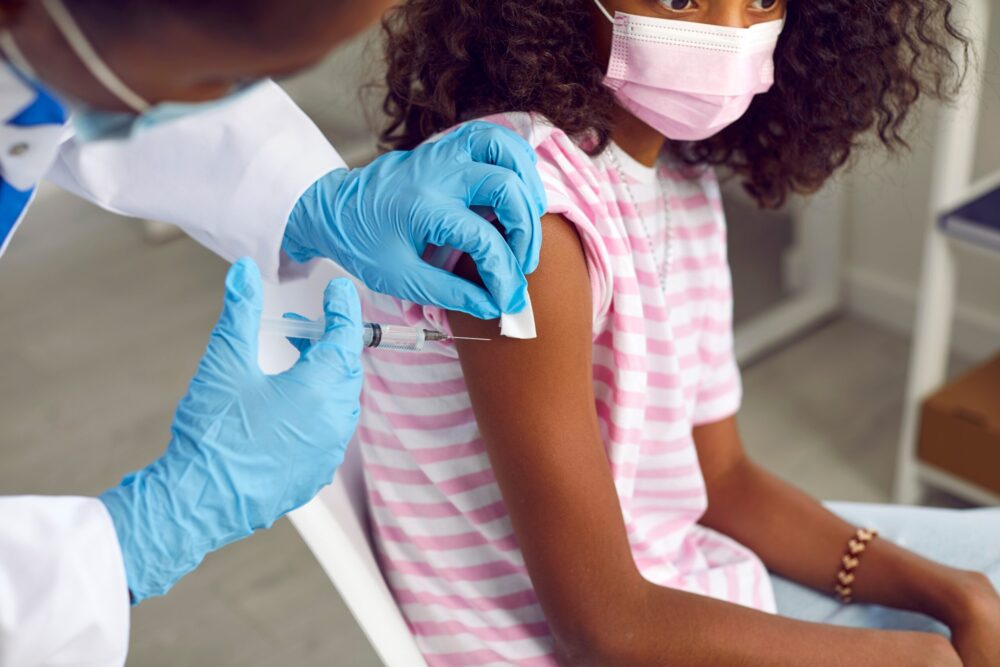
There is currently no antiviral treatment that speeds up recovery from RSV, making prevention especially important. Infants up to 8 months old and high-risk toddlers can receive a monoclonal antibody injection that helps guard against severe illness. Due to the late-running season, many state health departments have extended the availability of this protection through April or May.
Pregnant individuals between 32 and 36 weeks can also receive the RSV vaccine to help protect their newborn. Adults 75 and older, as well as high-risk adults between 50 and 74, are also eligible for vaccination.
Beyond medical interventions, everyday steps can help slow the spread. Staying home when sick, avoiding contact with people who are unwell, washing hands regularly, covering coughs and sneezes and disinfecting commonly touched surfaces all go a long way. Parents are encouraged to contact a healthcare provider promptly if a young child or infant begins showing symptoms.
As for when this season will fully wind down, experts say it is too early to say with certainty. Viruses are unpredictable, and the unusual timing of this year’s season has already defied expectations more than once.