Cheese crackers and other refined starchy snacks are doing serious damage to tooth enamel, and dentists say the mechanism is more insidious than sugar alone.
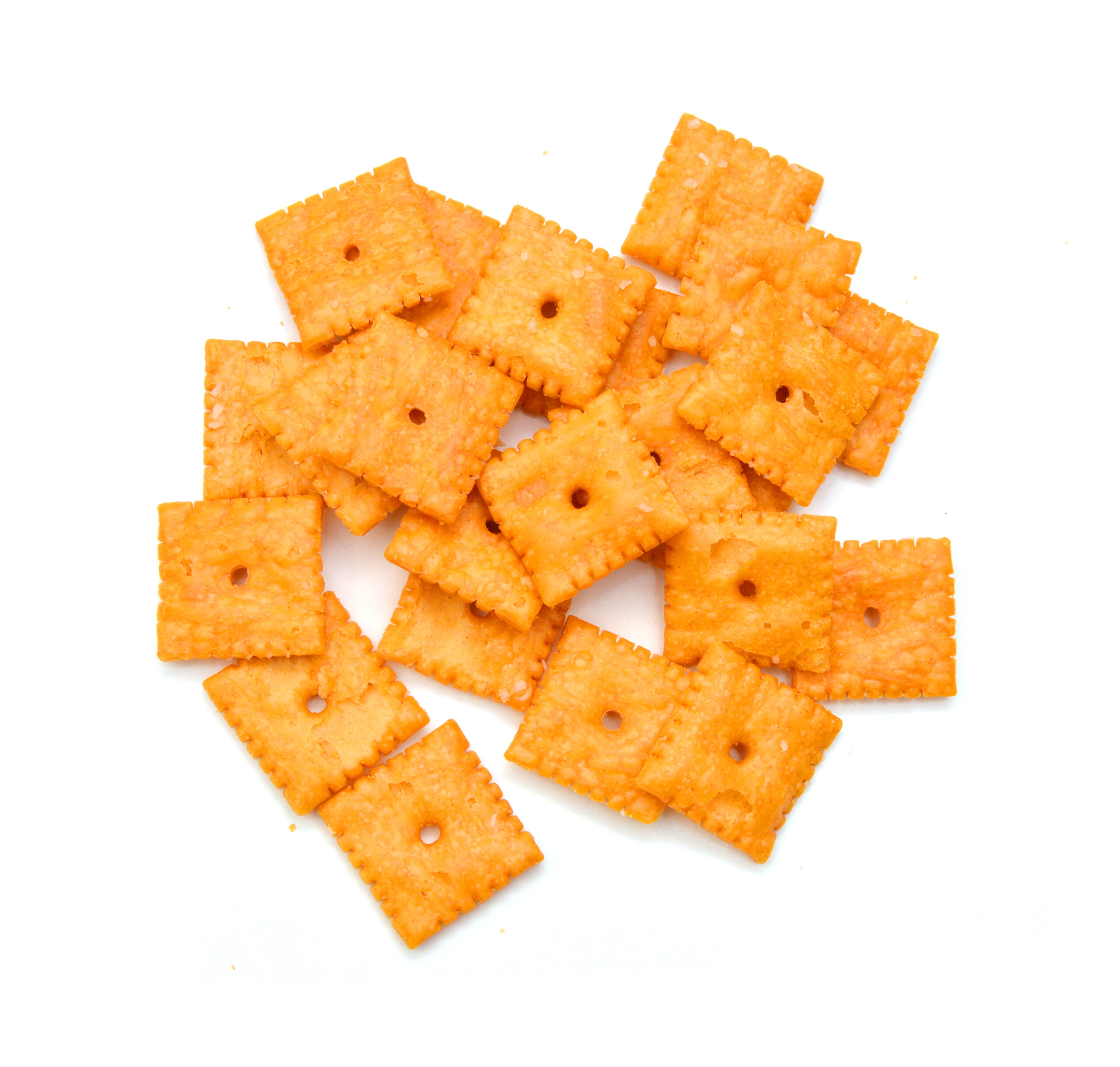
When most people think about foods that cause cavities, candy and soda come to mind first. That instinct is not entirely wrong. Sugary foods and drinks do erode tooth enamel, especially without consistent brushing and flossing. But dentists say there is another snack sitting in most family kitchens that is just as damaging, and in some cases worse. It is the kind of snack parents often hand to children without a second thought: cheese crackers.
Those small, brightly colored fish-shaped crackers and similar cheddar snacks are a staple in lunchboxes across the country. They seem benign enough. But their refined carbohydrate content makes them a significant driver of tooth decay, and the process by which they cause damage is one that catches most parents off guard.
Why crackers are so damaging to teeth
The cavity-causing culprit in cheese crackers is not the cheese. It is the refined starch, typically enriched wheat flour, that forms the base of these snacks. When starch is chewed, it breaks down quickly into simple sugars. Bacteria in the mouth feed on those sugars and produce acid as a byproduct. That acid lowers the mouth’s pH and begins dissolving enamel, the hard outer layer of the tooth that protects against decay.
What makes crackers particularly problematic is their texture. Unlike chocolate or other candies that melt and clear the mouth relatively quickly, starchy crackers turn into a paste-like substance that clings to teeth and settles into crevices. Bacteria continue feeding on that residue long after the snack is finished, producing acid for an extended window of time.
Salt compounds the issue in a less obvious way. Salty snacks reduce saliva production, and saliva is one of the mouth’s primary defenses against decay. It neutralizes acids, flushes away food particles and helps remineralize enamel between meals. When saliva production drops, that natural repair cycle slows down. Chronic low saliva levels are also associated with an increased risk of gum disease and persistent bad breath.
Sticky candies like caramels remain the worst offenders in terms of how aggressively they cling to teeth. But dentists note that crackers likely cause more damage than chocolate, and for a reason beyond texture. Crackers tend to be eaten gradually throughout the day rather than in a single sitting. Every time a starchy snack is consumed, acid production in the mouth resets and the cycle begins again, leaving enamel with little opportunity to recover.
How to still enjoy crackers without damaging your teeth
Giving up cheese crackers entirely is not necessary, but a few habits make a meaningful difference in how much damage they do.
The most effective change is reserving crackers for mealtimes rather than grazing on them between meals. Eating starchy snacks alongside other foods helps buffer the acid impact and gives saliva a better chance to recover pH levels. Drinking water while snacking on crackers also helps rinse away particles and counteract dryness.
Brushing immediately after eating crackers is a common instinct but actually works against enamel health. Acid exposure temporarily softens enamel, and brushing too soon can scrape away weakened surface before saliva has time to reharden it. Waiting about 30 minutes before brushing allows the natural remineralization process to do its work first.
For those who love the salty crunch of cheese crackers, there are alternatives worth trying. Real cheese such as string cheese delivers the same savory satisfaction without the starchy base, and it actually supports enamel by providing calcium and phosphorus. Raw vegetables like carrots and celery offer crunch while promoting saliva flow rather than suppressing it.
Refined carbohydrates are not going away from most people’s diets, and they do not have to. Brushing twice daily, flossing once and drinking water throughout the day are the habits that make the biggest difference. The goal is not to eliminate crackers but to stop letting them quietly cause damage in between dental visits.