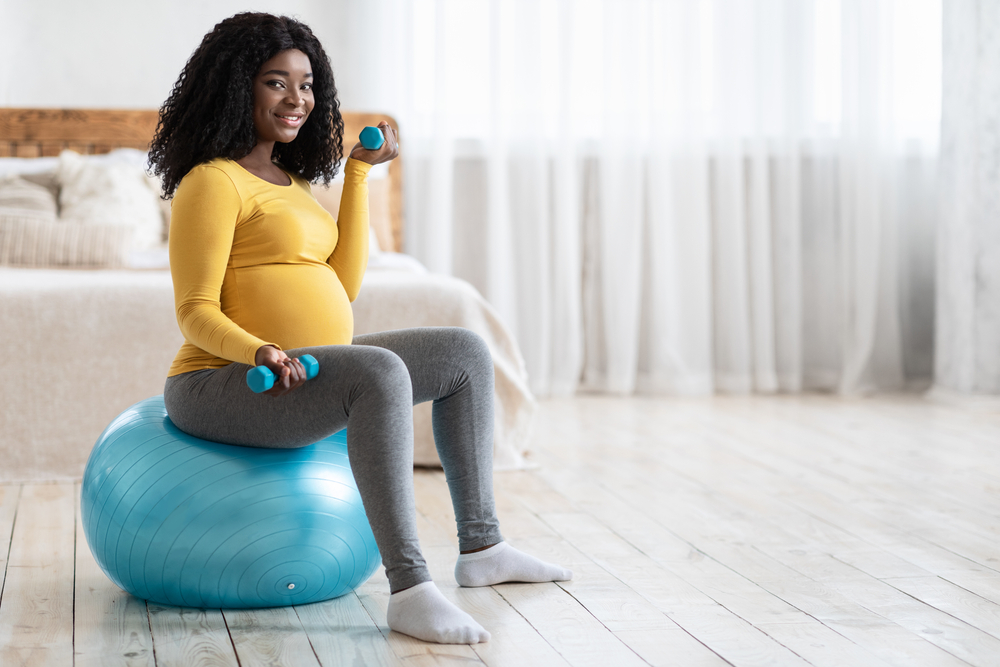
A gentle guide to moving safely while expecting, plus the cues that mean slow down
Staying active while expecting can feel like a puzzle wrapped in worry. The reassuring reality is that for most people, gentle movement during pregnancy is not only safe but genuinely good for both parent and baby. Still, the details matter a great deal, and the smartest first step is always an honest conversation with your own provider. What follows is a general guide to what tends to hold true, along with the signals worth respecting as your body changes month by month.
Why movement helps during pregnancy
Regular activity can ease many of the aches and worries that come with this season. It supports better sleep, a steadier mood, healthier weight gain and less back pain, and it may lower the odds of certain complications such as gestational diabetes. A body that stays gently active through pregnancy often handles labor and recovery more comfortably, which is reason enough for many people to keep moving with care. Exercise during pregnancy also offers a mental lift during months that can feel physically and emotionally heavy, giving you a sense of strength and control when so much else is shifting.
Activities that tend to feel good
Low-impact options are usually the friendliest choices. Walking, swimming, stationary cycling and prenatal yoga let you stay strong without pounding your joints, and they adapt easily as your center of gravity shifts. Light strength work with proper form also helps, especially for the muscles that support your back, hips and pelvic floor. Swimming deserves special mention, since the water takes weight off your frame while still giving you a full workout. Because every pregnancy is unique, the goal is simply to feel worked rather than wiped out, and to move in ways that still let you hold a conversation without gasping.
Signs to slow down or stop
Your body will often signal clearly when something is off, and those messages deserve immediate respect. Dizziness, chest pain, sudden swelling, fluid leaking, painful contractions or vaginal bleeding are all cues to stop and reach out to your provider right away. Overheating and dehydration matter too, so keep water close, dress in cool layers and skip workouts in stifling conditions. As pregnancy advances, you may also want to avoid lying flat on your back for long stretches and steer clear of any activity with a real risk of falling. Listening to these warnings is not weakness, it is wisdom.
Talking with your provider
No article can replace guidance tailored to you. Every pregnancy carries its own history, and conditions such as high blood pressure, a multiples pregnancy or a high-risk designation can change the rules entirely. Bring your plans to your appointments, ask what fits your specific situation and adjust the approach as the weeks pass and your needs evolve. With the right green light and a healthy dose of common sense, movement can become one of the most grounding and rewarding parts of these nine months.
Every stage looks different
What feels good early on may not suit you later, and that is completely normal. In the first trimester, fatigue and nausea might shrink your energy, so a short walk can be a real victory. The middle months often bring a burst of energy that makes exercise feel rewarding again. By the final stretch, a growing belly shifts your balance and comfort, and shorter, gentler sessions usually make more sense. Adjusting your routine to match each phase of pregnancy is not giving up, it is meeting your body where it is. Rest whenever you need it, celebrate each of the small wins, and remember that any safe movement during pregnancy is a gift to both you and your baby.
Above all, be kind to yourself through it. A healthy pregnancy is not measured by how hard you train but by how well you listen to your body and honor exactly what it needs from one week to the very next.