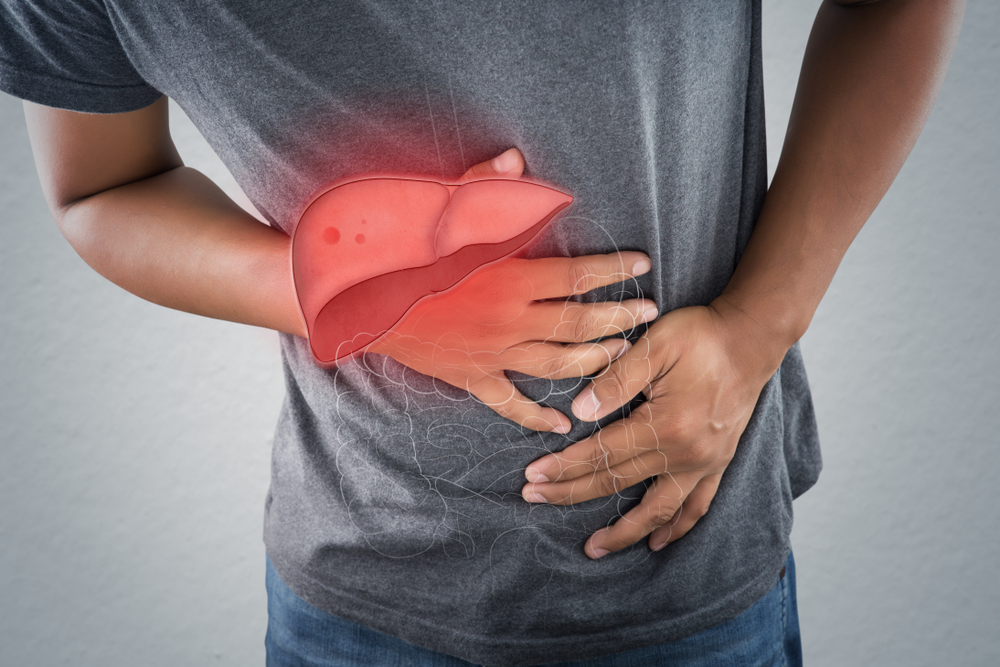
Cirrhosis develops quietly, often for years, before it announces itself. By the time symptoms appear, the liver has usually already sustained damage that cannot be undone.
How cirrhosis changes the liver
The liver is the largest internal organ in the body and handles hundreds of functions daily. Cirrhosis marks the late stage of chronic liver disease, when long term inflammation, known as hepatitis, has replaced healthy tissue with scar tissue. That scarring blocks blood and oxygen from moving properly through the liver, limiting its ability to filter toxins, process nutrients and produce essential proteins. It can also compress the portal vein, a condition called portal hypertension. In its earliest form, known as compensated cirrhosis, the liver adjusts well enough that a person may feel no symptoms at all. As function continues to decline, the disease moves into what doctors call decompensated cirrhosis.
The condition is more common than many people realize. It affects about a quarter of one percent of adults in the United States overall, rising to about half a percent among adults between ages 45 and 54. Roughly 26,000 deaths in the country each year are linked to cirrhosis, and that number has been climbing.
Causes go beyond alcohol
Alcohol related liver damage remains one of the most recognized causes of cirrhosis, but it is far from the only one. Metabolic dysfunction associated steatohepatitis, tied to excess fat storage in the liver alongside high blood lipids, blood sugar and blood pressure, is increasingly common. Chronic hepatitis C, now curable with antiviral medication, and chronic hepatitis B, which is treatable but not curable, also account for a significant share of cases. Less common causes include autoimmune diseases, inherited genetic disorders, long term exposure to certain medications or toxins, and cardiovascular conditions that disrupt blood flow to the liver.
Recognizing cirrhosis symptoms early
Early signs tend to be easy to dismiss, including nausea, fatigue, upper abdominal pain and small spider like blood vessels near the skin’s surface. As the disease advances, more distinct symptoms can emerge, such as jaundice, itchy skin, unexplained weight loss, abdominal swelling and a tendency to bruise or bleed easily. Diagnosis typically involves blood tests to check liver function, imaging that can measure liver stiffness, and occasionally a biopsy to confirm scarring and pinpoint its cause.
Treatment options and long term outlook
Cirrhosis cannot be reversed, but its progression can often be slowed or stopped depending on the underlying cause and how early it is caught. Treatment usually starts with addressing that root cause, whether through antiviral medication, alcohol cessation support, or managing metabolic conditions like cholesterol and blood sugar. Lifestyle changes, including cutting out alcohol and improving diet, remain central to protecting whatever healthy liver tissue remains. For complications, doctors may use procedures such as sclerotherapy for bleeding veins or paracentesis to drain excess fluid. In advanced cases involving liver failure or liver cancer, a transplant may become necessary, with placement on the national waiting list determined by the severity of a person’s condition.
Life expectancy varies considerably based on how far the disease has progressed. Someone with compensated cirrhosis may live 15 years or more, though that outlook shortens once portal hypertension develops due to the risk of internal bleeding. Decompensated cirrhosis carries an average life expectancy of about seven years, though other health conditions can shorten that further. Doctors often use scoring systems such as the Model for End Stage Liver Disease to gauge prognosis and prioritize transplant candidates.
Because early stage cirrhosis so often produces no symptoms, routine checkups remain one of the most reliable ways to catch it before serious damage sets in. A diagnosis is serious, but with the right treatment plan, many people are able to protect their remaining liver function for years to come.