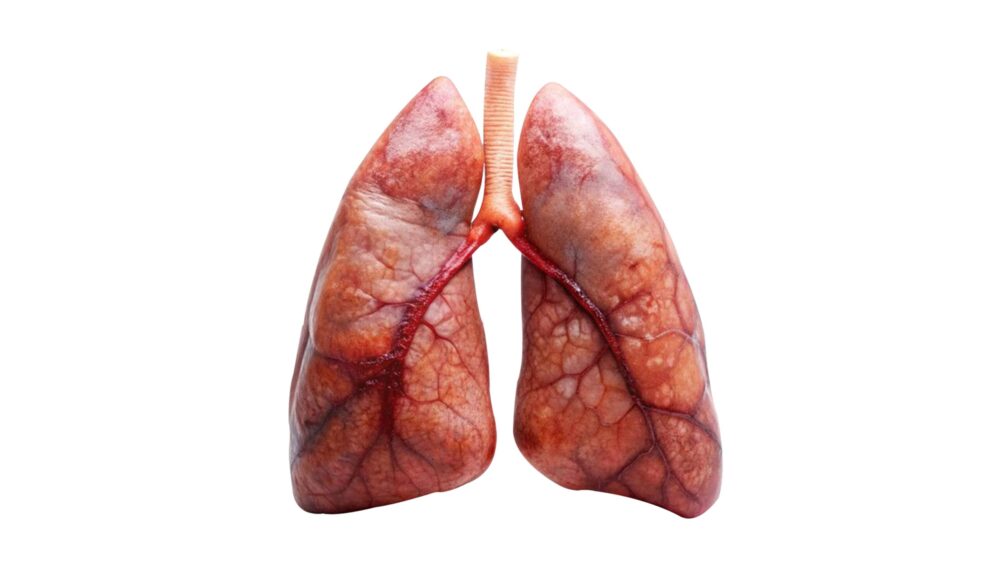
The lungs are not passive organs. They are constantly exposed to whatever moves through the air — bacteria, viruses, allergens, pollutants, smoke — and the tissue responds accordingly. When that exposure tips into something the body can’t easily clear, inflammation sets in. Medically, this condition is called pneumonitis or pneumonia depending on the cause, and it ranges from a manageable short-term illness to a serious, recurring problem that reshapes how a person breathes.
Lung inflammation occurs when the tissue inside the lungs becomes irritated or infected, triggering an immune response that causes swelling and fluid buildup. The most recognizable symptoms are a persistent cough, shortness of breath, chest discomfort and fever. In milder cases, those symptoms resolve on their own. In more severe cases, they signal something that won’t go away without intervention.
Finding the cause before choosing a treatment
No two cases of lung inflammation are identical, which is why diagnosis comes before treatment. A doctor will typically order a combination of imaging tests, blood work and a physical exam to determine what’s driving the inflammation. The cause might be bacterial, viral, autoimmune or environmental. That distinction matters enormously because the wrong treatment won’t just fail — it can make things worse.
Bacterial infections, for instance, respond to antibiotics. A full course is required to clear the infection completely. Stopping early creates conditions for antibiotic resistance, which turns a treatable problem into a stubborn one.
When the immune system itself is the problem — as it is in asthma and certain autoimmune conditions — corticosteroids like prednisone are commonly prescribed. These medications suppress the overactive immune response driving the inflammation. They work, but they carry risks with extended use, so doctors monitor patients closely when steroids are part of the plan.
Breathing easier with bronchodilators and oxygen
For people whose airways tighten during inflammation, bronchodilators offer relief by relaxing the muscles around the air passages and widening them. These medications are administered through inhalers or nebulizers and are widely used in managing both asthma and Chronic Obstructive Pulmonary Disease, commonly known as COPD.
In the most serious cases, when the body isn’t getting enough oxygen on its own, oxygen therapy becomes part of the treatment. Concentrators and ventilators deliver oxygen directly and can be the difference between recovery and crisis for someone in acute respiratory distress. It is not a long-term fix on its own, but it stabilizes patients while other treatments take effect.
Lung health and the habits that protect it
Medication treats what’s already happening. Lifestyle shapes what happens next. Smoking remains the single most significant modifiable risk factor for lung inflammation and related conditions. Stopping it reduces risk more than almost any other intervention. Limiting exposure to secondhand smoke, air pollution and known allergens adds another layer of protection.
Vaccination also plays a meaningful role in prevention. Influenza and pneumonia vaccines are particularly recommended for older adults and people with underlying health conditions. They don’t eliminate risk, but they reduce the severity of respiratory infections and lower the chance of serious complications.
Rehabilitation, nutrition and the longer recovery
For people managing chronic lung conditions, pulmonary rehabilitation programs offer structured support. These programs combine exercise training, breathing techniques and disease education to help patients improve their lung function and maintain a better quality of life. Physical therapy, when incorporated, can build the endurance that inflammation slowly erodes.
Nutrition also influences how well the body handles ongoing inflammation. A diet built around fruits, vegetables, whole grains and lean proteins gives the immune system what it needs to function properly. Processed foods and excess sugar work in the opposite direction.
Chronic stress compounds inflammation throughout the body, including in the lungs. Mindfulness practices, relaxation techniques and meditation have shown real benefit for people managing respiratory conditions, not as a replacement for medical care, but as a way to reduce the physiological toll that unmanaged stress takes over time.
Lung inflammation is rarely a single-problem, single-solution situation. The path through it usually involves multiple approaches working together, and the earlier the underlying cause is identified, the more options remain on the table.