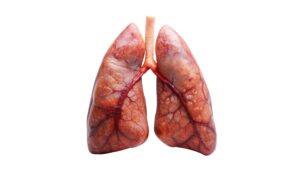
Asthma does not take a vacation when summer arrives. For the millions of Americans living with this chronic respiratory condition, the warmer months can actually mark some of the most challenging weeks of the year. Shifting temperatures, rising humidity, seasonal pollen, and the temptation to stay active outdoors create a perfect storm of triggers that can turn a good day into a frightening one fast.
Understanding what happens to your lungs when the seasons change is the first step toward staying ahead of it.
How hot weather affects asthma differently than you think
There is a common assumption that cold air is the primary enemy of people with asthma, but heat tells a more complicated story. In regions where summer brings both high temperatures and thick humidity, breathing can become genuinely labored for asthma sufferers in ways that dry heat simply does not replicate.
When hot, humid air enters the airways, it can trigger inflammation and narrowing that makes each breath feel like a struggle. The transition between air-conditioned indoor spaces and the heavy outdoor air is particularly jarring for the respiratory system. That sudden shock of stepping from a cool room into suffocating summer heat can be enough to set off a reaction, making it critical for asthma sufferers to carry their prescribed inhaler at all times during warmer months.
Staying cool is not just about comfort. For people managing asthma, it is a genuine health strategy. Limiting prolonged time outdoors during peak heat hours, typically between late morning and mid-afternoon, can significantly reduce exposure to the conditions most likely to cause a flare-up.
Listening to what your body is telling you
One of the most valuable skills an asthma patient can develop is the ability to recognize early warning signs before a full attack takes hold. Not every asthma episode arrives without notice. Many are preceded by subtle signals that the body sends out in the hours before breathing becomes seriously compromised.
Unusual fatigue, a creeping shortness of breath, and a general sense of feeling physically off are all signs worth taking seriously. When these signals appear, it is not the time to push through. Using a prescribed inhaler or completing a breathing treatment at the first sign of symptoms is a far better choice than waiting until the situation escalates. Incorporating a preventive breathing treatment into a weekly or biweekly routine during symptomatic periods adds another layer of protection and is a habit worth building into the warmer months.
Exercising safely when temperatures climb
Physical activity is important for overall health, and asthma does not have to be a barrier to staying active. However, the timing and conditions under which you exercise matter enormously when heat and humidity are factors.
Morning hours before the sun reaches its peak intensity offer the most forgiving conditions for outdoor exercise. Evening hours after sunset are similarly cooler and easier on the respiratory system. Both windows give asthma sufferers the opportunity to walk, run, or train without facing the full burden of midday heat. Keeping an inhaler accessible during any physical activity is non-negotiable, especially for those whose asthma is triggered by exertion.
On days when a heat advisory or extreme humidity warning has been issued, outdoor exercise should be reconsidered entirely. Those days call for indoor alternatives or simply rest.
The asthma and allergy connection in summer
Summer air is thick with more than just heat. Pollen, dust, and other airborne particles peak during the warmer months and can interact with asthma in ways that compound the challenge significantly. For people managing both allergies and asthma simultaneously, the season demands an especially attentive approach to symptom tracking and medication readiness.
Keeping prescribed allergy medications, an inhaler, and any additional emergency treatments within easy reach is essential during high-pollen days. Monitoring local air quality and pollen counts through weather apps or public health advisories gives asthma patients the kind of advance notice that can make the difference between a manageable day and a medical emergency.
Summer should be a season of enjoyment, not one spent dreading the next breath. With the right preparation and a clear understanding of what triggers to watch for, asthma patients can move through the warmer months with confidence and care.