Most acid reflux episodes are preventable. A closer look at what you eat, how you sleep and a few overlooked daily habits can make a measurable difference.
What is actually happening when heartburn strikes
Acid reflux happens when stomach acid travels backward through the lower esophageal sphincter, the muscular valve separating the stomach from the esophagus. When that valve weakens or comes under excess pressure, acid escapes upward and causes the burning sensation most people recognize as heartburn. The condition is extremely common, but the frequency and severity vary widely depending on individual habits, diet and body weight.
The good news is that a significant portion of heartburn cases respond well to lifestyle changes before medication ever enters the picture.
Smoking and heartburn share a direct connection
Smoking is one of the more consistent risk factors for frequent heartburn. Nicotine weakens the lower esophageal sphincter, making it easier for acid to escape. Stopping smoking reduces the frequency of reflux episodes and also benefits overall digestive health. For people who experience heartburn regularly, quitting is among the most impactful changes they can make.
How meal size and food choices shape acid reflux
Large meals put substantial pressure on the stomach and the surrounding valve. Eating smaller portions more frequently throughout the day reduces that pressure and gives the digestive system less to manage at once. The composition of meals matters too. Foods that consistently trigger increased acid production or weaken the esophageal sphincter include fatty meats, fried and spicy dishes, citrus fruits and juices, tomato-based products, chocolate, caffeine, peppermint, excess alcohol particularly red wine, carbonated beverages, chillies, peppers, garlic and onions.
None of those foods are universally off-limits, but people who experience regular reflux tend to notice patterns. Keeping a personal record of which specific foods or combinations precede an attack helps narrow down the real triggers over time.
Reflux prevention and the role of body weight
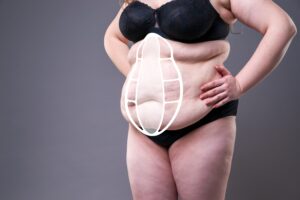
Excess weight increases abdominal pressure, which pushes stomach contents upward toward the esophagus. Research suggests that losing as little as 10% of body weight can produce a noticeable reduction in heartburn symptoms. Maintaining a balanced diet with fresh vegetables, fruits, water and lean proteins like fish supports both weight management and digestive health more broadly.
Timing and position after eating
Lying down immediately after a meal is one of the more reliable ways to provoke reflux. Gravity normally helps keep stomach contents in place, but horizontal positioning removes that advantage. Waiting at least two to three hours after eating before lying down gives the stomach time to begin digestion in a more favorable position.
Sleep position also plays a role. Lying completely flat compresses the stomach against the lower esophageal sphincter. Elevating the head of the bed by a few inches, either by placing blocks under the bed frame or using a wedge-shaped pillow, allows gravity to reduce pressure on the valve throughout the night.
Clothing, stress and the smaller factors that add up
Tight clothing, belts and constrictive waistbands put direct pressure on the abdomen and the esophageal sphincter, particularly after eating. Loosening or avoiding tight-fitting clothes around the midsection after meals is a small adjustment with a real physiological basis.
Stress is also a documented contributor to acid reflux. It affects digestive motility and can increase acid production. Seven to eight hours of sleep per night, along with regular relaxation practices, supports overall digestive regulation and reduces the frequency of stress-related flares.
Heartburn may feel like a minor inconvenience for some people, but for others it significantly affects quality of life. These changes are where most people find the most traction before turning to medication.