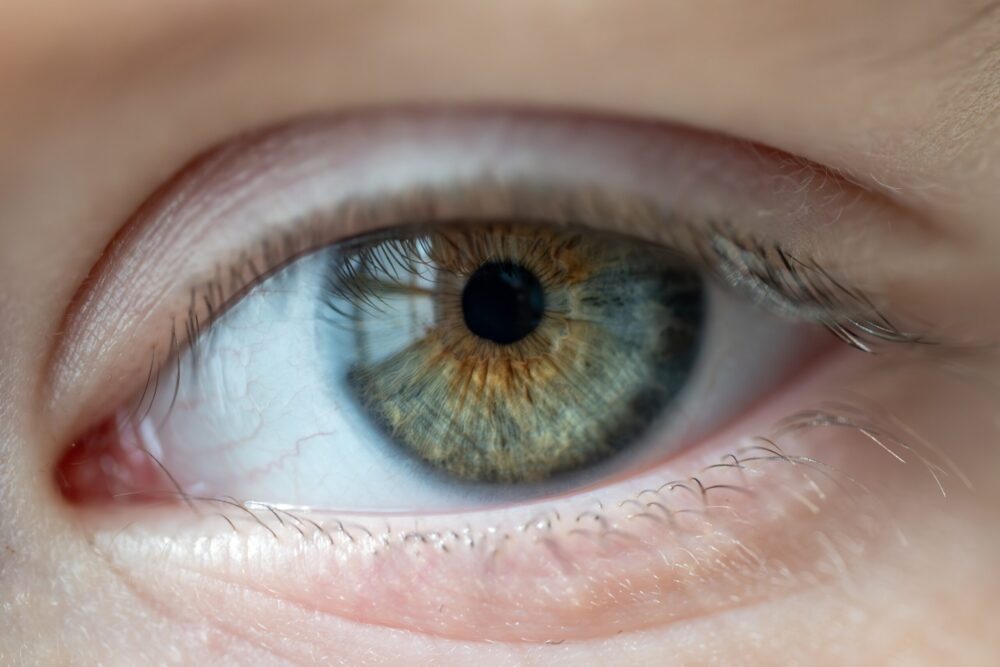
Vision impairment follows a pattern that catches people off guard precisely because it tends to be painless, gradual, and interpreted as normal aging until it has progressed beyond the point of easy reversal. The leading causes of vision impairment in adults, including macular degeneration, glaucoma, diabetic retinopathy, and cataracts, share one feature that makes them particularly dangerous: they are either symptom-free in their early stages or produce changes so gradual that they go unremarked for years. By the time someone notices something is wrong with their sight, the underlying condition has typically been advancing without intervention for a significant period.
The eye is one of the few places in the body where blood vessels and neural tissue are visible without imaging equipment. A trained ophthalmologist examining the retina during a dilated eye exam can see signs of diabetes, hypertension, cardiovascular disease, and neurological conditions including early markers of multiple sclerosis, sometimes before the patient has been diagnosed with these conditions through any other means. The eye is not simply a seeing organ. It is a diagnostic window into systemic health that most people only visit when they notice a problem with sight.
What is driving the rise in vision disease
Several converging forces are expanding the population at risk for serious vision conditions. An aging population means more people moving through the decades in which macular degeneration and glaucoma become most prevalent. Rising rates of diabetes significantly increase the risk of diabetic retinopathy, which is now one of the leading causes of blindness in working-age adults globally. And the dramatic increase in screen time across all age groups is driving a wave of myopia that researchers describe as an emerging global epidemic.
Myopia, or nearsightedness, has increased substantially in prevalence over recent decades, with the sharpest rises in populations with the least time outdoors during childhood and the most time engaged in near-work activities. The concern extends beyond inconvenience. High myopia increases the risk of serious conditions including retinal detachment, glaucoma, and macular degeneration later in life. The single most evidence-supported protective factor identified in pediatric eye research is time outdoors, specifically the exposure to natural light that outdoor environments provide.
Why glaucoma demands attention before it speaks
Glaucoma is often called the silent thief of sight, and the description is earned. In its most common form, primary open-angle glaucoma, elevated intraocular pressure gradually damages the optic nerve over years without causing pain or noticeable vision changes until peripheral vision has already been substantially lost. The damage is irreversible. Detected early through a comprehensive eye exam that includes intraocular pressure measurement and optic nerve evaluation, glaucoma can be managed with drops or laser treatment that halts further progression. Not detected early, it progresses silently toward significant disability.
The populations with the highest rates of undetected glaucoma are also those with the least consistent access to eye care. This disparity produces avoidable vision loss in communities where preventive care is least accessible.
What a proactive approach to vision health actually looks like
Annual comprehensive eye exams for adults over forty, and more frequent exams for anyone with diabetes, a family history of glaucoma, or previous eye conditions, are the foundation of vision preservation. Sunglasses with UV protection reduce cumulative solar radiation exposure that contributes to cataract development and macular degeneration. A diet rich in lutein and zeaxanthin, found in leafy greens and eggs, supports macular health with evidence behind it. Not smoking is one of the most powerful things a person can do for their long-term vision. Each of these steps is simple. The sight they protect is not replaceable. Annual comprehensive exams that include dilated fundoscopy give the clinician a view of retinal blood vessels, the optic nerve, and the macula that cannot be replicated by any other non-invasive means available outside a specialized clinical setting. Using that window consistently is the most practical and most powerful step most people will ever take for their long-term visual health.