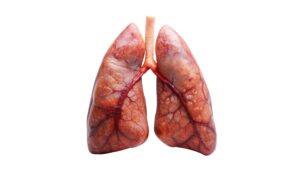
Cancer is not a single disease. It is a vast category of conditions sharing the characteristic of abnormal, uncontrolled cellular growth, and understanding that diversity is part of what makes both prevention and detection so individually consequential, and understanding that diversity is part of what makes both prevention and early detection so important, and so individually consequential. The aggregate statistics on outcomes have improved meaningfully over recent decades, but those improvements are not evenly distributed. They tend to cluster around the cancers where screening is standard, treatment is targeted, and diagnosis happens early enough to meaningfully change the course of disease.
The trend that has captured the most urgent research attention is the rising incidence of cancer in adults under fifty. Colorectal, breast, thyroid, and several gastrointestinal malignancies are all showing increases in younger demographics that challenge the assumption that this disease primarily affects older populations. The reasons are not fully understood, but research points toward cumulative effects of dietary patterns high in ultra-processed foods, sedentary behavior, rising obesity rates, and the biological footprint of environmental exposures across early life.
Why early detection changes everything
The difference between a cancer caught early and one caught late is not simply a matter of treatment intensity. It is often the difference between a survivable disease and one that has become significantly harder to treat. Survival rates for many malignancies vary by a factor of three to five between early-stage and late-stage diagnoses. Screening programs that make early detection routine have produced some of the most dramatic improvements in outcomes from malignant disease observed over the past thirty years.
Colonoscopy for colorectal cancer, low-dose CT for lung cancer in high-risk individuals, and PSA testing as part of informed discussions about prostate cancer have each demonstrated meaningful survival benefits in the populations where they are consistently applied. The challenge is adherence. Screening rates remain significantly below target levels across most cancer types, particularly among populations that face barriers to healthcare access or who have received inconsistent information about the value and timing of screening.
What the body does to prevent cancer naturally
The body conducts ongoing cellular surveillance, identifying and destroying abnormal cells before they can develop into tumors. This process is effective enough that most people experience multiple episodes of cellular abnormality resolved without intervention or awareness. What compromises this surveillance is chronic inflammation, immunosuppression from poor sleep or sustained stress, and cellular damage from repeated exposure to known carcinogens including tobacco smoke and alcohol.
The lifestyle factors most consistently associated with reduced disease risk are also the ones most associated with general health: regular physical activity, a plant-rich diet high in fiber and polyphenols, limited alcohol consumption, maintenance of a healthy body weight, and adequate sleep. These are not alternatives to medical screening. They are the biological context in which screening either catches something early or finds nothing to catch.
The gap between knowing and doing
The information available about disease risk and prevention is more comprehensive and more accessible than at any previous point in medical history. The gap that remains is not informational. It is behavioral and structural. People know smoking causes cancer and continue smoking. They know processed meat increases colorectal disease risk and continue eating it. They know they are due for a colonoscopy and continue deferring it.
Closing that gap requires both individual commitment and systemic support, clearer recommendations, easier access to screening, and a health culture that treats cancer prevention as an ongoing practice rather than a one-time conversation. The disease does not wait for the right moment to arrive, and the most important cultural shift is treating awareness, screening adherence, and lifestyle modification not as responses to a scare but as ongoing practices belonging to every decade of a person’s life, beginning long before the statistical risk curves upward. The body’s surveillance capacity is remarkable. Supporting it consistently and consciously is the most rational investment anyone with a body can make.