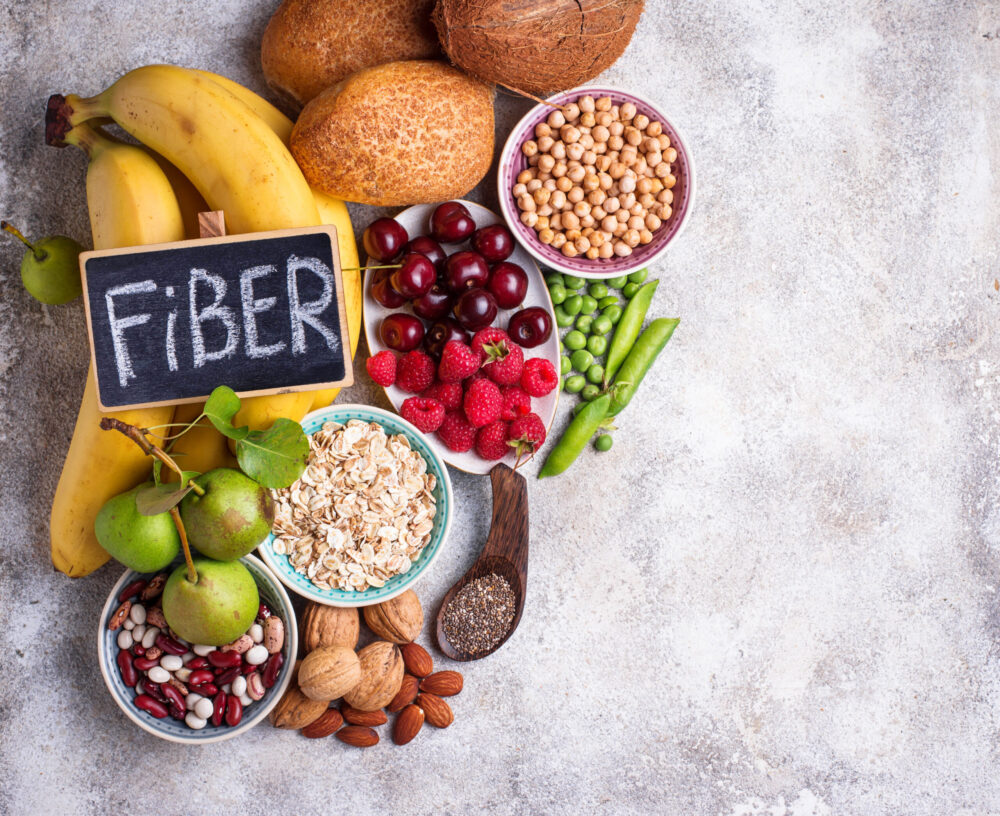
here is something almost rebellious about the idea that the most effective weight loss move in 2026 is not a drug, not a biohacked routine, and not a celebrity-approved cleanse. It is fiber. Plain, unglamorous, often overlooked fiber. And it is having a long overdue moment in the spotlight.
A growing movement called fibermaxxing has taken hold across wellness communities this year, and it is more than just a social media phase. The practice centers on deliberately and consistently increasing dietary fiber through whole foods like legumes, oats, leafy greens, seeds, and fruit. The appeal is not just the simplicity. It is that the science keeps showing up to support it.
What fibermaxxing actually means
Fibermaxxing is not a formal diet. There are no elimination phases or restricted eating windows. The idea is straightforward: eat more fiber, more often, from real food sources. That means building meals around chickpeas, lentils, berries, broccoli, chia seeds, and whole grains rather than treating them as afterthoughts on the plate.
Research published in early 2026 found that people who simplified their eating patterns and stayed consistent with their food choices over a 12-week period lost measurably more weight than those with more variable routines. Predictability, it turns out, is a feature. When the body receives consistent nutritional inputs, appetite hormones respond more reliably, and overeating becomes far less likely.
The gut connection nobody is talking about enough
Fiber feeds the microbiome, and the microbiome influences nearly everything. Gut bacteria that thrive on fiber produce short-chain fatty acids, compounds that help regulate blood sugar, reduce inflammation, and send satiety signals to the brain. When those bacteria are well-fed, hunger becomes less erratic. Cravings flatten out. Energy stays steadier across the day.
This is the weight loss mechanism that does not make headlines because it cannot be packaged into a prescription. It builds slowly, through meals, through habits, through time. But its effect on body weight and metabolic health is increasingly hard to argue with.
Why fiber outperforms most trendy fixes
The appeal of GLP-1 medications like semaglutide is understandable. They work, and for many people they represent a genuine medical breakthrough. But research also shows that people who stop taking them often regain the weight, largely because the underlying habits and gut environment have not changed. Fiber-based approaches operate differently. They restructure appetite over time rather than suppressing it pharmacologically. The results come slower, but they tend to stay.
There is also the matter of accessibility. Fiber-rich foods are among the most affordable in any grocery store. Beans, oats, frozen vegetables, and whole grain bread do not require a prescription or a premium wellness membership. That makes fibermaxxing one of the few weight loss strategies that works across income levels.
What actually sticking to it looks like
The hardest part is not finding fiber. It is building the habit before the novelty wears off. Nutrition researchers consistently find that eating the same core meals on rotation dramatically improves long-term adherence. A grain bowl for lunch three days a week. Oatmeal most mornings. A handful of seeds on the afternoon yogurt. This is not exciting content, but it is effective content for the body.
People who succeed with fiber-forward eating tend to describe a shift that happens around week three or four. Hunger patterns change. The afternoon energy crash softens. The impulse to reach for ultra-processed snacks loses some of its grip. That shift is biological, not willpower.
The bottom line
Weight loss in 2026 is being pulled in many directions. Drugs, apps, wearables, and personalized AI plans are all competing for attention. And some of them genuinely help. But the approach with the longest track record, the broadest scientific support, and the lowest barrier to entry is still the one that starts at the grocery store. Fiber is not glamorous. It is just effective.