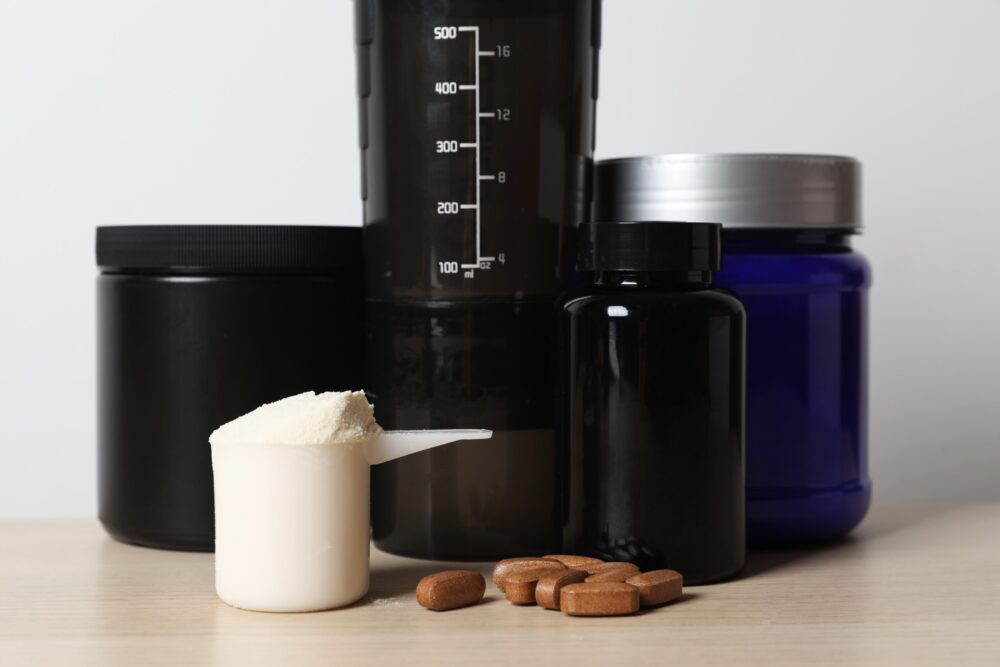
Creatine is one of the most researched supplements on the market, and one of its most talked about side effects is weight gain. For anyone who has just started taking it and suddenly noticed the number on the scale creeping up, the experience can be unsettling. But experts say there’s a lot more nuance to what’s actually happening in the body than most people realize.
The main reason creatine makes the scale go up
The most immediate cause of weight gain when starting creatine has nothing to do with fat. According to sports and performance cardiologists, creatine is stored in skeletal muscle, where it draws water into muscle cells through a process called osmosis. The result is an increase in total body water, which shows up as extra pounds on the scale.
For most people, this translates to roughly 1 to 3 pounds gained in the first one to two weeks of supplementation. Nutrition experts describe it as a predictable physiological response and emphasize that it is not harmful for the majority of users.
A helpful comparison: it works in the opposite direction of what happens when someone starts a low carb diet. With low carb eating, the body depletes stored carbohydrates and sheds water weight quickly. With creatine, muscles hold on to more water instead. After the first few weeks, that water weight tends to plateau, though some degree of increased water within the muscle cells will remain for as long as someone continues taking the supplement.
When weight gain means actual muscle growth
For people who are actively training while taking creatine, some of the weight gain on the scale reflects something more meaningful: real increases in lean muscle mass. This is generally considered the desirable outcome.
Creatine works by improving energy availability in the muscles during short bursts of high intensity activity, such as weightlifting or sprinting. That boost in energy allows people to push slightly harder in training, and over time those small increases in workout volume accumulate into measurable gains. Research has found that people who take creatine while lifting weights gain approximately 2.51 pounds of lean muscle mass compared to those who lift without it.
That kind of weight gain is not a side effect to worry about. It’s the point.
Does creatine add fat to your body?
This is one of the most common misconceptions surrounding the supplement, and the scientific answer is no. Multiple clinical trials examining both short term use of around seven days and longer-term use spanning six months to two years have consistently found no meaningful change in fat mass among creatine users. The research also found no difference in fat percentages between people taking creatine while doing cardio versus those focused on strength training.
So while the scale may go up, fat accumulation is not what’s driving it.
When to actually be concerned
There are scenarios where creatine related weight gain can become a real issue, and they largely come down to lifestyle factors surrounding its use. When creatine is paired with a poor diet or a complete absence of strength training, weight gain can shift toward increased fat mass rather than lean muscle. Doctors recommend pairing creatine with a structured resistance training routine, a balanced diet with adequate protein and consistent hydration, since creatine increases the amount of water the muscles hold.
For people using a high loading dose of around 20 grams per day and not feeling well, scaling back to a maintenance dose of 3 to 5 grams daily is a reasonable approach. That lower range is considered safe for most healthy adults.
It is also worth noting that creatine can cause other side effects including bloating, digestive discomfort and mild increases in blood pressure. Anyone with existing kidney disease or risk factors for it should speak with a doctor before starting the supplement, as the relationship between creatine and kidney health continues to be discussed in research circles, even though recent studies found no adverse kidney effects in healthy individuals.
For most healthy people using creatine responsibly alongside consistent training, modest weight increases are far more likely to reflect improved lean body mass and physical performance than anything worth worrying about.