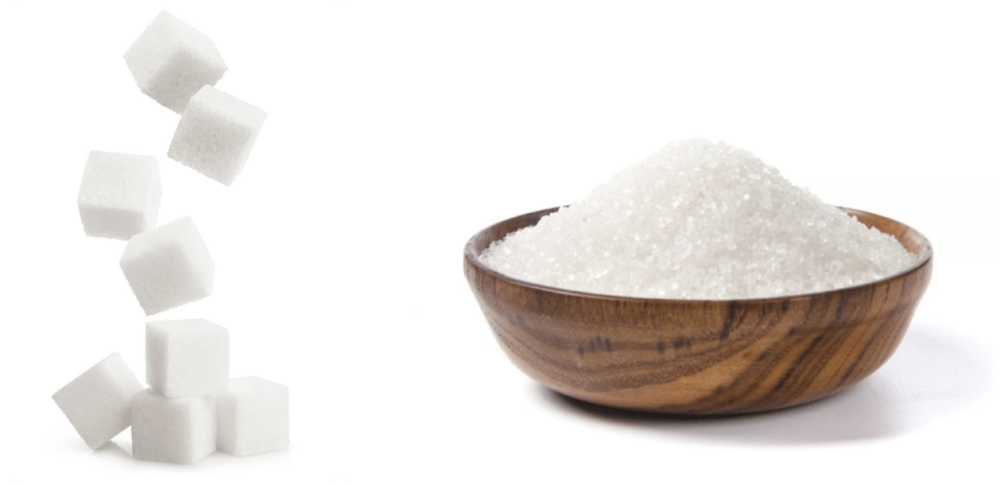
Most people grow up believing that sugar rots teeth. It is the kind of lesson that gets reinforced at home, in school, and in popular culture, often accompanied by the classic classroom experiment of dropping an egg into a cup of soda and watching the shell soften over several days. The implication is clear. Sugar is corrosive. Sugar destroys enamel. Sugar causes cavities.
The reality is more complicated and more interesting. Sugar does not directly cause tooth decay, and the egg experiment, as vivid as it is, actually demonstrates the effect of acid rather than sugar. It is the tangy acids in soda that soften the shell, not the sweetness.
What sugar does do is feed the bacteria already living in your mouth, and those bacteria are the actual source of the problem.
What is actually happening inside your mouth
The human mouth hosts hundreds of bacterial species, but the primary drivers of tooth decay are a handful of specific strains that thrive on carbohydrates. When you eat anything sugary or starchy, which includes bread, fruit, crackers, and countless other everyday foods alongside candy and soda, these bacteria metabolize the carbohydrates and release lactic acid as a byproduct. That acid is what gradually weakens enamel, the hard protective coating on teeth, and eventually creates cavities.
The body does have a natural defense. Saliva works continuously to neutralize the acid in your mouth and restore a healthy pH balance. After eating, it typically takes around 30 minutes for saliva to bring acid levels back to neutral. During that window the mouth is in a more vulnerable state, but under normal circumstances the body manages the process effectively on its own.
The real risk comes not from any single sweet treat but from frequency. People who snack continuously throughout the day or sip on sugary or acidic drinks over long stretches of time never give their saliva the chance to do its job. The mouth stays in a prolonged acidic state, the enamel keeps demineralizing, and the risk of cavities climbs significantly. Historically, cavities existed long before refined sugar became widely available, because the underlying mechanism has always been about repeated exposure to fermentable carbohydrates, not sugar specifically.
When to brush and why timing matters more than you think
One of the less intuitive findings in dental health involves the timing of brushing. The instinct to brush immediately after eating sugar or drinking coffee seems logical, but doing so can actually cause harm. When the mouth is in an acidic state, enamel is temporarily softened by that acid. Brushing at that moment, before saliva has had time to restore the pH balance, can physically wear away the softened enamel rather than protect it.
Waiting 20 to 30 minutes after eating before brushing gives the mouth time to recover. For those moments when brushing cannot wait, rinsing with water is one of the simplest and most effective options available. Water dilutes the acid, slows the demineralization process, and helps the mouth return to a neutral state more quickly without causing any of the mechanical damage that premature brushing can introduce.
Keeping teeth healthy is about habits not just ingredients
The broader takeaway is that oral health is less about eliminating any single food or drink and more about managing patterns of consumption and maintaining consistent hygiene routines. Regular brushing and flossing remove the bacterial plaque that accumulates on teeth and produces the acid responsible for decay. Twice-yearly dental cleanings keep that buildup in check over time. Fluoride rinses and saliva both contribute to remineralizing enamel between visits.
Understanding that sugar feeds the bacteria that produce acid, rather than causing decay directly, is a small but meaningful shift in how to think about what your teeth actually need to stay healthy