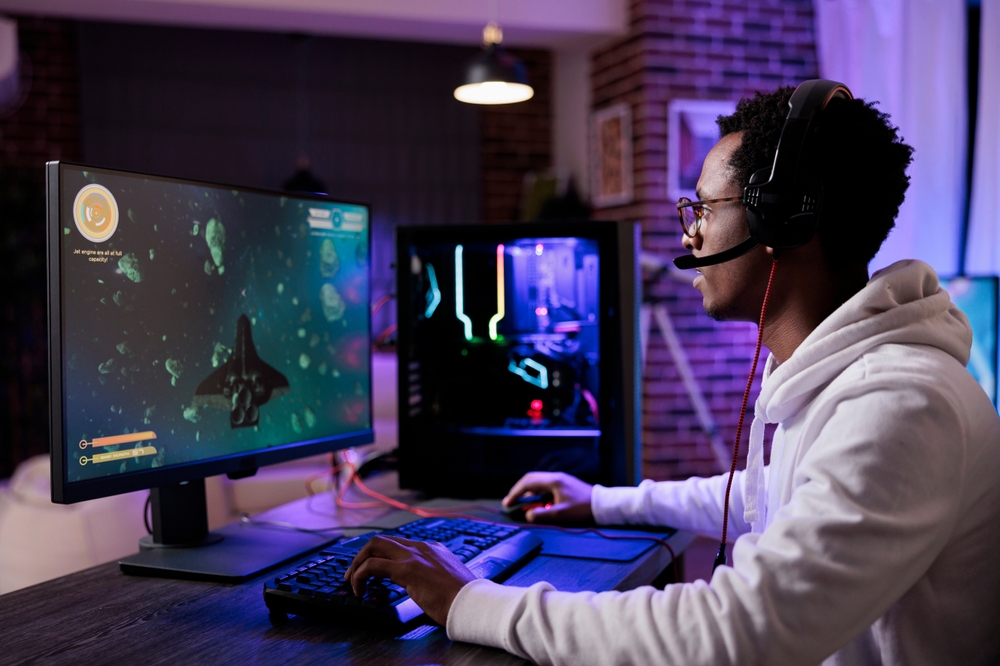
New research suggests that picking up a controller could be one of the most effective — and unexpected — ways to unwind
For years, gaming carried an unfair reputation — a time-waster, a distraction, a habit better left to teenagers. But a growing body of research is quietly dismantling that narrative. For adults navigating the relentless pressures of work, relationships and daily life, gaming is emerging as a surprisingly legitimate tool for stress relief.
The science is catching up to what millions of players have long experienced firsthand. Sitting down for even a short gaming session can meaningfully shift mood, lower anxiety and offer a mental reset that few other activities can match.
What the Research Actually Shows
Multiple studies over the past decade have examined the relationship between gaming and stress reduction in adults. The findings are consistently compelling
- Casual gaming for as little as 20 minutes has been shown to significantly lower cortisol — the body’s primary stress hormone
- Puzzle and strategy games activate problem-solving regions of the brain, redirecting anxious energy into focused thinking
- Multiplayer games foster social connection, which is a proven buffer against chronic stress and loneliness
- Narrative-driven games provide immersive escapism that allows the mind to fully disengage from real-world pressures
- Even competitive gaming, when approached with a healthy mindset, can build resilience and emotional regulation over time
The key distinction researchers continue to emphasize is intentionality. Gaming as a deliberate, time-bounded form of relaxation produces very different outcomes than mindless, escapist overuse.
How Gaming Affects the Brain Under Stress
When the body is under stress, the nervous system shifts into a heightened state of alertness. Gaming — particularly games with clear goals, satisfying feedback loops and manageable challenges — activates the brain’s reward system, triggering dopamine release and gradually easing that tension.
Flow state, a psychological condition where a person becomes fully absorbed in a challenging but achievable task, is frequently achieved during gaming. That state of deep focus is associated with reduced anxiety, improved mood and a temporary but meaningful relief from the noise of daily life.
For adults who struggle to quiet a busy mind through traditional methods like meditation or journaling, it offers an active alternative that achieves a similar mental stillness through engagement rather than quiet.
Not All Games Are Created Equal
The type of game matters. Research points to specific categories that are most effective for stress relief
- Casual and puzzle games — Low stakes, satisfying and easy to pick up and put down
- Simulation games — Offer control, creativity and a sense of calm accomplishment
- Narrative adventure games — Immersive storytelling that transports the mind elsewhere
- Cooperative multiplayer games — Build connection and laughter, both powerful stress relievers
- Rhythm and music games — Combine gaming with the well-documented stress-reducing power of music
High-intensity competitive shooters, by contrast, can sometimes heighten stress rather than relieve it — particularly for players who tie their self-worth to performance outcomes.
Making Gaming Work as a Wellness Tool
The difference between gaming as self-care and a form of avoidance comes down to a few simple boundaries
- Set a timer — 20 to 45 minutes is the sweet spot for stress relief without guilt
- Choose games that match your current emotional state
- Avoid relying on it as the only stress management tool in your routine
- Treat it like any other wellness habit — intentional, consistent and balanced
It does not need to replace exercise, sleep or meaningful social connection. But as one component of a well-rounded approach to mental wellness, it holds far more power than most people give it credit for.
The Controller as a Coping Tool
The stigma around adult gaming is fading — and for good reason. What was once dismissed as childish escapism is now being recognized as a genuinely effective way to decompress, reconnect with joy and give an overworked mind the break it desperately needs.
The research is clear. The controller, it turns out, might be one of the most underrated stress-relief tools sitting in plain sight.