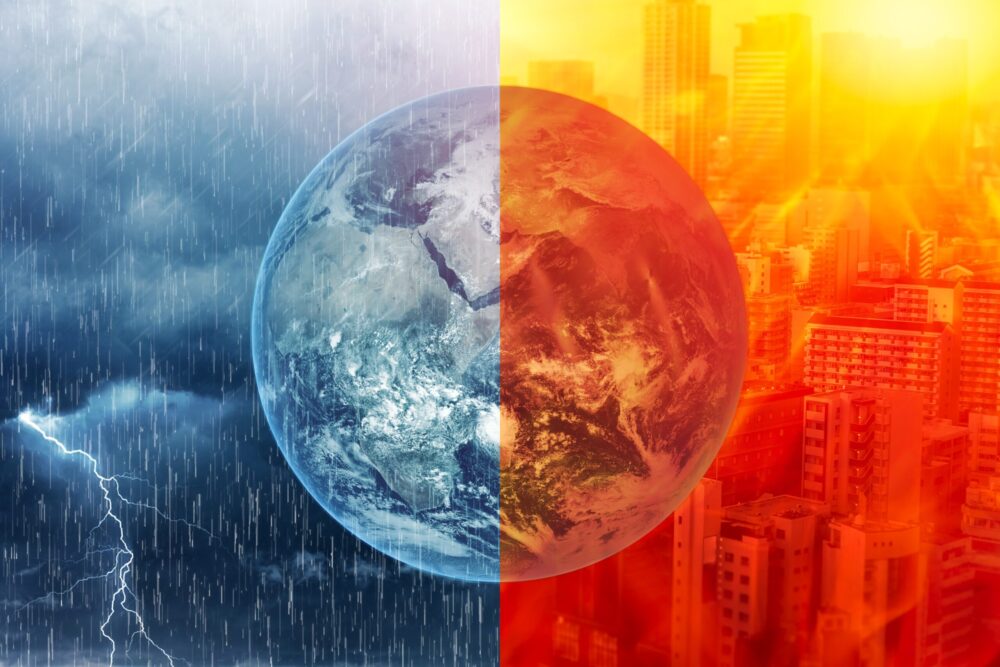
Most people instinctively brace for heatwaves or bitter cold, but a growing body of science suggests that fixating on temperature alone tells only half the story. Humidity, long treated as a background discomfort, is now emerging as a serious amplifier of weather-related health risks. A new study published in Scientific Reports confirms what researchers have long suspected: the combination of temperature and moisture in the air poses a significantly greater threat to human health than either factor alone, and climate change is poised to make that threat far more common.
What the research actually found
The study examined roughly 2.46 million emergency ambulance dispatch records collected from 13 major cities across China between 2013 and 2019. Researchers cross-referenced those records with daily temperature and humidity readings, while also accounting for air pollution variables including fine particulate matter, ozone, and sulfur dioxide.
What emerged was striking. The relationship between temperature and ambulance calls followed a U-shaped curve, with both extreme heat and extreme cold driving surges in emergency responses. But when humidity was layered into the analysis, the risks climbed even higher across every scenario tested.
Four compound categories were identified: warm-wet, warm-dry, cold-wet, and cold-dry. Every single one of them produced greater health risk than temperature-driven exposure alone. Cold-dry conditions carried the highest measured risk, followed closely by warm-wet conditions. The study found that temperatures did not need to reach extreme levels to become dangerous when paired with unfavorable humidity. That finding alone challenges how public health systems currently issue weather alerts.
Climate change and the shifting risk landscape
Using 12 global climate models and multiple future emissions scenarios, researchers projected how these compound weather events will evolve in the coming decades. The outlook is concerning. Compound temperature-humidity events are expected to become more frequent and cover larger geographic areas, particularly under high-emission trajectories.
The southeastern and central regions of China, already warm and humid, historically recorded between 20 and 40 such compound events per year. Under the most aggressive warming scenarios, that number is expected to climb considerably. Ambulance dispatches linked to compound events are projected to peak around the middle of this century before tapering off, though the composition of risk will shift. Heat-related events, especially warm-wet conditions, are expected to dominate, while cold-related risks gradually decline.
Who faces the greatest danger
Age plays a decisive role in determining vulnerability. Adults aged 80 and older faced the steepest risk during warm-wet events. Those between 60 and 79 also showed elevated sensitivity to heat-humidity combinations. Younger and middle-aged adults were more exposed during cold-wet conditions, though children under 17 and the oldest age groups also showed increased sensitivity during those periods.
This variation across age groups underscores the need for tailored public health responses rather than blanket weather warnings.
A call to rethink how we measure risk
The study makes a clear argument: single-variable temperature thresholds are not sufficient for protecting public health in a warming world. Humidity must be incorporated into early warning systems, heat action plans, and emergency preparedness frameworks.
As climate change continues reshaping weather patterns globally, the interaction between heat, cold, and moisture will define some of the most pressing health challenges of this century. The science is now pointing toward a more complete picture, and public policy needs to catch up.