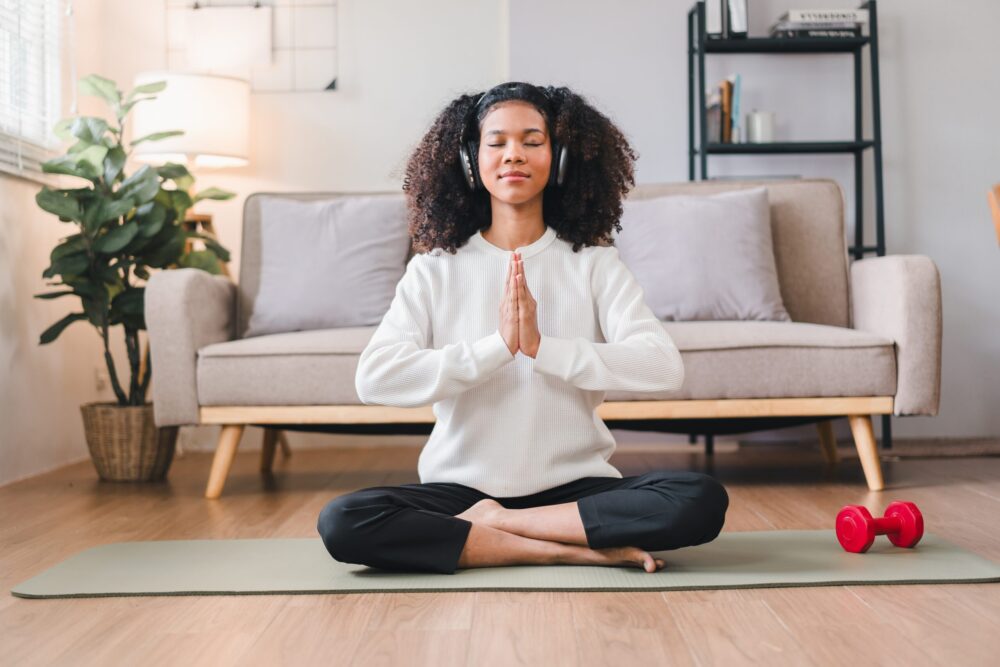
When most people picture a yoga class, they imagine a quiet room, soft lighting and a group of people resting in Child’s Pose. But depending on the style, yoga can be far more physically demanding than that and it raises a fair question: can a dedicated yoga practice alone satisfy everything your body needs to stay healthy?
Fitness professionals say the answer is more nuanced than a simple yes or no, and it largely depends on the type of yoga, how often you practice and what your personal health goals are.
What the exercise guidelines actually say
The Physical Activity Guidelines for Americans recommend at least 150 to 300 minutes of moderate intensity aerobic activity per week, or 75 to 150 minutes of vigorous-intensity aerobic exercise plus muscle-strengthening activity targeting all major muscle groups at least two days per week.
The good news is that yoga, practiced consistently and intentionally, can come close to checking those boxes. A daily Hatha or Vinyasa style practice of at least 30 minutes would likely meet the minimum recommendations for most adults. Shorter sessions practiced three to five times per week can also begin to produce noticeable physical and mental benefits over time.
Not all yoga is created equal
- Hatha yoga is among the most common styles in the United States and serves as the foundation for several popular offshoots, including Ashtanga, Vinyasa, Iyengar and Power yoga. These styles involve flowing through physical postures and tend to offer the most well rounded fitness benefits.
- Hot yoga follows a similar structure to Hatha but is practiced in a room heated between 85°F and 105°F. Styles like Bikram, Baptiste and Forrest yoga fall under this category and can significantly elevate heart rate and calorie burn.
- Kundalini yoga incorporates breathwork, chanting and meditation alongside movement, making it a more spiritually focused practice.
- Yin and restorative yoga are slower paced and designed for deep stretching and recovery. Some restorative classes are specifically tailored for people managing trauma related conditions like post-traumatic stress disorder.
- Vinyasa yoga, with its continuous, flowing sequences, is particularly effective for building cardiovascular endurance and muscular strength simultaneously.
Where yoga has its limits
While yoga covers a lot of ground, it does not fully address pulling strength movements think rows and pull ups nor does it build fast twitch muscle fibers or allow for the kind of progressive overload that traditional strength training provides. For people whose goals include significant muscle growth or major athletic performance gains, supplementing yoga with weightlifting or other resistance training would be beneficial.
For those focused primarily on weight loss, the style of yoga matters considerably. A gentle, restorative practice is unlikely to create the caloric demand needed to move the scale, whereas a vigorous Vinyasa session practiced regularly could contribute more meaningfully to that goal.
That said, research consistently shows that physical activity benefits health independent of weight loss and yoga delivers on multiple fronts, including reduced chronic inflammation, improved cardiovascular fitness, better sleep and measurable improvements in symptoms of anxiety, depression and stress.
4 ways to make your yoga practice more effective
Make it a habit. Aiming for five 30-minute sessions per week gives the body enough consistent stimulus to build strength, mobility and the mental benefits yoga is widely known for. Shorter, more frequent sessions tend to be more effective than one or two long sessions per week, especially for beginners.
Use props without shame. Blocks, straps and bolsters are not signs of weakness they help practitioners get into postures more safely and, in many cases, more deeply. Using them correctly can actually make certain poses more challenging, not less.
Add variety. Switching up the instructor, the time of day or even the style of yoga prevents plateaus and keeps motivation high. Virtual classes, yoga apps.
Listen to your body. Yoga looks and feels different from one day to the next, and what works on Monday may not be appropriate on Friday. Rather than simply mirroring an instructor’s movements, paying close attention to how each pose feels allows for a more honest and sustainable practice.
The bottom line
Yoga is one of the most adaptable and accessible forms of exercise available, and for many people it can serve as a complete fitness program provided the right style is chosen and practiced consistently. The key is matching the type of yoga to personal goals, committing to regular sessions and understanding that results build gradually over time rather than overnight.