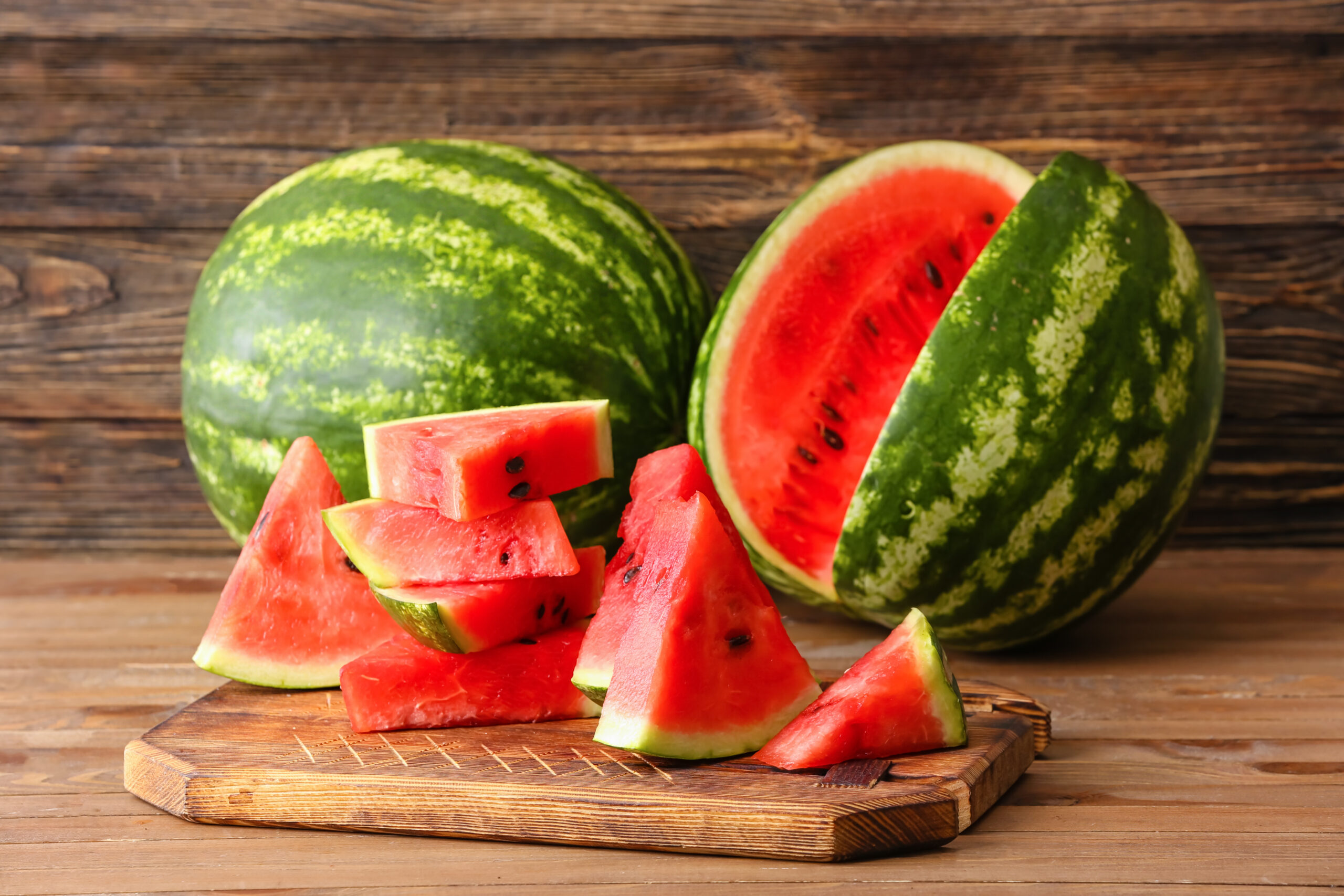
Few things feel as satisfying on a hot afternoon as a cold slice of this beloved fruit. Its vibrant red flesh, crisp bite and natural sweetness have made it a fixture at picnics, backyard cookouts and beach outings for generations. But what most people reach for out of habit or craving is quietly one of the more impressive fruits in terms of nutritional value, offering a range of health benefits that go well beyond simple refreshment.
Watermelon is composed of more than 90% water, making it one of the most hydrating foods available outside of drinking water itself. It contains natural electrolytes that help the body recover after physical activity or prolonged time in the heat. That combination of high water content and essential nutrients makes it a smart, light choice that fits comfortably into a well-rounded diet at any time of year, not just during the warmer months when it tends to get the most attention.
Watermelon nutrition and its impact on the body
One of its most distinctive nutritional qualities is lycopene content. This fruit contains more lycopene than any other commonly consumed variety, and that distinction carries real health significance. Lycopene is a potent antioxidant associated with a reduced risk of heart disease and certain cancers. It is the compound responsible for the fruit’s deep red color, and its concentration in this particular fruit is higher than in tomatoes, which are more commonly associated with the nutrient.
Alongside lycopene, it delivers beta-carotene, which helps protect cells from the kind of oxidative damage caused by unstable molecules that form naturally in the body over time. Beta-carotene also converts to vitamin A in the body, supporting eye health, skin integrity and immune function. The fruit is additionally a reliable source of vitamin C, fiber, potassium and magnesium. Potassium and magnesium work together to support healthy blood pressure and proper muscle function, making this fruit particularly useful for active individuals. Phytochemicals found throughout the flesh and rind further contribute by strengthening the immune system and offering cellular protection that compounds over time with regular consumption.
Can watermelon support weight management
For anyone keeping an eye on their calorie intake, this fruit earns its reputation as one of the most weight-friendly foods available. A single cup of diced serving contains fewer than 50 calories, roughly 0.6 grams of fiber and just under a gram of protein. It is filling without being heavy, largely because water and fiber are two of the primary drivers of satiety, that sense of being comfortably full without having overeaten. Eating a generous portion does not come with the caloric cost that most satisfying foods carry.
That combination makes it a genuinely practical option for people who want something satisfying between meals or alongside lighter fare. It delivers volume and sweetness without the sugar load of processed snacks, and its high water content means the body registers it as more filling than its calorie count would suggest.
How much sugar does it actually have
Despite its natural sweetness, this fruit carries less sugar per serving than many other popular options. Mangoes, grapes, cherries and pears all rank higher in sugar content by comparison, which surprises most people who assume that something this sweet must be high in sugar. A typical slice contains around 17 grams, which is worth keeping in mind if portions run particularly large, but is still well within a reasonable range for most healthy diets.
Its sweetness also makes it remarkably versatile in the kitchen. It pairs easily with savory ingredients like feta cheese and fresh mint in salads, adding a refreshing contrast that keeps the combination from feeling heavy. It works well in infused water, offering a flavorful and visually appealing alternative to sugar-sweetened drinks. Blended into smoothies or frozen into popsicles, it holds its flavor well and delivers the same nutritional benefits in a different form. Keeping a pre-cut bowl in the refrigerator is one of the easiest ways to make healthy snacking the default choice rather than an afterthought.
Eating it every day
Consuming fruit in abundance is generally preferable to avoiding it, and this holds true for watermelon as much as any other variety. That said, it works best as part of a varied diet rather than a standalone staple. Relying too heavily on any single food, even a highly nutritious one, can limit the range of nutrients the body receives and crowd out ingredients that offer what this fruit cannot.
It shines brightest when it plays a supporting role, rounding out meals and snacks while contributing meaningful hydration, antioxidants and micronutrients. For people managing blood pressure, recovering from exercise or simply trying to eat more whole foods without sacrificing enjoyment, few additions to the weekly grocery run offer as much return for as little effort. Used consistently and thoughtfully, it is not just a seasonal indulgence but a genuinely valuable part of eating well throughout the year.