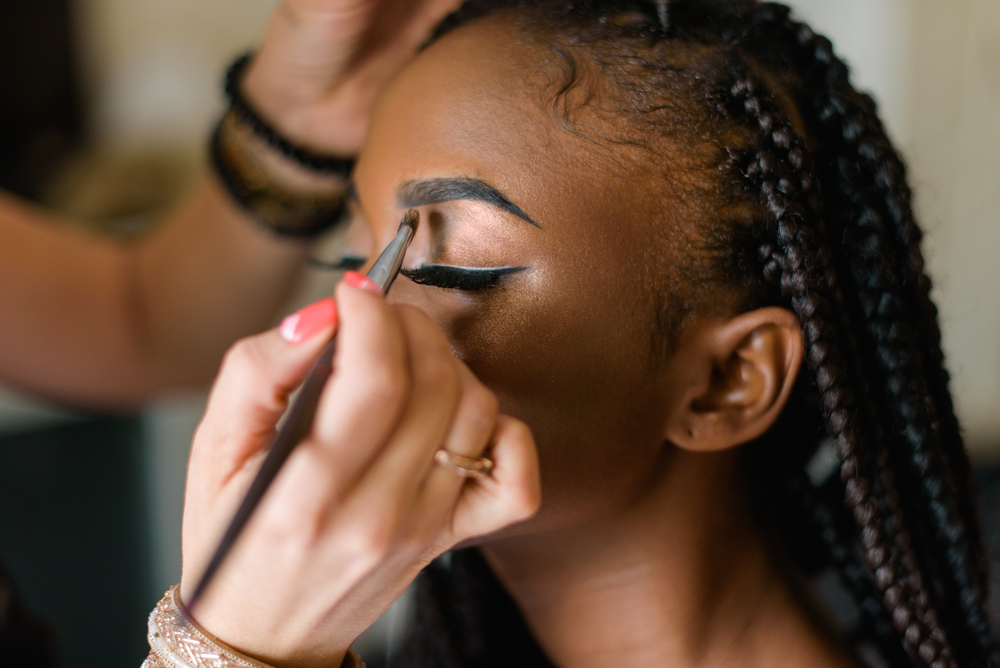
The simple act of applying makeup goes far deeper than beauty — it rewires how women feel about themselves, one brushstroke at a time.
There is something quietly revolutionary about standing in front of a mirror, brush in hand, and choosing to show up for yourself. For millions of women, a makeup routine is not just a morning habit — it is a transformative act of self-care that carries real, science-backed psychological power. Researchers, therapists, and everyday women are increasingly confirming what many have long felt— makeup is a confidence ritual, and its benefits reach far beyond the surface.
Makeup and the Science of Feeling Good
The The connection between beauty routines and emotional well-being is no longer anecdotal. A 2024 study found that light application stimulates neurotransmitters including serotonin and dopamine — creating feelings of pleasure, control, and emotional balance. These are the brain’s primary mood regulators, and activating them through a daily ritual can genuinely shift how a woman enters her day.
Research also shows that cosmetics positively influence the autonomic nervous system, decreasing heart rate and lowering cortisol — the body’s primary stress hormone. The calm that settles in during a morning routine is not imagined. It is physiological. A Journal of Cosmetic Science study backed this up, finding that 85% of women report feeling more confident while using it.
The Ritual as Self-Expression
Beyond the biochemistry, makeup carries deep identity-driven significance. Studies confirm that women wear makeup to reflect a preferred identity and satisfy their need for self-expression — and that confidence is directly tied to products that feel personally meaningful.
For many women, picking up a liner or blending a shadow is not about covering up. It is about showing up — stepping into a version of themselves that feels intentional and grounded. That sense of control matters deeply, especially during periods of stress or uncertainty. One researcher described makeup as providing a calm space that makes people feel closer to themselves — an external reflection of internal strength.
Confidence That Follows You Everywhere
The confidence that makeup builds does not stay at the mirror. It follows women into boardrooms, classrooms, and social gatherings. Studies have linked makeup usage to improved social interactions, with women who wear it being perceived as more competent and higher in social standing.
The real-world impact is well documented
- Researchers from Harvard Medical School found that female students who wore makeup during exams scored higher grades than those who did not.
- Makeup has been shown to help women address insecurities and promote a more positive body image across diverse social settings.
- Women who feel confident in their appearance are more likely to engage actively, express themselves openly, and connect with others with greater ease.
When women feel good, they perform better — and makeup is one of the tools that gets them there.
A Daily Dose of Mindfulness
One of the most underrated aspects of a makeup routine is its power as a mindfulness practice. The focus required to apply a precise wing, the sensory engagement of textures and colors, the intentional pause before the day begins — these mirror techniques used in therapeutic settings.
Beauty rituals encourage presence, requiring full attention and reducing stress. They also provide structure, which fosters stability and eases anxiety. Carving out even ten minutes for a makeup routine sends a powerful message to the brain— your well-being is worth protecting.
Inclusivity Is Rewriting the Rules
The confidence–beauty connection is not one-size-fits-all — and the industry is finally catching up. Products now cater to a wide range of skin textures, tones, and preferences, helping women find options that genuinely resonate with who they are.
This shift is more than commercial — it is cultural. When women can find products formulated specifically for their skin, the confidence that follows is deeper and more authentic. Industry analysts said that beauty and wellness have become so interconnected that younger consumers now see it as a core part of their emotional well-being strategy.
The message is clear— when approached with intention, is not vanity — it is vitality. It is the daily declaration that a woman’s joy, confidence, and sense of self are worth every single brushstroke.