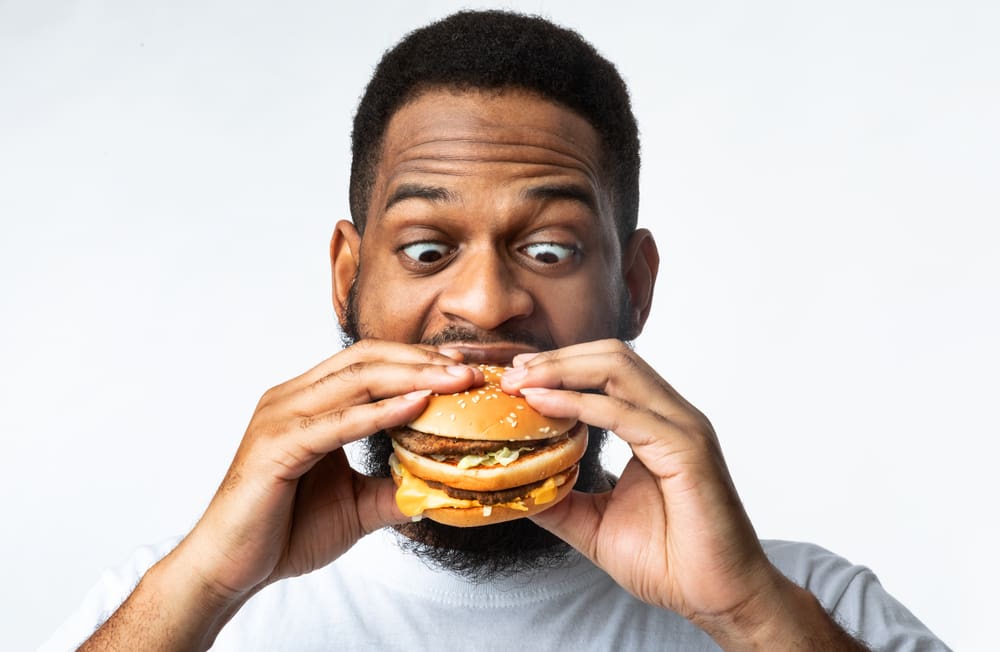
Eating habits shape biological aging more directly and more powerfully than most people appreciate. Every meal is either contributing to the cellular environment that supports healthy aging or accelerating the processes that drive it in the opposite direction. The eating habits that age the body fastest are not always the obviously indulgent ones. Many of them are normalized features of modern eating culture that most people never think to question.
Understanding which eating habits carry the greatest aging cost allows for targeted and meaningful change without the overwhelming overhaul that most dietary advice implies. The five patterns below are among the most consistently documented accelerators of biological aging in the nutritional research, and each of them is more common and more correctable than most people assume.
1. Eating in a chronic state of inflammation through processed food dominance
A diet dominated by ultra-processed foods creates a state of chronic low-grade inflammation that is one of the most well-documented drivers of accelerated biological aging. Processed foods contain combinations of refined carbohydrates, industrial seed oils, artificial additives, and emulsifiers that activate inflammatory pathways continuously and persistently. Research on inflammatory diets and biological aging consistently finds that people whose diets score highest on inflammatory indices show measurably older biological ages, shorter telomeres, and higher rates of age-related disease than those whose diets score lowest, regardless of caloric intake or body weight.
2. Skipping protein consistently and losing muscle with every passing year
Inadequate protein intake is one of the most quietly damaging eating habits for biological aging, particularly after the age of 40 when muscle protein synthesis becomes less efficient and the consequences of protein insufficiency accelerate. Muscle mass is one of the strongest predictors of longevity and functional independence, and its loss through sarcopenia is significantly accelerated by consistently low protein intake. Research finds that most adults consuming typical modern diets are consuming meaningful less protein than the amounts associated with optimal muscle preservation, metabolic health, and immune function across aging.
3. Eating too quickly and overwhelming the body’s satiety signaling system
This particular eating habit has measurable consequences for metabolic health, gut function, and the hormonal systems that govern appetite and satiety. Eating too quickly overwhelms the body’s satiety signaling system, which requires approximately twenty minutes to communicate fullness from the gut to the brain. Chronic overeating driven by rapid consumption promotes insulin resistance, metabolic dysfunction, and the kind of persistent energy surplus that accelerates fat accumulation and the inflammatory processes associated with faster biological aging. Research on eating pace and metabolic health finds meaningful differences in insulin sensitivity and satiety hormone function between fast and slow eaters consuming identical meals.
4. Consuming excess sugar regularly and accelerating cellular damage
Added sugar consumed in excess drives a process called glycation, in which sugar molecules bind to proteins and fats throughout the body in ways that impair their function and produce inflammatory byproducts called advanced glycation end products. These compounds accumulate in tissues over time and are directly associated with the visible and invisible signs of accelerated aging, including skin damage, arterial stiffening, cognitive decline, and increased disease risk. Research on sugar consumption and biological aging consistently finds that higher added sugar intake is associated with measurably older biological age, with effects that are independent of total caloric intake.
5. Eating without adequate fiber and starving the microbiome daily
This common eating habit is the primary fuel source deprivation for the beneficial bacteria that maintain gut microbiome health, and its consistent absence from the diet produces a gradual but significant shift in microbiome composition toward bacterial populations associated with inflammation, impaired immune function, and accelerated aging. Research on dietary fiber and longevity finds that fiber intake is one of the strongest dietary predictors of healthy aging and reduced all-cause mortality in large population studies, yet the vast majority of adults consuming modern diets fall significantly short of recommended intake levels every single day. Changing this one eating habit alone can produce measurable improvements in gut health, immune function, and inflammatory markers within weeks of consistent implementation.