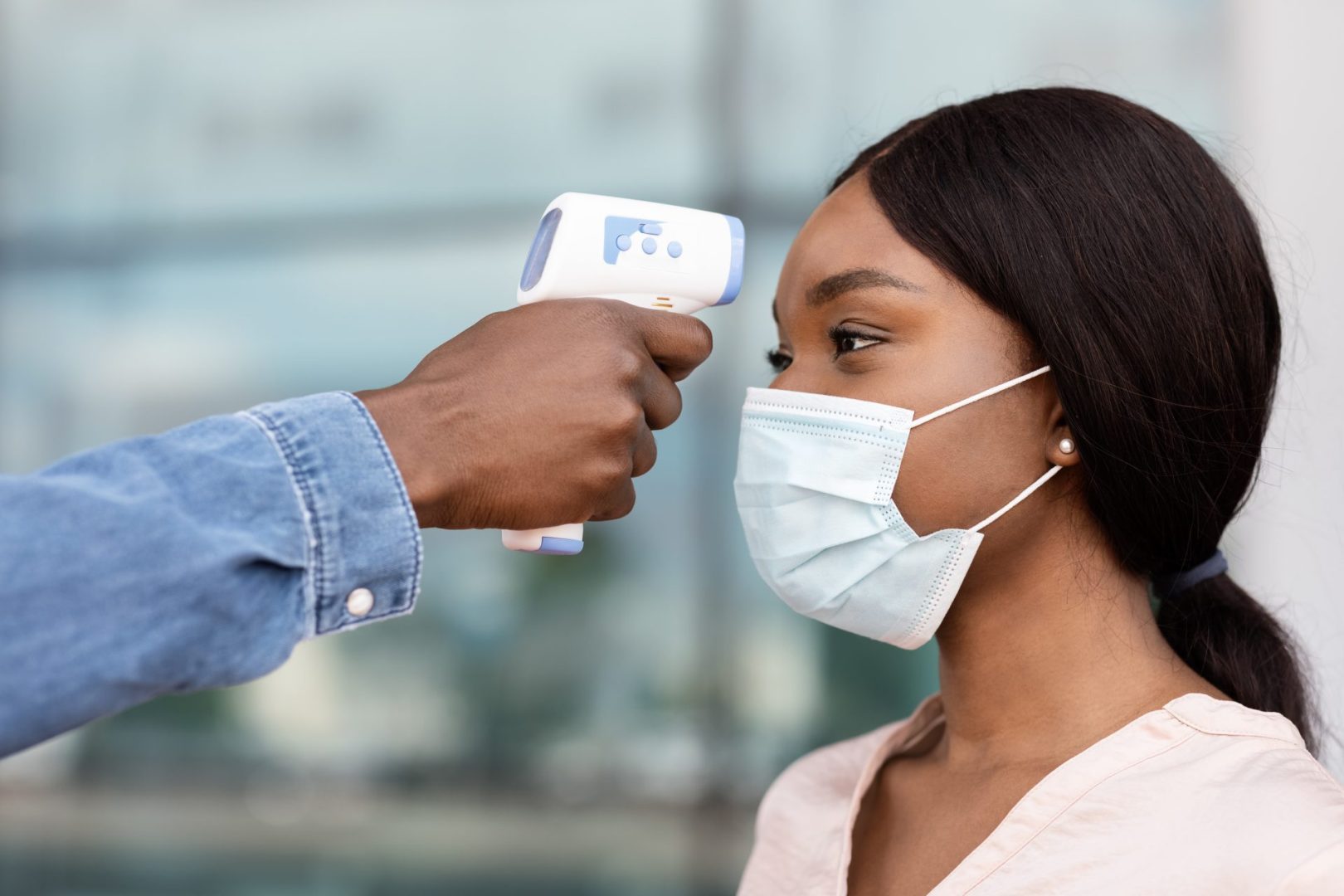
Most people carry the same piece of health knowledge from childhood into adulthood, that normal body temperature is 98.6 degrees Fahrenheit. It is a number taught in schools and printed on thermometer packaging, and it has become so embedded in our understanding of health that questioning it feels almost counterintuitive. But experts in infectious disease and preventive medicine have long known that the picture is far more nuanced, and that what is normal varies meaningfully from person to person and across the span of a lifetime.
The reality is that a single universal standard does not exist. What matters more than any fixed number is understanding your own baseline and recognizing when something has shifted from it.
What actually shapes your body temperature
Several variables influence where your temperature lands at any given moment, and none of them are unusual. The time of day is one of the most consistent factors. Human body temperature tends to run about one to one and a half degrees lower in the morning than it does in the late afternoon or evening, which also helps explain why fevers often feel worse as the day progresses.
Where the measurement is taken also matters. Readings from the mouth, armpit and inner ear are not identical, even when taken moments apart. Peripheral areas like the hands and feet naturally run cooler than the body’s core, where internal organs are clustered and warmth is more concentrated.
For women of childbearing age, the menstrual cycle introduces additional variation. Temperature rises slightly around ovulation, a predictable shift that fertility tracking methods have relied on for decades. Physical activity temporarily elevates temperature, as does exposure to hot or cold environments, particularly readings taken at skin level.
How aging changes the baseline
After age 65, the body’s average temperature tends to drop by approximately one to one and a half degrees. This happens because the inflammatory response that helps the body fight infection gradually weakens with age, and the mechanisms that regulate temperature become less efficient. The result is a lower resting baseline and a reduced capacity to generate the kind of fever response that younger people produce when sick.
This shift has real clinical implications. The standard threshold used to define a fever, 100.4 degrees Fahrenheit or higher, was not designed with older adults specifically in mind. An elderly person whose temperature climbs to 100 degrees may in fact be running a meaningful fever relative to their own baseline, even though the number falls below the conventional threshold. In some cases, particularly in nursing home residents or those who are immunocompromised, a serious infection can be present with no detectable fever at all, manifesting instead as confusion, fatigue or a general decline in function.
What a healthy range looks like by age
As a general reference, children and adults under 65 typically fall within a range of 97 to 99.5 degrees Fahrenheit, with minor variation between men and women and across the menstrual cycle. Adults over 65 tend to have a lower baseline, generally in the range of 96.5 to 98.5 degrees. That lower ceiling means the warning signs of illness can be subtler and easier to miss.
When to contact a doctor
The most important takeaway from understanding these variations is that temperature changes should be interpreted in the context of what is normal for the individual rather than against a universal standard. For older adults, those who are immunocompromised or anyone taking medications that suppress the inflammatory response, even a modest rise in temperature deserves attention.
Reaching 100 degrees Fahrenheit is a reasonable threshold for contacting a healthcare provider if you are in one of these groups, even though it sits below the conventional fever definition. Waiting for a higher number to appear may mean waiting too long. Paying attention to changes from your own usual baseline, rather than relying solely on the number printed on the box, is the more reliable and potentially more protective approach.