Your toothbrush alone is not enough — what you skip every day may be doing far more damage than you think.
Most people believe they have their oral care routine figured out. Brush twice a day, maybe rinse, done. But dentists consistently see the same preventable problems walk through their doors — gum disease, enamel erosion, persistent bad breath — in people who swear they are doing everything right. The truth is, a few silent habits may be quietly undermining every good intention.
Good oral care is not complicated, but it is more nuanced than the basics most people learned as kids. And the stakes go beyond a bright smile. Research increasingly links poor oral health to serious systemic conditions including heart disease, diabetes, and respiratory illness. What happens in the mouth does not stay in the mouth.
The Oral Care Steps Most People Skip
Brushing gets all the credit, but it only cleans about 60 percent of tooth surfaces. The rest — the tight spaces between teeth and along the gumline — are left untouched without flossing or an interdental brush. Mouthwash adds another layer of protection, reaching areas that bristles and floss miss entirely.
A complete oral care routine looks like this
- Brush for two full minutes — most people stop at 45 seconds without realizing it
- Floss once daily — before brushing, not after, so loosened debris gets swept away
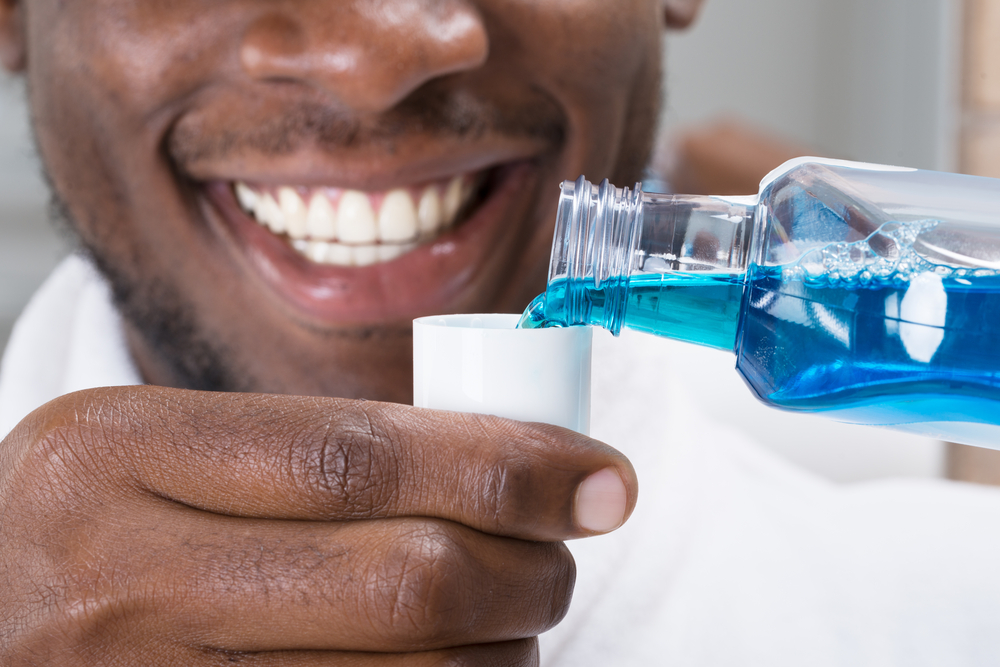
- Use an antibacterial mouthwash — swish for 30 to 60 seconds to reduce plaque and bacteria
- Scrape your tongue — a major source of odor-causing bacteria that brushing alone does not address
- Stay hydrated — a dry mouth accelerates bacterial growth and enamel breakdown
Why Mouthwash Deserves More Credit
Mouthwash is often treated as optional — a breath freshener at best. But an antibacterial or fluoride rinse does real clinical work. It reduces the bacterial load in the entire mouth, strengthens enamel, and helps prevent gingivitis when used consistently. The key word is consistently. A once-in-a-while rinse before a social event is not oral care. It is cosmetic.
Not all mouthwashes are created equal. Alcohol-based formulas can dry out the mouth over time, which ironically creates conditions that worsen bad breath. Alcohol-free options with antibacterial agents like cetylpyridinium chloride or chlorhexidine are generally more effective for long-term oral care — and far gentler on sensitive gum tissue.
The Foods and Habits Quietly Damaging Your Teeth
Diet plays a massive role in oral health that most people significantly underestimate. Sugary drinks are the obvious culprit, but acidic foods — citrus, vinegar-based dressings, sparkling water — erode enamel just as aggressively. The damage is cumulative and largely invisible until it is not.
Habits that silently harm oral care include
- Brushing immediately after acidic meals — wait at least 30 minutes to avoid scrubbing softened enamel
- Using a hard-bristled toothbrush — medium or soft bristles clean just as effectively with far less abrasion
- Skipping the dentist — professional cleanings remove tartar that no home oral care routine can address
- Mouth breathing during sleep — dries out protective saliva and raises cavity risk overnight
What Gum Health Is Really Telling You
Bleeding gums are not normal — even though a significant portion of adults have come to accept it as part of their routine. Bleeding is the mouth’s signal that inflammation is present, and inflammation left unchecked progresses from gingivitis to periodontitis, a condition linked to tooth loss and broader health complications.
The encouraging part is that early-stage gum disease is almost entirely reversible with consistent oral care. More frequent flossing, an antibacterial rinse, and a professional cleaning can turn the tide within weeks. The gums are resilient — but only if given the tools to heal.
Building an Oral Care Routine That Actually Works
The best oral care routine is the one that gets done every single day. Complexity is the enemy of consistency. Start with what is manageable, then build
- Morning— brush, tongue scrape, mouthwash rinse
- After meals— water rinse if brushing is not possible
- Night— floss, brush, mouthwash — in that order
- Every six months— professional cleaning, no exceptions
Oral care is one of the few areas of health where small, daily effort delivers outsized returns. The investment is minutes. The payoff is a lifetime of fewer cavities, healthier gums, and a smile that does not need a filter.