Unlocking your self through creative self-expression may be the boldest, most healing move you make this year. For many, this creative act acts as a form of medicine and a crucial, non-vain means of survival
There is something quietly revolutionary about the act of creating — painting your nails a color no one expected, wearing lipstick in a shade that makes people look twice, or picking up a brush and letting emotion spill onto canvas. For millions of people, creativity is not a hobby. It is medicine.
Mental health professionals have long pointed to the therapeutic benefits of expressive arts. But what the research increasingly confirms is something many communities have known intuitively for generations — that self-expression is not vanity. It is survival.
Why Self-Expression Heals
When words fall short, the body and imagination often speak louder. Art therapy, music, dance, and even bold fashion choices activate regions of the brain associated with emotional regulation and stress relief. The act of creating something — anything — signals to the nervous system that it is safe to feel.
Studies show that engaging in creative activities can
- Lower cortisol levels, the hormone most directly linked to stress
- Reduce symptoms of anxiety and depression
- Strengthen a sense of identity and personal agency
- Build emotional resilience over time
- Foster connection with others through shared expression
These are not small wins. For communities that have historically faced barriers to traditional mental health care, expressive outlets can serve as a critical first line of support.
The Body as a Canvas
Some of the most powerful acts of self-expression require nothing more than what you already carry. The way you choose to adorn your body — your hair, your clothing, your makeup, your nails — is a language. It communicates joy, grief, defiance, celebration, and everything in between.
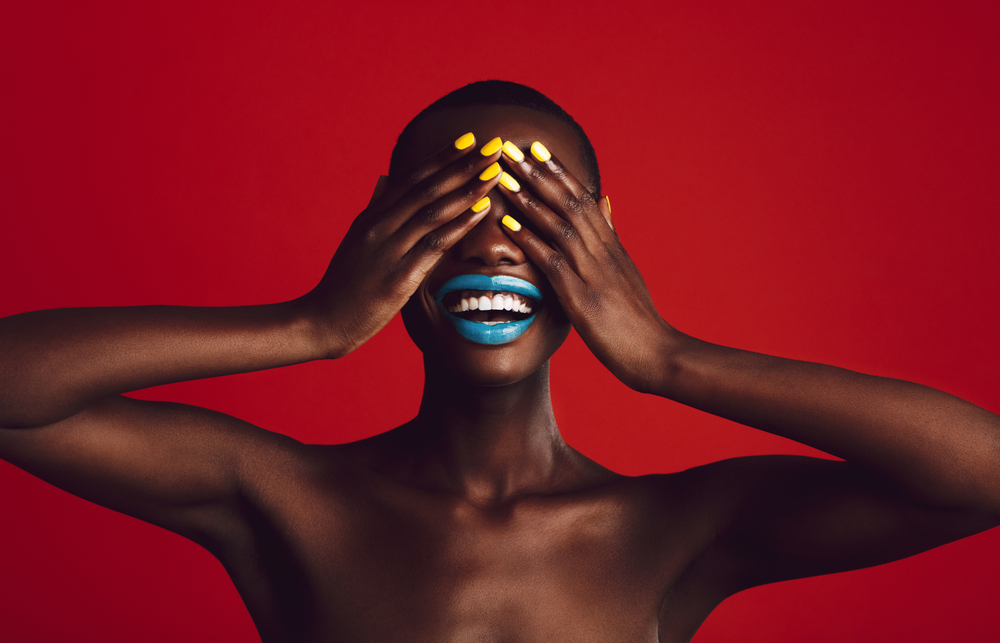
Mental health experts increasingly recognize body-based expression as a legitimate and meaningful form of emotional processing. When someone covers their eyes and lets their smile speak, when someone wears colors that feel bold and alive, they are not being superficial. They are declaring that they exist, that they feel, and that beauty and pain can live in the same body at the same time.
This practice of wearing emotion outwardly is deeply rooted in cultural tradition — from the vibrancy of headwraps to the ritual of adorning oneself before a celebration or a burial. The body remembers what the mind sometimes tries to suppress.
When Creativity Becomes Community
Self-expression rarely stays private for long. Art finds its audience. Style sparks conversation. Music crosses rooms and lifts strangers. This is where personal healing begins to ripple outward.
Community-based creative spaces — mural projects, open-mic nights, spoken word events, drumming circles — have been shown to reduce feelings of isolation and increase a sense of belonging. They create environments where vulnerability is welcomed rather than punished.
For those navigating grief, trauma, or chronic stress, these spaces can be transformative. They offer something that clinical settings sometimes cannot — the experience of being witnessed and celebrated, not just treated.
How to Start Expressing
You do not need talent. You do not need permission. What you need is a small act of courage and a willingness to begin.
Here are a few accessible entry points
- Journaling or visual journaling — write, doodle, collage your feelings onto a page
- Dance or movement — let your body lead without choreography
- Color and adornment — wear something bold, something that feels like you on your best day
- Music — create a playlist that names an emotion you have not been able to say out loud
- Community art — look for local workshops, classes, or open studios near you
The goal is not a finished product. The goal is the process — the act of externalizing something internal so it no longer has to live compressed inside you.
Expression Is Not a Luxury
There is a persistent myth that mental health care looks one specific way — a couch, a prescription, a clinical office. But healing is more expansive than that. It is also a paintbrush. A song hummed in the shower. A pair of earrings chosen with intention.
Self-expression is not a privilege reserved for artists. It is a fundamental human need, and reclaiming it — loudly, colorfully, and without apology — is one of the most radical forms of self-care available.