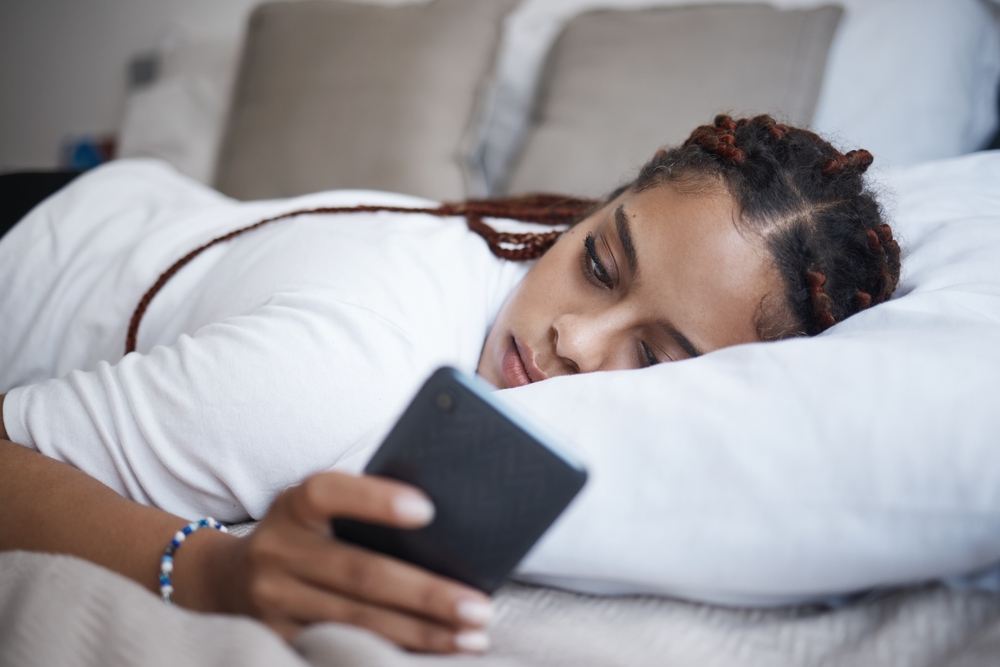
That late-night scroll feels harmless until your body starts paying the price in ways you never expected.
The Glow That Keeps You Awake
It starts innocently enough. The lights are off, the pillow is cool, and the day is finally over. Then the phone lights up — or worse, you reach for it yourself. One notification leads to a thread, a thread leads to a video, and before long, an hour has disappeared, and sleep feels further away than ever.
This is not a rare occurrence. It is a nightly ritual for millions of people, and the consequences are far more serious than feeling groggy in the morning. The relationship between phones and sleep is one of the most studied and most ignored health conversations happening right now.
What Phones Actually Do to the Sleeping Brain
The science is clear and it is not encouraging. Smartphones emit blue light — a short-wavelength light that signals the brain to stay alert. When the eyes absorb blue light at night, the brain interprets it as daylight and suppresses melatonin, the hormone responsible for making the body feel sleepy.
Here is what happens to the body during late-night phone use:
- Melatonin drops — Blue light exposure at night can reduce melatonin production by up to 50 percent, making it significantly harder to fall asleep.
- Cortisol spikes — Stimulating content — news, arguments, dramatic videos — triggers stress hormones that put the body on high alert.
- REM sleep shrinks — Less melatonin means delayed sleep onset, which compresses the most restorative stage of the sleep cycle.
- Brain stays wired — Scrolling activates the brain’s reward system through dopamine hits, making it genuinely difficult to stop.
Sleep Problems That Start With the Screen
Chronic late-night phone use does not just cause one bad night. Over time, it builds into a pattern of sleep deprivation that touches every part of daily life. The most common sleep problems linked to nighttime screen use include:
- Insomnia — Difficulty falling or staying asleep, often worsened by the mental stimulation of scrolling.
- Delayed Sleep Phase Syndrome — A condition where the internal clock shifts later and later, making early mornings feel impossible.
- Fragmented sleep — Notifications during the night interrupt sleep cycles even when the phone is nearby but not actively used.
- Anxiety-driven wakefulness — Consuming stressful content before bed can trigger racing thoughts that last well into the night.
Sleep Problems and Mental Health
The connection between poor sleep and mental health is not subtle. Sleep deprivation sharpens irritability, weakens emotional regulation, and increases vulnerability to anxiety and depression. When the phone is the reason sleep is suffering, it creates a damaging loop — stress leads to scrolling, scrolling leads to worse sleep, and worse sleep leads to more stress.
Communities that already carry higher levels of chronic stress are especially vulnerable to this cycle. Quality sleep is not a luxury. It is a frontline defense for mental and physical health.
How to Break the Cycle Tonight
The good news is that the body responds quickly when screen habits change. Sleep quality can improve within days of making small, consistent adjustments:
- Set a phone curfew — Power down or put the phone in another room at least 30 minutes before bed.
- Switch to night mode or warm light settings in the evening to reduce blue light exposure.
- Replace scrolling with a wind-down ritual — reading a physical book, light stretching, or calm music.
- Disable non-essential notifications at night so the phone stops demanding attention.
- Invest in a separate alarm clock so the phone has no reason to be in the bedroom at all.
The phone is not going anywhere, and neither is the temptation to check it one more time. But sleep is the foundation everything else is built on — mood, focus, health, and resilience. Protecting it is not a wellness trend. It is a necessity.
Put the phone down. The feed will still be there in the morning.