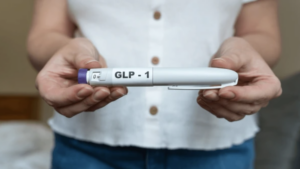
As GLP-1 medications like Ozempic, Wegovy, Mounjaro, and Zepbound become increasingly common, so do questions about their side effects and one of the most searched is whether these drugs cause hair loss. For women already navigating hormonal hair changes in their 40s and 50s, the concern carries extra weight.
The answer, according to dermatologists and hormone specialists, is both reassuring and worth taking seriously. The medications themselves are not the culprit but what they help trigger can be.
What is actually causing the hair loss
GLP-1 drugs are not directly harmful to hair follicles, according to board-certified dermatologists who specialize in hair loss. For people who use these medications as part of a broader, balanced health plan, hair should not be affected at all.
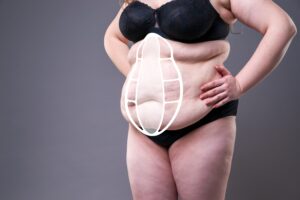
The real driver behind reported hair shedding among GLP-1 users is rapid weight loss and that distinction matters, because it applies to anyone losing weight quickly, whether through medication, surgery, or approaches like ketogenic or very low-calorie diets.
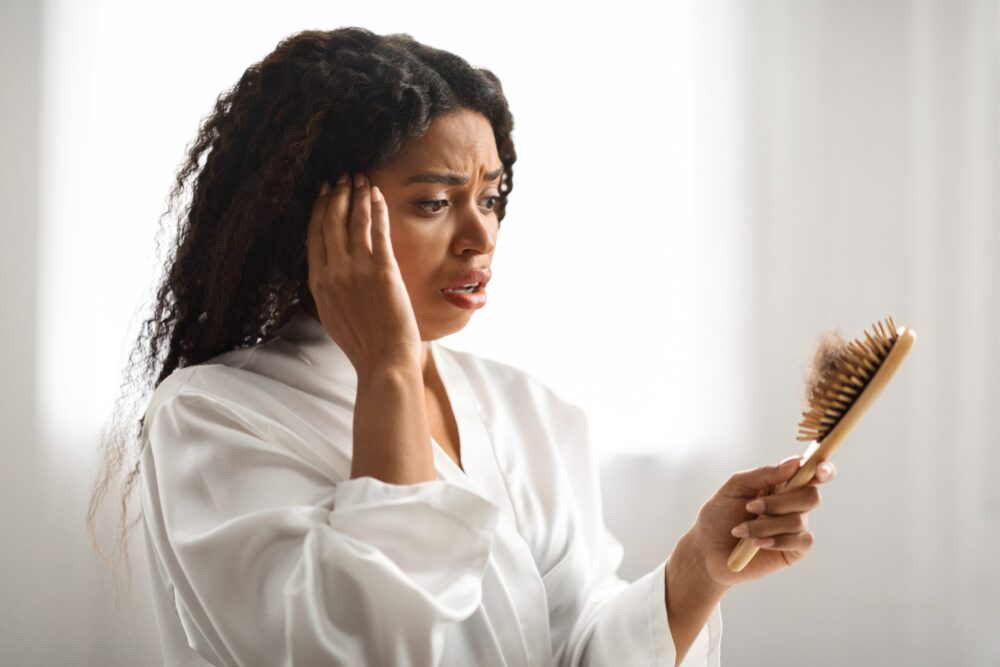
When the body loses weight at a fast pace, it experiences a form of physiological stress. Hair, considered a non-essential tissue, is among the first places the body cuts resources when it is under strain or under-fueled. The result is a temporary condition known as telogen effluvium, where a larger-than-normal percentage of hairs shift simultaneously into the shedding phase. The outcome can look alarming more strands in the shower drain, on pillows, or caught in a brush but it is not a sign of permanent damage.
Board-certified internists and hormone experts with academic affiliations confirm that hair loss tied to rapid weight loss is generally not permanent and is fully reversible with the right interventions.
Prioritize protein above everything else
Among all the strategies available to protect hair during weight loss, maintaining adequate protein intake is the single most important. Hair follicles require amino acids to produce new strands, and dietary protein is the primary source of those building blocks. When protein intake drops which happens easily when appetite is suppressed by GLP-1 medications hair growth is one of the first processes to suffer.
Research conducted on bariatric surgery patients, who often experience some of the most dramatic and rapid weight loss, suggests that consuming roughly one gram of protein for every two pounds of ideal body weight per day helps preserve both muscle mass and hair. For someone whose optimal weight is around 160 pounds, that translates to a minimum of 80 grams of protein daily. Good sources include cottage cheese, legumes, eggs, and lean meats. For those whose appetites are too suppressed to meet that target through whole foods alone, a protein shake can help bridge the gap.
Get iron and nutrient levels checked
Eating less means taking in fewer micronutrients, and that shortfall can quietly accelerate shedding. Iron is a particularly significant factor low iron levels have been identified as a major contributor to hair loss, and some clinicians have observed GLP-1 medications reducing iron in certain patients more notably than expected.
A doctor can order a blood panel to check iron levels, or blood donation centers offer free testing as part of the donation process. A 2024 study found that people with telogen effluvium who began taking an iron supplement reported meaningful improvement in hair condition within three months. Heme iron formulations are generally better tolerated and absorbed than non-heme alternatives, though any supplement should be approved by a physician first.
Beyond iron, deficiencies in vitamins B and D, as well as zinc, can worsen shedding. When appetite is low, the priority should always be nutrient-dense foods lean proteins, vegetables, fruits, and healthy fats before reaching for processed or low-nutrition options.
Consider microdosing your GLP-1 medication
For those on a GLP-1 drug, slowing the pace of weight loss through smaller or less frequent doses can significantly reduce the physiological stress that triggers hair shedding. This approach, sometimes called microdosing, is already being used by some functional medicine practitioners precisely because a more gradual weight loss trajectory is easier for the body to manage.
A study published in the journal Obesity found that patients on GLP-1 medications may be able to maintain their weight loss results and health improvements with less frequent injections potentially as infrequently as once every two months rather than weekly. The approach is not appropriate for every patient, but it is a conversation worth having with a prescribing physician, particularly for anyone already experiencing noticeable shedding.
What to expect going forward
For those who have already noticed increased hair loss, the outlook is genuinely encouraging. Hair lost due to rapid weight loss typically grows back, and most women can expect to see regrowth within three to six months once the body is adequately nourished and the pace of weight loss has stabilized. Hair grows at approximately half an inch per month, so patience is part of the process but with the right nutritional foundation, regrowth is a realistic outcome.