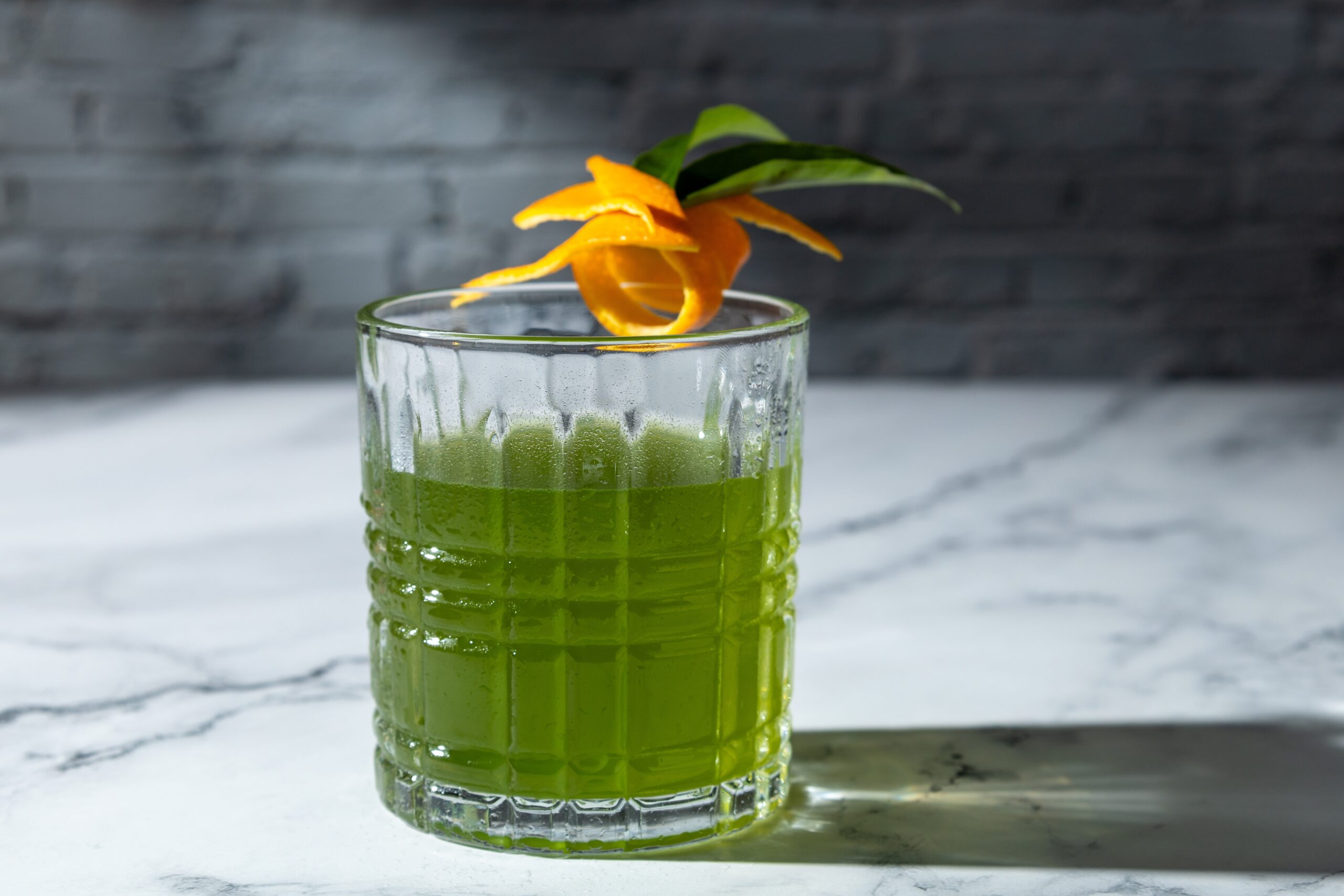
Water, it turns out, was apparently not interesting enough on its own. In the latest chapter of the internet’s ongoing mission to optimize everything we put in our bodies, a trend called stacked water has taken hold on social media, encouraging people to transform their daily hydration into something layered, colorful, and loaded with supplements. If your water does not currently contain at least three to five additional ingredients, the algorithm may be trying to tell you something.
Stacked water involves adding a combination of flavor enhancers and nutritional supplements to a large glass of water, with the goal of making hydration feel more intentional, more functional, and considerably more photogenic. The trend has generated millions of views and spawned an entire ecosystem of content creators dedicated to showcasing their daily concoctions, complete with vivid hues, oversized tumblers, and meticulous layering techniques.
The question worth asking, however, is whether any of it actually works. Two nutrition experts offer a measured and nuanced take.
What stacked water actually is
Unlike many viral food and drink trends, stacked water does not follow a single fixed recipe. The concept is inherently customizable, which is part of its appeal. Some versions lean heavily on flavor, incorporating ingredients like lemon juice, lime peels, pureed fruit, or sparkling water to make plain hydration more enjoyable. Others are more supplement-forward, adding things like creatine, collagen peptides, protein powder, electrolyte packets, probiotics, colostrum, coconut water, turmeric, or apple cider vinegar.
Most versions land somewhere in the middle, blending taste-driven additions with ingredients chosen for their perceived health benefits. The result is a drink that can look dramatically different from one person to the next, which is precisely what makes it so adaptable as a trend and so difficult to evaluate as a health practice.
One content creator in particular has become the de facto face of the movement, posting daily videos of his elaborate stacked water creations to millions of followers. His recipes change regularly and often include an impressive array of ingredients layered together in a large glass tumbler chosen specifically to showcase the drink’s color. The visual element is clearly part of the draw.
What the experts actually think
The most important thing to understand about stacked water, according to registered dietitian Kinga Balogh of JM Nutrition, is what it cannot do. No matter how many supplements you add to a single glass, stacked water is not a replacement for regular water intake. The body’s daily fluid requirements are too significant and too variable to be met by one targeted glass of hydration, regardless of what is in it. Activity level, climate, and individual health conditions all affect how much water a person needs, and those needs cannot be engineered away with a scoop of collagen and an electrolyte packet.
That said, not everything about stacked water is dismissible. Balogh points to a handful of additions that have genuine scientific backing. Electrolytes have a strong and well-documented track record for supporting hydration during prolonged or high-intensity exercise. Creatine monohydrate is one of the most rigorously studied supplements available, with evidence supporting its benefits for strength, muscle mass, and even cognitive function at standard daily doses. Protein powders, including collagen-based varieties, can serve a real purpose for people who struggle to meet their protein needs through food alone.
Nutritionist Amelia Winslow takes a similarly pragmatic view of the flavor-driven additions. If squeezing fresh lemon or lime into water makes someone drink more of it, that is a genuine benefit and not something to dismiss. The issue arises when people begin treating stacked water as a substitute for a nutritious diet rather than a complement to one. Powdered supplements added to water cannot replicate the complexity of whole nutrients found in real food, and anyone using their stacked water to compensate for a diet lacking in those nutrients is not really gaining much ground.
The fine print worth reading
Both experts agree that paying close attention to nutrition labels is essential before adding anything to your water. Some electrolyte and hydration packets contain sodium levels that approach an entire day’s recommended intake in a single serving, a detail that gets lost in the aesthetic appeal of a beautifully layered green drink. High-fiber add-ins, when combined in large amounts, can also cause digestive discomfort for some people.
The smartest approach to stacked water is the same approach that applies to most nutrition trends: personalize it, read the labels, and do not let the visual appeal drive decisions that should be based on your individual needs. An occasional stacked water with a few well-chosen additions can be a perfectly reasonable part of a healthy routine. A daily ritual built around the assumption that more supplements means more health is a different thing entirely.