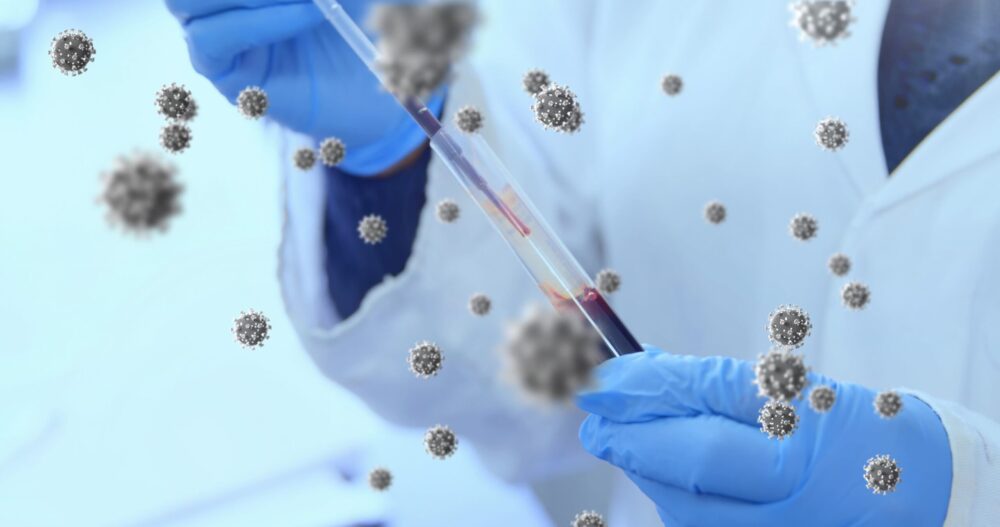
A new COVID-19 variant has been quietly making its way across the United States and it is now moving fast enough that doctors are paying close attention.
The variant, known as BA.3.2 and nicknamed Cicada, has been detected in patients and wastewater systems across 29 states. While it first appeared on the radar in late 2024, it has picked up significant speed in recent months, both domestically and around the world. As of February 2026, it had been identified in 23 countries.
Kyle B. Enfield, a pulmonary and critical care physician at the University of Virginia, says his patients many of whom live with chronic lung disease or long COVID want to know how concerned they should be. Here is what the science says so far.
Where the Cicada variant came from
BA.3.2 is a descendant of the omicron variant, which first emerged in late 2021. Researchers identified it in November 2024 in Africa, and it began spreading internationally throughout 2025. The first U.S. case was detected in a traveler entering the country in June 2025.
What makes this variant notable is the degree to which it has changed compared to strains currently circulating in the U.S. BA.3.2 carries between 70 and 75 genetic mutations in its spike protein the part of the virus responsible for entering human cells and the primary target of existing vaccines.
Why your current vaccine may fall short
Current COVID-19 vaccines were designed to protect against strains from the JN.1 lineage, which has dominated U.S. cases since January 2024. BA.3.2 is different enough from those strains that the immune system may not recognize it as quickly, giving the virus more time to establish itself before the body can mount a defense.
Enfield compares it to running into a high school classmate after 25 years someone who has changed their hair, their weight and their look. You might eventually recognize them, but it takes longer than it would have if you had seen them regularly. The immune system works the same way. The more unfamiliar a virus looks, the slower the response.
That said, doctors are not advising people to skip vaccination. A strong body of research continues to show that COVID vaccines reduce the risk of hospitalization and death. A less than perfect match simply means the protection is not as fast or as sharp not that it disappears entirely.
How dangerous is BA.3.2?
The good news, at least for now, is that there is no evidence BA.3.2 causes more severe illness than the variants that circulated during the winter of 2025-26. It does not appear to be more deadly or more likely to send people to the hospital.
However, because the immune systems of most Americans have little familiarity with this particular version of the virus, it may spread more broadly than recent strains potentially triggering a noticeable rise in case numbers.
People with chronic health conditions, including lung disease, heart conditions and compromised immune systems, remain at higher risk for severe outcomes and should take extra precautions. Long COVID, while less common than it once was, still develops in roughly 3 out of every 100 infections, making prevention an important goal for everyone.
Wastewater monitoring remains one of the most reliable early tools for tracking new variants, though the number of states actively submitting that data to the CDC has declined significantly since the height of the pandemic in 2022.
4 ways doctors say you can protect yourself
There are practical steps anyone can take right now to lower their risk, regardless of vaccination status.
Wash your hands consistent especially after using the bathroom, before eating and after contact with anyone who is sick. Research shows regular hand washing cuts the risk of respiratory infection by 16% to 21%.
Stay home when you feel unwell. The person beside you at work or school may have a condition that puts them at serious risk for severe illness.
Spend more time outdoors. Reducing time in crowded, enclosed spaces lowers the chance of exposure.
Talk to your doctor if you have underlying health conditions. A clinician who knows your medical history can offer guidance tailored to your specific level of risk.
As BA.3.2 continues to spread and researchers gather more data, health officials will be watching closely to determine whether updated vaccines or additional public health guidance will be necessary.