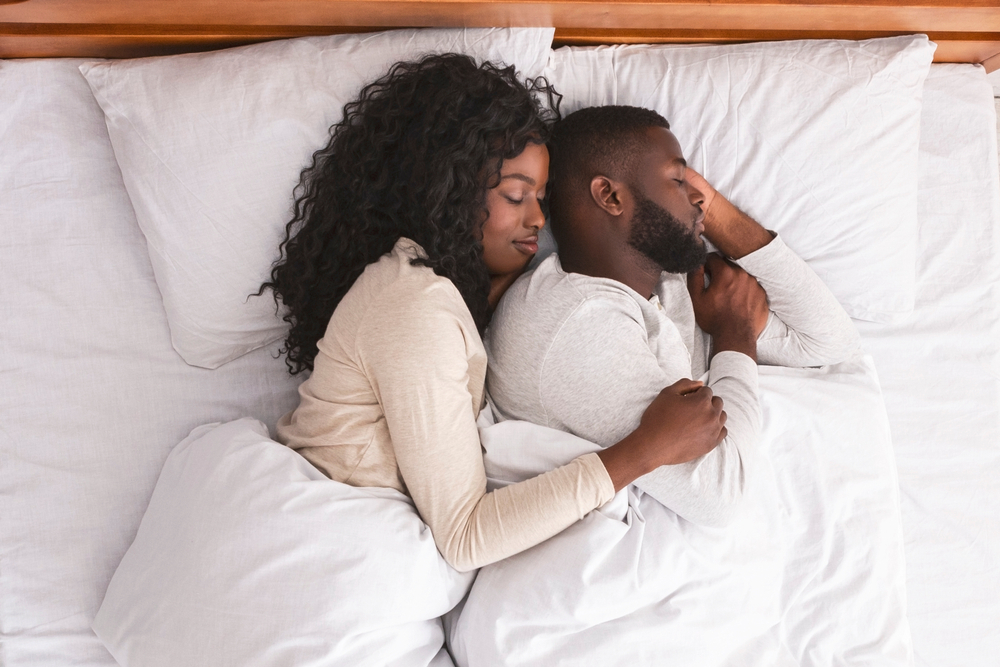
There is something quietly powerful about waking up next to someone you love. The warmth, the closeness, the sense of safety that comes from having another person beside you — it turns out that feeling is not just emotional. It is biological. Science has been quietly building a case for years that couples who share a bed and prioritize sleeping together enjoy measurably better sleep than those who do not.
In a world where sleep deprivation has become almost normalized — where late nights, screen addiction, and chronic stress have turned a good night’s rest into a luxury — the simple act of lying down next to your partner may be one of the most underrated health habits a couple can share.
Why Sleeping Next to Your Partner Helps
The benefits of co-sleeping for couples go far beyond comfort. When two people sleep together in a safe, loving environment, the body responds in ways that directly improve sleep quality.
Research from the University of Pittsburgh found that women in stable relationships fell asleep faster, woke up less frequently during the night, and reported higher overall sleep satisfaction compared to single women or those in high-conflict relationships. The key factor was not just having a partner — it was the emotional security that came with that partnership.
Here is what happens in the body when a couple sleeps well together
- Oxytocin levels rise — the bonding hormone that reduces cortisol and promotes feelings of calm and safety
- Heart rate and blood pressure lower, creating ideal conditions for deep, restorative sleep
- The nervous system shifts into parasympathetic mode — the rest and digest state that allows the body to fully recover overnight
- REM sleep improves, which strengthens memory, emotional regulation, and cognitive function the following day
The Emotional Connection That Makes It Work
Quality sleep between couples is not just about the physical act of sharing a bed. It is deeply tied to the emotional health of the relationship itself. Couples who communicate well, resolve conflict effectively, and feel genuinely secure with each other tend to sleep better — and sleeping better, in turn, makes them better partners.
A study published in the journal Social Psychological and Personality Science found that couples reported higher relationship satisfaction on days that followed nights of good sleep. The connection runs both ways — a healthy relationship improves sleep, and better sleep strengthens the relationship. It is one of the most positive cycles in all of human wellness.
Simple Habits That Help Couples Sleep Better Together
Not every couple finds co-sleeping effortless. Different sleep schedules, temperature preferences, snoring, and phone habits can all disrupt the experience. The good news is that small, intentional changes make a significant difference.
Here are habits that help couples sleep better together
- Establish a consistent bedtime routine you both follow — consistency trains the body’s internal clock
- Put phones away at least 30 minutes before bed and keep them off the mattress
- Invest in a quality mattress that minimizes motion transfer so one partner’s movement does not wake the other
- Communicate openly about sleep preferences — temperature, light levels, noise — so both partners feel comfortable
- Try the 90-minute rule— go to bed together even if one person plans to read or wind down, so the ritual of closeness becomes part of the routine
These are not complicated changes. But done consistently, they create a sleep environment that works for both people — and a relationship that benefits from the rest.
What Happens When Couples Stop Sleeping Together
It is worth noting what research shows about couples who sleep separately — whether by choice or circumstance. Studies have found that sleeping apart, even occasionally, is associated with increased feelings of loneliness, reduced emotional intimacy, and higher reported levels of daytime irritability and stress.
This does not mean separate sleeping arrangements are always harmful. For couples dealing with severe snoring, sleep apnea, or significant schedule differences, separate sleep can sometimes be the practical choice. But whenever possible, prioritizing shared sleep is one of the simplest investments a couple can make in both their health and their relationship.
Sleep is where the body heals, the mind resets, and the heart reconnects. For couples, doing that together is not just a habit — it is one of the most loving things two people can share. Tonight, put the phone down, pull the covers up, and let rest do what it does best.