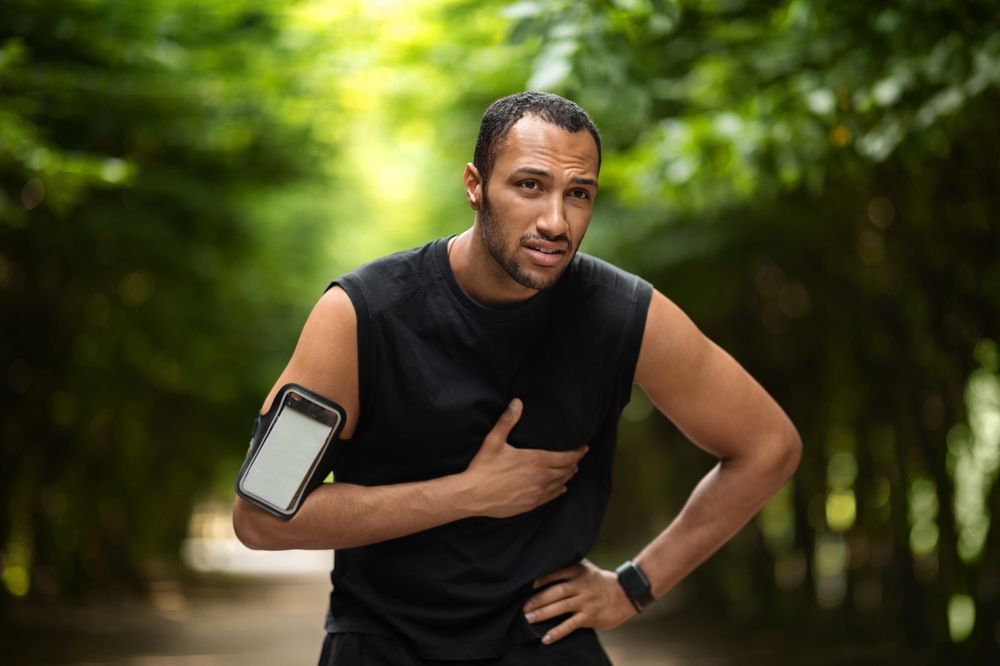
Knowing the difference between harmless discomfort and a serious cardiac red flag could be the most important thing you learn before your next workout.
Chest pain mid-workout is one of the most alarming sensations a person can feel. It stops you in your tracks, floods your mind with worst-case scenarios, and sends even the most seasoned gym-goers into a panic. But here is the truth — not every twinge, tightness, or pressure in your chest while exercising means your heart is in trouble. What matters most is knowing how to tell the difference.
Chest pain discomfort after exercise is often caused by non-cardiac factors like muscle strain, dehydration, reflux, or anxiety. The tricky part is knowing when it is a normal post-workout response and when it is a serious warning sign. Getting that distinction right could save your life — or spare you unnecessary panic.
What Chest Pain During Exercise Really Means
There are two broad categories to understand. The first is cardiac — meaning the sensation originates from the heart or blood vessels. The second is non-cardiac, meaning the chest feels uncomfortable but the source is not the heart, such as musculoskeletal chest pain, reflux, or breathing-related problems. The challenge is that non-cardiac chest pain can closely mimic heart problems, which is why patterns, triggers, and associated symptoms matter so much.
Most chest pain discomfort felt during exercise is harmless and caused by muscle strain or dehydration. But chest pain that lasts more than a few minutes, spreads to your arm or jaw, or comes with shortness of breath or nausea may indicate the early stages of a heart attack. Do not ignore those signals.
The Non-Cardiac Causes Worth Knowing
Sports can cause a lot of wear and tear on the body, and sometimes you feel it in your chest. Muscle spasms — common when starting a new training program — are usually just a spasm in the diaphragm, abdomen, or one of the intercostal muscles between the ribs.
Other non-cardiac culprits include
- Costochondritis — swelling of the cartilage that connects the ribs to the breastbone, causing sharp chest pain near the center. Touching the spot increases pain, but the heart is not involved.
- Acid reflux (GERD) — during workouts, stomach acid can move upward. Pressure from bending or lying flat worsens it, and the pain feels like burning behind the chest, similar to heart pain.
- Anxiety — anxiety can tighten chest muscles and change breathing patterns, creating sensations that feel cardiovascular but are not.
When Chest Pain Becomes a Heart Emergency
Sometimes, chest pain while running or working out signals a major medical emergency. Seek emergency care immediately if the chest pain or pressure is severe, does not resolve quickly, or gets worse over time. Additional red flags include pain radiating to your arms, shoulders, neck, jaw, or back, along with dizziness, nausea, shortness of breath, or bluish lips.
Coronary Artery Disease is one of the most serious concerns, particularly for those over 35. During exercise, the heart needs more oxygen, but narrowed arteries cannot deliver enough blood — leading to chest pain that often starts during activity and sometimes continues afterward.
When dealing with a possible heart problem, timing is critical. Every second counts. Do not take a wait-and-see approach or try to push through your workout. The American Heart Association recommends calling 911 within five minutes of experiencing warning signs.
The Chest Pain Checklist
Use this quick guide every time something feels off mid-workout
- Does the pain ease within five minutes of stopping exercise? Likely not cardiac.
- Does the pain radiate to your arm, jaw, neck, or back? Seek emergency care immediately.
- Is the pain sharp and worsened by pressing the area? Likely musculoskeletal.
- Is the pain accompanied by dizziness, nausea, or cold sweats? Call 911 now.
- Has the same pain happened repeatedly during workouts? See a cardiologist — do not wait.
How to Protect Your Heart Before Every Workout
The best defense is preparation. A few minutes of easy cardio followed by gentle mobility that opens the ribcage and shoulders can help reduce musculoskeletal chest pain and limit sudden heart-rate spikes.
Hydration is another cornerstone of heart-safe exercise. For longer or hotter sessions, consider including electrolytes — especially if prone to cramps, heart palpitations, or signs of electrolyte imbalance during workouts. Be cautious with stimulants too, since caffeine and pre-workouts can amplify irregular heartbeats and a lingering rapid heartbeat after a workout.
To lower your heart disease risk overall, maintain a healthy lifestyle — exercise regularly, eat well, stay at a healthy weight, and avoid smoking. And above all, trust your body. If something feels seriously wrong, it probably warrants a call to your doctor — not another set of reps.