Hormone balancing diets have become a popular topic in wellness circles, with all kinds of foods being credited with the ability to tweak hormone levels. But what does the science actually say, and which foods are genuinely worth adding to your plate?
Hormones are chemical messengers that travel through the bloodstream and influence a wide range of body functions, from metabolism and growth to reproduction and mood. Keeping them in balance is not always within a person’s control, but certain lifestyle habits including what you eat can make a meaningful difference.
Dr. Taz Bhatia, an integrative medicine physician and author of The Hormone Shift, says that diet forms the foundation of how the body receives the nutrients it needs to produce and metabolize hormones effectively. A well-rounded diet rich in plants, healthy fats, protein and fiber provides the body with the raw materials it needs to keep hormones functioning as they should.
Bhatia notes that while eating the right foods consistently can make a real difference, it is not a guarantee against needing additional hormone support down the road. Anyone experiencing symptoms of a hormonal imbalance should consult a healthcare provider or endocrinologist. That said, adding more of these foods to your diet is unlikely to cause harm and comes with a wide range of benefits beyond hormone health alone.
Understanding hormone imbalances
A hormone imbalance occurs when there is too much or too little of a particular hormone in the body, according to the Cleveland Clinic. Levels naturally fluctuate throughout life during puberty, pregnancy and menopause, for example but stress, certain medications and chronic conditions affecting the endocrine glands can also disrupt the balance.
Signs of a hormone imbalance vary widely because the human body produces more than 50 types of hormones. Symptoms can range from unexplained weight changes and mood shifts to irregular periods, hair loss, fatigue and changes in heart rate, depending on which hormones are affected.
For most people, taking active steps to balance hormones is not necessary. However, supporting overall health through sleep, stress management, regular exercise and a nutritious diet can help keep hormone function on track.
The 7 foods a doctor recommends for hormone health
Bhatia identifies the following foods as particularly beneficial for supporting hormone health. The goal is to incorporate them regularly, choosing them over less nutritious options whenever possible.
Chia seeds are high in fiber, antioxidants and healthy fats. Fiber plays a key role in hormone balance by helping regulate blood sugar and insulin resistance, and by supporting healthy digestion. The body needs to break down food properly in order to absorb nutrients and metabolize hormones efficiently. One ounce of chia seeds contains about 10 grams of fiber, and most adults need between 25 and 30 grams per day. They blend easily into smoothies, oatmeal or yogurt.
Olive oil provides the healthy fats the body needs to produce cholesterol, which is a foundational building block for hormone production. Healthy fats also help stabilize blood sugar and insulin levels. Adding a tablespoon of olive oil to meals regularly can help the body build and maintain a healthy fat balance that supports hormone production over time.
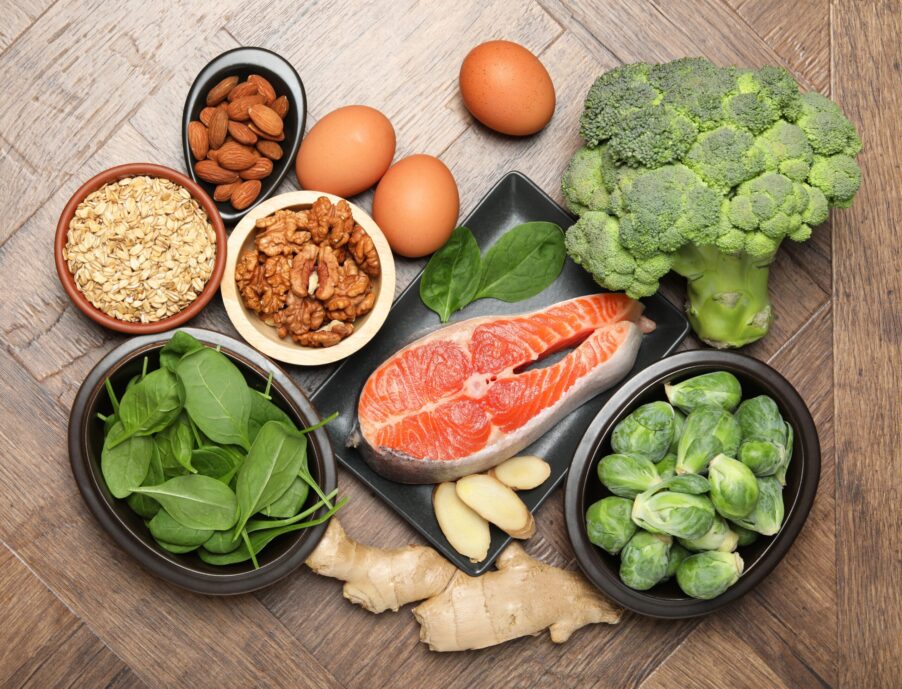
Salmon is rich in omega-3 fatty acids, including EPA and DHA, which provide the cholesterol needed for hormone production and carry anti-inflammatory properties. Salmon can also help the body metabolize estrogen more effectively, preventing it from being stored. It is also an excellent source of protein and essential vitamins, making it one of Bhatia’s top foods for hormone health overall.
Cruciferous vegetables such as broccoli, cauliflower, Brussels sprouts and cabbage play an active role in metabolizing hormones, including estrogen. They are packed with phytonutrients, antioxidants and fiber, and they produce a compound called sulforaphane, which research suggests may help protect DNA and defend the body against free radicals.
Dark leafy greens like kale, spinach, collard greens and dandelion root are rich in vitamins A, C and E, as well as CoQ10 and glutathione an antioxidant that supports brain and heart health and helps reduce inflammation. These nutrients are important for liver and thyroid function, both of which are closely tied to hormone health. Blending leafy greens into smoothies is a practical way to increase intake without sacrificing fiber.
Sweet potatoes are a fiber-rich source of potassium and beta carotene, which the body converts into vitamin A. One medium sweet potato provides a full day’s worth of vitamin A, supporting overall health, eye health and hormone balance.
Brazil nuts are naturally high in selenium, a mineral that plays a direct role in the production of thyroid hormones, which help regulate metabolism. Just two Brazil nuts per day is enough to meet the body’s selenium needs, as a single nut contains roughly 95 micrograms well above the recommended daily intake of 55 micrograms for most adults.
Other habits that support hormone health
Beyond these seven foods, Bhatia recommends reducing intake of added sugars, alcohol, caffeine and heavily processed foods, all of which can interfere with hormone balance. Eating on a consistent schedule also helps keep blood sugar stable, which in turn supports more effective hormone regulation throughout the day.