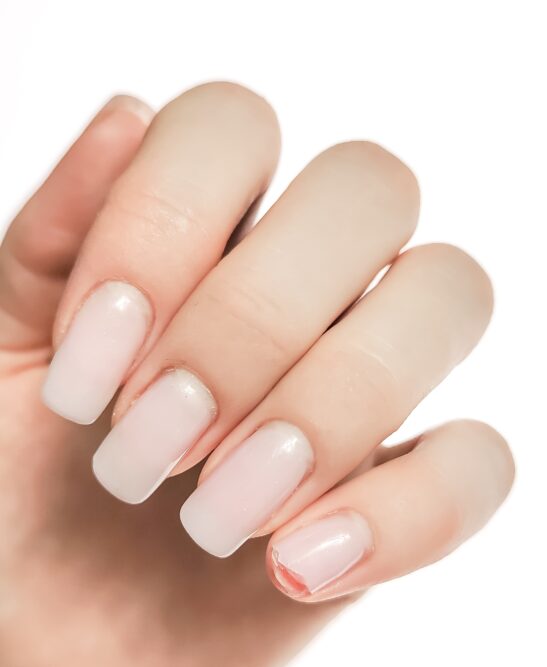
Nail damage from manicure is quietly wrecking your nails, you. It is a fair question and the honest answer from dermatologists is that the risks are real but manageable. With the right precautions, a manicure does not have to come at the cost of your nail health.
Three board-certified dermatologists shared what every salon-goer should know: Connie Yang, M.D., FAAD, a dermatologist at PFRANKMD; Dana Stern, M.D., a dermatologist focused on nail health and founder of Dr. Dana; and Joshua Zeichner, M.D., director of cosmetic and clinical research in dermatology at Mount Sinai Hospital in New York City.
Traditional manicures: more to consider than you might think
A standard polish manicure seems low-stakes, but there are a few areas where things can go wrong.
The first is the polish itself. Nail polish can contain contact allergens among them tosylamide/formaldehyde resin, dibutyl phthalate, toluene and triphenyl phosphate. A reaction to these ingredients can show up as swelling, redness or irritated skin around the nail. It can also appear, less obviously, as a rash on the eyelids, since people frequently touch their faces without realizing it and the eyelid skin is particularly thin and reactive.
Technique matters just as much as ingredients. Aggressive cuticle removal or forceful pushing back of the cuticle with a metal tool or use of an electric file can damage both the cuticle and the nail matrix, which is the part of the nail responsible for growth. Protecting the cuticle is worth taking seriously, since it serves as a barrier against external pathogens.
Nail polish remover rounds out the risk picture. Products containing acetone can dry and dehydrate the nails and surrounding skin, leaving nails weak or brittle over time. Choosing an acetone-free remover, ideally one formulated with hydrating ingredients, reduces that risk considerably.
For those with sensitive skin or concerns about contact allergies, nail polishes labeled 10-free formulated without 10 chemicals commonly associated with harmful side effects offer a cleaner alternative. Choosing a reputable salon that sanitizes its tools and uses careful technique is equally important.
Gel manicures: the UV question
Gel manicures bring their own set of concerns, with UV exposure sitting at the top of the list.
Curing gel nails requires placing hands under a UV or LED lamp, and repeated unprotected exposure to UVA radiation is linked to premature skin aging and an elevated risk of skin cancer. UVA and UVB rays damage the DNA in skin cells, potentially producing mutations that lead to skin cancer as well as visible signs of aging including wrinkles, uneven skin tone and loss of skin firmness.
That said, dermatologists are careful to note that the specific risk posed by gel manicure lamps is still not fully understood. The variability in lamp types, exposure duration, hand positioning, skin type and manicure frequency makes it difficult to study in a controlled way. What is clear is that protection is straightforward: applying a broad-spectrum sunscreen to the hands at least 30 minutes before a gel appointment, and wearing a glove with cut-out fingertips during the curing process, significantly reduces UV exposure to the surrounding skin.
Removal is the other concern with gel manicures. Soaking nails in acetone for an extended period can strip the top layer of the nail, thin the nail plate and dry out the cuticle. Aggressive scraping or electric file use during removal compounds that damage.
Acrylic manicures: most of the risk happens at removal
Acrylic nails carry risks similar to the other types contact allergies, nail bed damage and cuticle disruption but removal is where the greatest harm tends to occur.
If the removal process is rushed or done improperly, the nail plate and cuticle barrier can sustain real damage. Many salons use electric files to speed up acrylic removal, which can thin and weaken the nail if applied without care. Following the manufacturer’s removal instructions and soaking carefully in acetone while applying a protective barrier emollient around the nail folds and cuticle helps limit that exposure.
Moisture trapped between an acrylic nail and the natural nail is another hazard, as it can create conditions where bacterial or fungal growth takes hold. Proper application technique and good aftercare reduce that risk.
One rule dermatologists agree on: never peel acrylics off at home.
The bottom line on manicure safety
Manicures are not inherently damaging to nails. The risks that do exist chemical sensitivities, UV exposure, cuticle damage and the drying effects of acetone are largely preventable with informed choices.
Selecting acetone-free removers, asking your technician to skip aggressive cuticle work, applying sunscreen before gel appointments, wearing a protective glove during UV curing and choosing a skilled and hygienic salon all go a long way toward keeping your nails healthy. Small adjustments to your salon routine can protect both the appearance and the long-term integrity of your nails without giving up the treatments you enjoy.
Source : BYRDIE