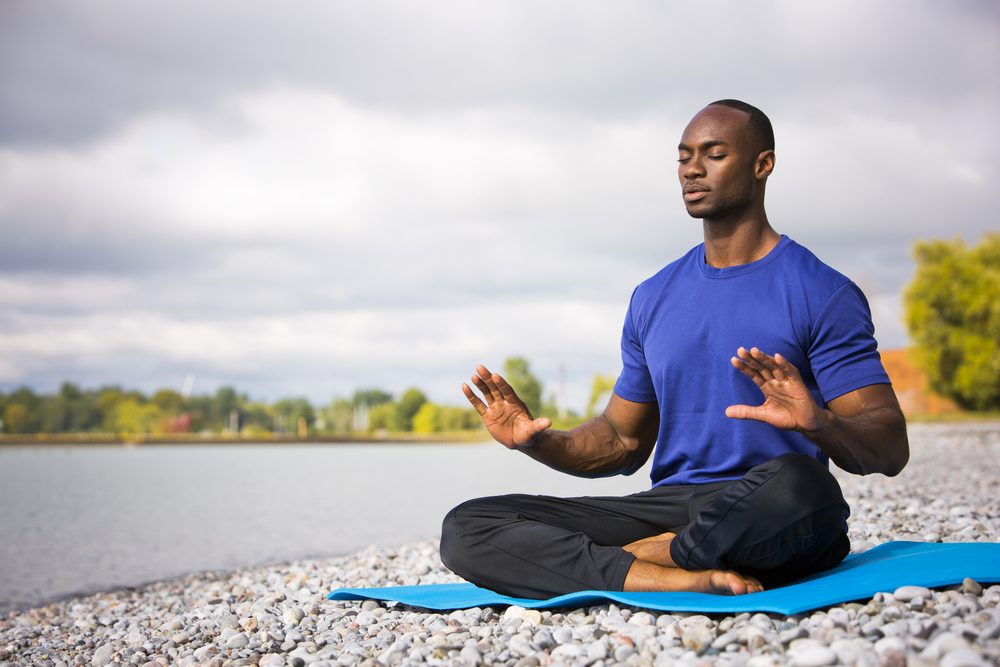
In a world that never slows down, mindfulness is not a luxury — it is the quiet habit that changes everything from the inside out.
Most people move through their days on autopilot. Wake up, check the phone, rush through work, collapse at night, and repeat. It is exhausting — not just physically, but mentally. Meditation has a way of cutting through that noise before it becomes too much to handle. The buildup happens quietly until it becomes overwhelming, and by then, most people have no idea how to turn it off. That is exactly where this practice steps in.
Meditation is not about emptying the mind or achieving some unreachable state of zen. It is about learning to pause. To breathe. To exist in the present moment without judgment or resistance. And the benefits of that simple practice run deeper than most people realize.
What Meditation Actually Does to the Mind
The science behind meditation is no longer up for debate. Regular mindfulness practice physically changes the brain — reducing the size of the amygdala, which is responsible for stress and fear responses, while strengthening the prefrontal cortex, the area tied to focus, decision-making, and emotional regulation.
In practical terms, that means
- Lower stress and anxiety levels
- Improved ability to focus and stay present
- Better emotional control during difficult situations
- Reduced symptoms of depression
- Stronger sense of self-awareness
These are not minor benefits. For anyone dealing with the pressures of daily life — financial stress, relationship tension, work demands — meditation offers a way to process it all without being consumed by it.
Starting a Meditation Practice From Scratch
The biggest barrier to meditation is the belief that it has to be complicated. It does not. Starting small is not just acceptable — it is the smartest approach. Here is how to build a sustainable mindfulness practice from zero
- Start with five minutes — Set a timer and simply focus on the breath. Inhale for four counts, exhale for four counts. When the mind wanders, gently bring it back. That is the whole practice.
- Choose a consistent time — Morning works best for most people because the mind is quieter before the day begins. But any consistent time builds the habit.
- Find a quiet space — It does not have to be outdoors or perfect. A corner of the bedroom, a park bench, or even a parked car works fine.
- Use guided sessions — Apps like Calm, Headspace, or free YouTube sessions are excellent starting points for beginners who need structure.
- Release the expectation of perfection — A distracted meditation session still counts. Showing up is the entire point.
Mindfulness Beyond Sitting Still
Meditation does not always look like sitting cross-legged in silence. Mindfulness can be woven into everyday life in ways that feel natural and accessible
- Mindful eating — Slowing down during meals, tasting food fully, and eating without screens is a form of meditation.
- Mindful walking — Paying attention to each step, the feel of the ground, and the sounds around creates a moving meditation.
- Mindful breathing — Taking three deep breaths before responding to a stressful situation is a micro-meditation that rewires the nervous system over time.
- Body scans — Lying down and mentally checking in with each part of the body from head to toe releases tension that most people carry without knowing it.
The goal is presence. Any activity done with full attention and without distraction becomes a mindfulness practice.
The Long Game of a Quiet Mind
Meditation is not a quick fix. It is a long-term investment in mental clarity, emotional strength, and overall well-being. The results are not always dramatic at first — but over weeks and months, something shifts. The reactions get slower. The anxiety gets quieter. The ability to handle hard moments gets stronger.
That is the real promise of meditation — not a perfect, peaceful life, but a steadier, more grounded way of moving through the one already being lived. The practice does not remove the storms. It builds the kind of inner stillness that makes it possible to stand in the middle of one without falling apart.
Starting is the hardest part. Five minutes today is enough.