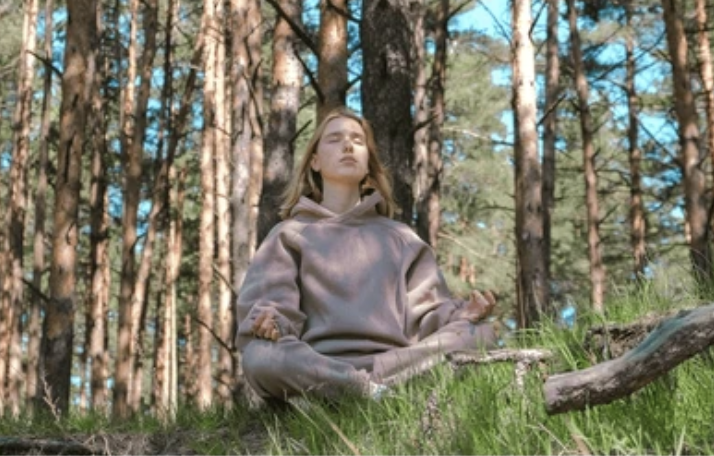
Nature therapy, sometimes called ecotherapy or forest bathing depending on the cultural tradition it draws from, has spent years in the uncomfortable position of being simultaneously obvious and undersupported. Of course spending time outside makes people feel better. Anyone who has taken a walk in a park after a difficult day has their own empirical data on this. The challenge has always been translating that intuition into the clinical language that healthcare systems require before incorporating something into treatment protocols.
That translation is now happening. A comprehensive review of nature therapy research examining its effects on anxiety outcomes across multiple controlled studies has confirmed five specific neurological and physiological mechanisms through which deliberate time in natural environments reduces anxiety symptoms with a consistency and magnitude that positions nature therapy as a legitimate first-line recommendation for mild to moderate anxiety presentations. The review covered more than 20 controlled studies involving over 14,000 participants across multiple countries, making it the most statistically powerful analysis of nature therapy outcomes conducted to date. Across every geographic and cultural context studied, the anxiety-reducing effects of deliberate nature exposure were consistent, reproducible, and clinically meaningful.
Nature therapy mechanism one is prefrontal cortex deactivation reducing rumination
Rumination, which is the repetitive cycling of anxious thoughts that maintains and amplifies anxiety, is primarily driven by prefrontal cortex activity. Research using neuroimaging found that walking in natural environments for 90 minutes produced measurable reductions in prefrontal cortex activity and self-reported rumination compared to equivalent walks in urban environments. The specific sensory qualities of natural environments, including non-threatening complexity, fractal visual patterns, and the absence of the directed attention demands of urban settings, appear to provide the cognitive conditions that allow the prefrontal rumination circuitry to rest.
Nature therapy mechanism two is autonomic nervous system shift toward parasympathetic dominance
Nature therapy produces measurable shifts in autonomic nervous system balance toward parasympathetic dominance, the rest-and-digest state that anxiety disorders chronically suppress. Research measuring heart rate variability, blood pressure, and cortisol levels before and after nature therapy sessions found significant improvements in all three markers, with the magnitude of improvement correlating with both session duration and the degree of natural immersion. Even brief ten-minute exposures to natural environments produced detectable autonomic improvements that urban environments of equivalent duration did not.
Nature therapy mechanism three is phytoncide inhalation reducing cortisol
Trees and plants release airborne compounds called phytoncides as part of their natural defense systems, and research has found that inhaling these compounds during forest-based nature therapy sessions produces measurable reductions in cortisol and adrenaline levels. Japanese forest bathing research has been particularly detailed in documenting this mechanism, finding that the cortisol reduction from two-hour forest therapy sessions persisted for up to seven days after the exposure.
Nature therapy mechanism four is attention restoration reducing cognitive fatigue
Attention restoration theory proposes that natural environments provide the specific conditions required for the directed attention system to recover from the fatigue that urban environments, screens, and cognitive demands continuously generate. Research testing this theory with anxiety-disordered participants found that nature therapy sessions produced greater improvements in sustained attention capacity and cognitive fatigue scores than equivalent rest periods in indoor environments, with the attention restoration translating into reduced anxiety reactivity in subsequent stress induction tasks.
Nature therapy mechanism five is awe experience disrupting anxious self-focus
The experience of awe, produced reliably by natural settings including open landscapes, large trees, bodies of water, and starry skies, has been found in research to temporarily disrupt the self-focused thinking that is central to anxiety maintenance. Awe produces a psychological state called small self, in which the individual’s concerns feel less central and less urgent relative to something larger. Research found that nature therapy sessions that produced reported awe experiences showed significantly greater anxiety symptom reductions than those that did not, making the selection of awe-inducing natural settings a meaningful variable in nature therapy protocol design.