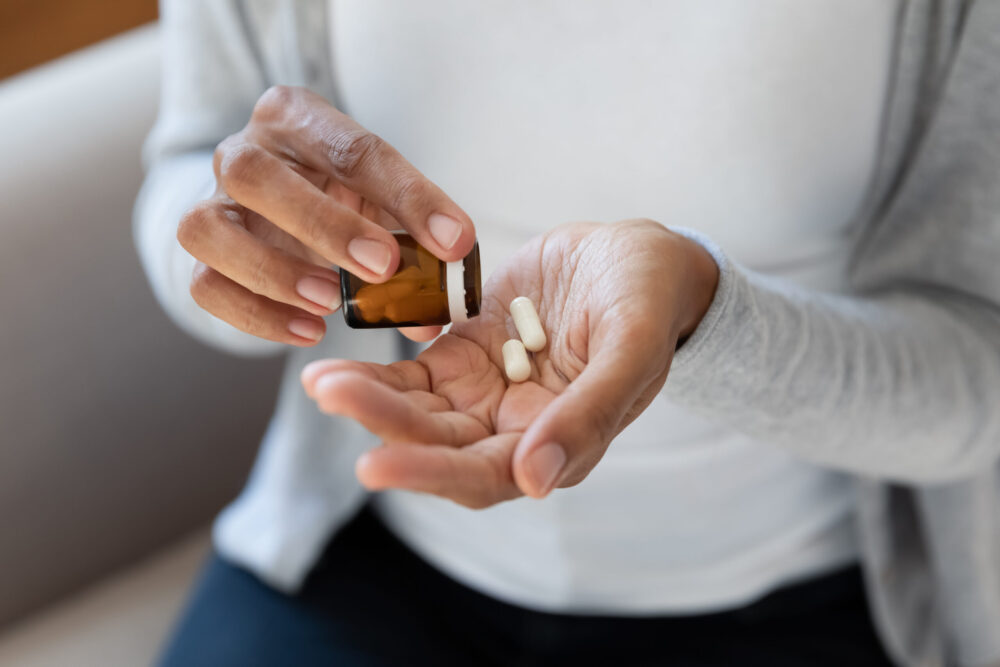

Menopause can bring a wave of symptoms night sweats, brain fog, mood swings, disrupted sleep that significantly affect daily life. For the many women seeking relief, over-the-counter supplements have become an increasingly appealing option, particularly for those who are hesitant about or unable to use hormone therapy.
But medical experts are raising serious concerns. Many of the supplements flooding the market are not just unproven some contain ingredients that carry real risks, particularly for people with certain health histories. And because the supplement industry operates with far less regulatory oversight than prescription drugs, consumers often have no way of knowing exactly what they are taking or whether it is safe.
The regulation gap that puts consumers at risk
Unlike pharmaceutical drugs, supplements are not required to gain FDA approval before going to market. The responsibility for ensuring safety and accurate labeling falls largely on the manufacturers themselves a system that experts say leaves considerable room for error and misleading claims.
That is why doctors recommend looking for products that carry third-party verification labels such as USP or GMP certifications, which provide greater confidence that a supplement actually contains what it claims to contain. Without that kind of independent verification, there is no guarantee.
Experts also caution against dismissing the placebo effect. Trying something new can produce a short-term sense of improvement, but that feeling tends to fade and it should not be mistaken for evidence that a product is working.
What doctors actually recommend first
Before turning to supplements, experts are clear: hormone therapy specifically estrogen therapy remains the most effective, evidence-backed treatment for moderate to severe menopause symptoms. It addresses hot flashes, which are associated not just with discomfort but with longer-term concerns including cardiovascular disease and potential cognitive decline.
For those who cannot or choose not to take hormone therapy due to conditions such as a history of hormone receptor-positive cancers, stroke or blood clots, non-hormonal prescription options exist, including certain antidepressants and a recently approved drug called fezolinetant.
Lifestyle approaches avoiding triggers like alcohol, cognitive behavioral therapy, consistent exercise and even hypnosis also have a place in managing symptoms. What experts want to avoid is patients independently stacking supplement after supplement without medical guidance.
5 ingredients to know and approach with caution
Isoflavones and phytoestrogens are plant compounds that mimic estrogen in the body and represent one of the largest categories of menopause supplements. However, they are not safe for people who are avoiding estrogen due to a history of hormone receptor-positive cancers, such as breast or endometrial cancer. Many consumers browsing the supplement aisle may not realize these products carry the same kind of risk as hormonal treatments. For those with a low risk health history who are still interested, one option backed by more science than most is S-equol, derived from soy.
Plant based hormone creams are marketed with language designed to sound natural and safe, but experts are direct: plants do not contain human hormones. These products often contain lab-derived versions of progesterone made from yam compounds, and the natural-sounding branding can be misleading.
Black cohosh is frequently promoted as a remedy for hot flashes and night sweats, despite a lack of solid proof that it delivers on those claims. More importantly, it has been linked to elevated liver enzymes, making it particularly risky for anyone with an underlying liver condition. Anyone choosing to use it should do so under medical supervision with regular monitoring.
St. John’s wort is often marketed for both hot flashes and mood support, but it is known to interact with a broad range of medications. Those interactions can have meaningful health consequences, making it essential to flag with a doctor before use.
Proprietary herbal blends products labeled vaguely as containing a mix of botanical ingredients or simply described as Chinese herbs present a particular problem because consumers often cannot verify exactly what they are taking. Without a clear ingredient list, it is impossible to assess potential risks or interactions.
Vitamins and minerals: the safer end of the spectrum
Not all supplements carry the same risks. For women who are genuinely deficient in certain nutrients, targeted supplementation can be appropriate and beneficial. Vitamin D deficiency, for instance, is linked to poor bone health and depression, both of which are relevant concerns during menopause. Vitamin B12 and iron particularly for those following plant-based or vegetarian diets are also worth checking, as deficiencies in these nutrients can affect energy and overall well-being.
The key, experts say, is testing first. Rather than assuming a deficiency exists, ask a doctor to check levels before adding a supplement.
Before buying anything, talk to your doctor
Experts discourage picking up a supplement bottle without a real conversation with a healthcare provider first. More specifically, they recommend booking a dedicated appointment to discuss menopause not just tacking it onto the end of another visit. A focused appointment creates the right conditions for a thorough, individualized discussion about symptoms, treatment history and preferences.
One honest caveat: many doctors, including OB/GYN specialists, have limited training in menopause care. If that is the case with your provider, seeking out a menopause specialist is worth the effort. The Menopause Society offers a search tool to find certified experts, and for those in areas without local specialists, telehealth services focused on menopause are also an option.