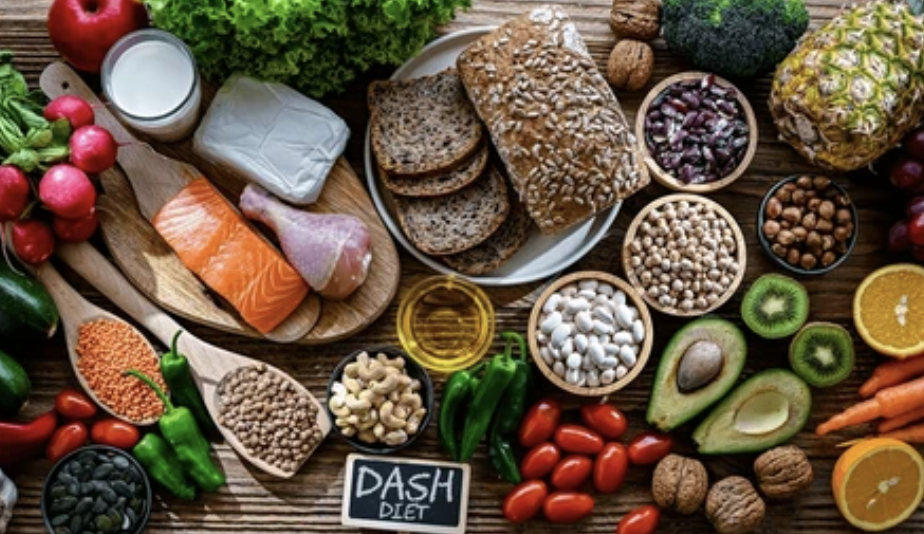
The DASH diet has been recommended by cardiologists and primary care physicians for years with the quiet consistency of advice that works but somehow never generates the cultural excitement of the latest elimination diet or celebrity-endorsed eating protocol. It does not have a dramatic origin story. Nobody lost 40 pounds on it in 30 days and posted a transformation video. It is simply the most clinically validated dietary approach for managing high blood pressure available to adults who would prefer to reach for their fork before their pharmacy bag.
New clinical research examining the blood pressure outcomes of DASH diet adherence across a large adult cohort has confirmed five specific mechanisms through which this eating pattern reduces hypertension, producing findings that are prompting updated clinical guidance and a renewed push to make dietary intervention the first conversation in high blood pressure management rather than the afterthought that follows the prescription. Before exploring those five mechanisms, it helps to understand what the DASH diet actually requires, because the gap between what people assume it is and what it actually involves is surprisingly wide.
What the DASH diet actually asks you to do
DASH stands for Dietary Approaches to Stop Hypertension, and its structure is more practical than most dietary frameworks. It emphasizes fruits, vegetables, whole grains, lean proteins, and low-fat dairy while limiting sodium, saturated fat, added sugar, and red meat. It does not eliminate entire food groups, does not require specialized products, and does not demand calorie counting as a primary activity. What it requires is a genuine shift in the proportion of the plate occupied by plants and whole foods relative to processed and high-sodium alternatives. For most adults eating a typical Western diet, that shift is meaningful but achievable without the lifestyle disruption that more restrictive approaches demand.
DASH diet mechanism one: sodium reduction below the threshold that matters
The DASH diet’s sodium restriction component, which targets no more than 1,500 milligrams daily in its most therapeutic form, addresses the most direct dietary driver of elevated blood pressure. Sodium increases blood volume by drawing water into the bloodstream, which elevates the pressure the cardiovascular system must generate to circulate that volume. Reducing sodium intake below the critical threshold produces blood pressure reductions of four to eleven points in systolic pressure in adults with confirmed hypertension, a magnitude that is clinically meaningful and, in Stage 1 hypertension, potentially sufficient to defer medication entirely.
DASH diet mechanism two: potassium loading counteracting sodium effects
The DASH diet’s emphasis on fruits, vegetables, and legumes delivers high dietary potassium, which counteracts sodium’s blood pressure-elevating effects through a direct physiological mechanism. Potassium promotes sodium excretion through the kidneys and relaxes blood vessel walls, producing vasodilation that reduces vascular resistance. Research confirms that increasing dietary potassium through the food sources the DASH diet emphasizes produces blood pressure reductions comparable to taking a low-dose diuretic medication, without the side effect profile that medication carries.
DASH diet mechanism three: magnesium delivery supporting vascular relaxation
The magnesium content of the DASH diet, delivered through nuts, seeds, legumes, and whole grains, supports vascular smooth muscle relaxation in ways that directly reduce arterial resistance. Magnesium deficiency is documented in a majority of adults with hypertension, and the DASH diet’s natural magnesium delivery addresses this deficiency through food rather than supplementation, with absorption rates that research consistently finds superior to most magnesium supplement forms available on pharmacy shelves.
DASH diet mechanism four: reducing dietary saturated fat and arterial stiffness
The DASH diet’s limitation of saturated fat, achieved through reduced red meat and full-fat dairy consumption, reduces arterial stiffness over time by moderating the inflammatory and lipid-driven processes that compromise arterial wall flexibility. Arterial stiffness is an independent driver of systolic hypertension, and its reduction through sustained dietary modification produces blood pressure improvements that develop gradually over months but persist and strengthen with continued adherence. This is the mechanism that makes the DASH diet a long-term cardiovascular investment rather than a short-term fix.
DASH diet mechanism five: weight management reducing cardiac output demand
The caloric structure of the DASH diet, built around high-fiber, high-volume foods that produce satiety at lower caloric density, supports weight management that independently reduces blood pressure by lowering the cardiac output required to supply a smaller body mass. Each ten-pound reduction in body weight is associated with a blood pressure reduction of approximately five to seven millimeters of mercury in hypertensive adults. The DASH diet produces this benefit as a structural consequence of its food composition rather than through explicit caloric restriction, making the weight management effect sustainable in a way that deliberate restriction rarely is over the long term.
Why the DASH diet deserves more attention than it gets
The irony of the DASH diet is that its clinical credibility is inversely proportional to its cultural profile. It has decades of rigorous research support, consistent endorsement from every major cardiology and hypertension organization, and a practical structure that most adults can implement without professional supervision. What it lacks is novelty, controversy, and the kind of dramatic transformation promise that drives dietary trend cycles. For adults managing high blood pressure, none of those missing features matter. What matters is that it works, reliably, and the research has been saying so for years.